
$50 million new gift to children’s hospital from mega-philanthropist Tom Golisano
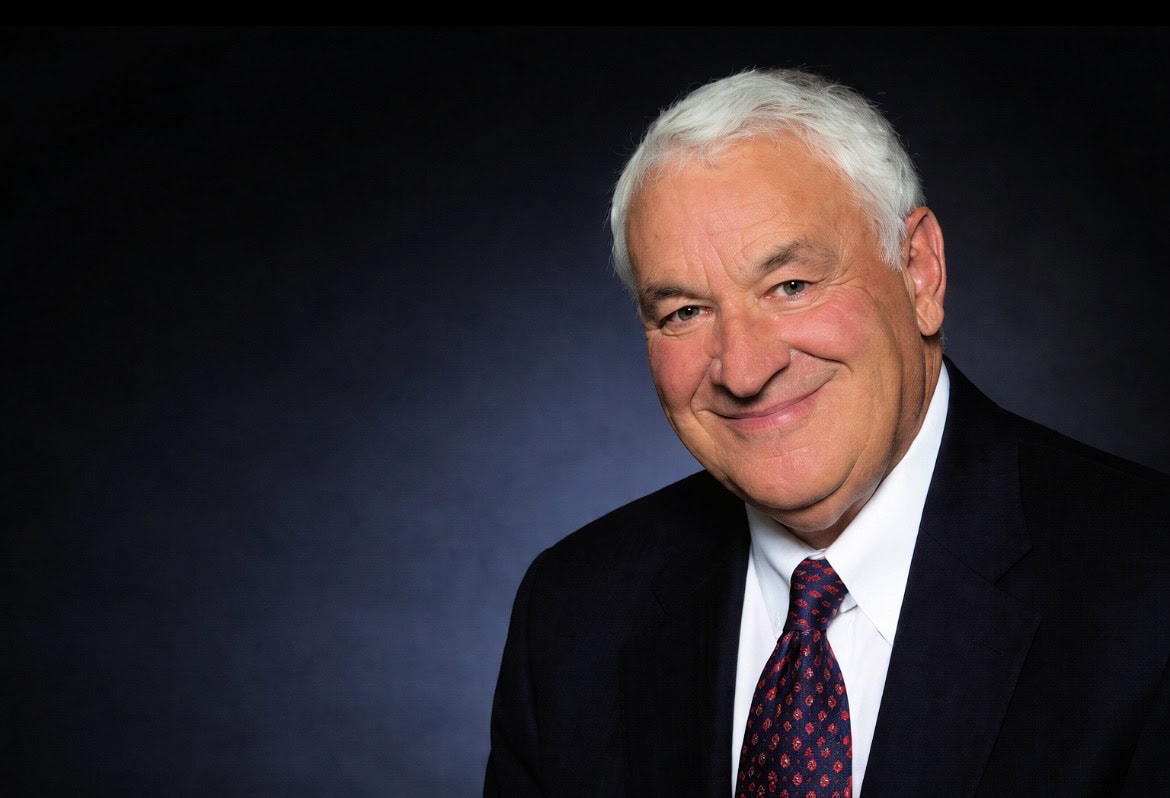
Akron Children’s Hospital is marking a historic milestone after announcing a $50 million gift from entrepreneur, philanthropist, and child health advocate Tom Golisano, the largest single donation in the health system’s history and a commitment leaders describe as nothing short of transformational for pediatric care across Ohio.
The unrestricted gift will not only reshape services on the ground for children and families in northeast and southeast Ohio, but it will also permanently link the Akron institution to Golisano’s rapidly expanding national pediatric philanthropy effort through both a campus renaming and its formal entry into the Golisano Children’s Alliance.
Hospital officials announced that, in recognition of the magnitude and anticipated long-term impact of the donation, the system will rename its primary Akron campus the Akron Children’s Golisano Campus. This symbolic change underscores how deeply the funds are expected to influence clinical growth, access, and innovation over the coming decade.
The money arrives as a rare unrestricted commitment, giving Akron Children’s leadership broad latitude to deploy the capital where it can do the greatest good, and executives have already outlined a set of priorities that span geographic expansion, specialty care, behavioral health, and front-line nursing and patient engagement initiatives.
According to the hospital, a significant share of the investment will go toward developing and strengtheningclinical services in underserved communities across northeast and southeast Ohio, with the goal of bringing more coordinated pediatric care closer to families who currently face long drives, long wait times or fragmented specialty access.
Within the hospital’s own walls, the gift is expected to accelerate the expansion of two of Akron Children’s most complex and resource-intensive service lines: congenital heart care and pediatric cancer care for children, teenagers, and young adults.
Leaders say added resources will support recruitment of subspecialist physicians, investments in advanced technology, and more comprehensive support services for patients and families, with an eye toward reducing the need for families to leave the region to obtain cutting-edge cardiac or oncology treatment.
At the same time, Akron Children’s plans to apply part of the funding to behavioral health, aiming to improve access “throughout the continuum of care,” which could include bolstering outpatient programs, crisis services, and integrated behavioral health support embedded in primary and specialty clinics.
Executives emphasize that demand for pediatric behavioral health remains high across the state, and targeted investments from this gift are intended to help close gaps that have widened in recent years.
The hospital also indicated that the new capital will underwrite “innovative programs that enhance patient engagement and nursing excellence,” language that suggests a focus on both the experience of care and the professionals who deliver it.
Such efforts could encompass new models of bedside care, expanded training and career development programs for nurses, and the use of digital tools to better connect families with their care teams before, during and after hospital visits.
Chris Gessner, president and chief executive officer of Akron Children’s, framed the gift as a pivotal moment in the institution’s evolution, saying it will help the system deliver on its pledge “to be the most trusted, inclusive, and accessible pediatric health system in the communities we serve” and to bring “highly coordinated, world-class pediatric healthcare as close to our patients’ homes as possible.”
He also noted that Golisano’s support of Akron adds to a growing pattern of large-scale investments in children’s hospitals around the country that share a similar vision for regional access and collaboration.
For Golisano, whose name is already prominent in pediatric circles from New York and Florida to Arkansas and Kentucky, the Akron gift is part of a broader strategy to knit together a network of children’s hospitals that exchange expertise and jointly push for better outcomes in child health.
Golisano is best known in the business world as the founder of Paychex, Inc., which has grown into the nation’s largest human resources and payroll provider for small to medium-sized businesses, and in philanthropic circles as a donor whose commitments to hospitals, universities, and community organizations now exceed $1 billion.
In 1985, he created the Golisano Foundation with a mission to improve the lives of people with intellectual and developmental disabilities, and in recent years, he has increasingly focused on scaling up pediatric health infrastructure through sizable gifts to children’s hospitals across multiple states.
His philanthropy has included repeated $50 million commitments to children’s hospitals in Kentucky, Arkansas, Maryland, and other markets, most of which have been paired with participation in his namesake alliance.
By joining the Golisano Children’s Alliance, Akron Children’s becomes part of a national network of children’s hospitals being built, linked not just by name recognition but by shared priorities around access, innovation, and compassionate care delivered close to home.
The alliance launched in 2025 with an initial group of hospitals across several states and has grown through successive rounds of gifts, reaching 12 members by late 2025. It has now added Akron as one of its latest partners, with a longer-term ambition to reach as many as 40 hospitals nationwide.
In remarks about the Akron commitment, Golisano praised the hospital’s emphasis on meeting families where they are and expanding services in underserved areas, calling Akron Children’s “an important addition” to the alliance and saying he is “proud to support its vision for growth, collaboration, and lasting impact.”
The announcement comes at a time of heightened focus on children’s health in Ohio, where pediatric systems have been investing heavily in new facilities, outpatient hubs, and telehealth programs to keep up with rising demand and evolving patient needs.
Akron Children’s already serves families across a wide swath of the state through hospitals, regional health centers, and primary care offices, and officials say the infusion of unrestricted capital will help them move faster on projects that might otherwise have unfolded gradually over many years.
While specific construction or program timelines haven’t been publicly detailed, the campus renaming, alliance membership, and strategic investment suggest the hospital expects the Golisano gift to shape its own trajectory and the broader landscape of pediatric care in Ohio and beyond.