$30 million latest gift: how David and Molly Pyott turn US philanthropy into global leadership capital
The story of London Business School’s latest “transformational” gift really begins in the United States: with a former California pharma CEO and a Colorado‑based foundation who have been quietly reshaping American disability services and global eye health long before they put their names on a building in Regent’s Park.
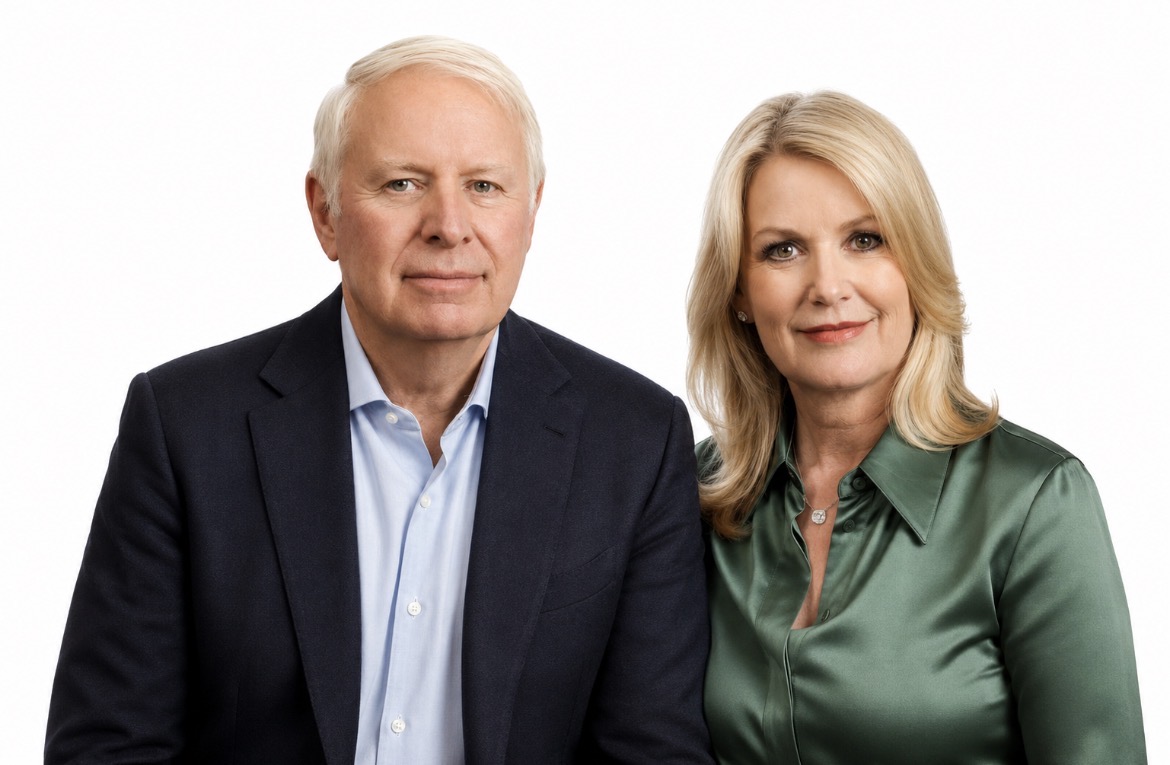
Their new commitment—more than $30 million from David and Molly Pyott and their US‑based foundation—extends a distinctly American model of couple‑driven philanthropy from Santa Ana and New York to the heart of one of Europe’s leading business schools.
In Southern California, their impact is literally built into the landscape. Several years ago, the Pyotts made a gift of about $1.7 million to Easterseals Southern California to pay off the mortgage and rebuild its Santa Ana campus as a dedicated hub for adults with developmental and physical disabilities.
The result, now known as the Pyott Center, is a bright, accessible, purpose‑built facility that serves roughly 200 adults each week—an American community center whose design quietly encodes the couple’s belief that people with disabilities deserve permanence, not pilot projects, and spaces that feel like they were made for them, not retrofitted as an afterthought.
Their philanthropy in eye health follows the same US‑anchored, globally oriented pattern. Working through New York–based Orbis International and a US‑based ophthalmology foundation, the couple have committed several million dollars over multiple years to train ophthalmologists, strengthen eye‑care systems, and prevent avoidable blindness in lower‑ and middle‑income countries.
The mechanics—governance, program design, accountability—are rooted in American medical and nonprofit institutions, but the benefits extend to clinics and hospitals in places like Zambia, where trainees learn in programs that exist largely because the Pyotts decided that specialized training shouldn’t be a privilege of wealthy countries.
Those choices are deeply shaped by who they are as a couple. David’s professional life was forged in the American corporate arena: as chief executive of Allergan in Irvine, he guided the company through a period of rapid growth and a defining $70 billion transaction, then parlayed that experience into board roles at US biopharma companies and a trusteeship at Caltech.
Molly’s vantage point has been different but complementary, grounded in the US nonprofit sector as chairwoman of Easterseals Southern California and as a hands‑on partner in structuring and stewarding major grants. Where he brings a strategist’s view of markets and governance, she brings a practitioner’s sense of how money moves—or fails to move—the needle for families and frontline staff.
Their foundation is the formal expression of that partnership. Based in the United States, it concentrates on a small set of priorities—disability services, youth employment and opportunity, ophthalmology training, and the performing arts—rather than trying to be everywhere at once.
It is lean, relationship‑driven, and willing to make big, targeted bets: a $1.7 million campus transformation in Santa Ana; multi‑million‑dollar commitments for eye‑health training; and seven‑figure support for child‑ and youth‑focused programs run through American entities that operate globally. Beneath the numbers sits a shared philosophy: invest in people and infrastructure, not just projects, and stay long enough for the work to mature.
Seen in that light, their more-than-$30-million gift to London Business School is less a departure from their US work than a natural extension of it into business education. The couple are not simply renaming a building; they are underwriting physical capacity for executive education and, just as importantly, funding scholarships that will determine who actually gains access to that education over the next decade.
For David, whose own LBS degree opened doors into the global business world, this is a way of closing a circle—taking US‑generated wealth and using it to ensure that future leaders, including those who might never have imagined themselves in Regent’s Park, have a path in. For Molly, who has spent years widening opportunity for adults with disabilities and young people on the margins of the labor market, the scholarship component is what transforms a capital project into a mobility project.
What remains consistent, from Santa Ana to London, is the way they work as a couple. They gravitate toward institutions where they can be more than names on a donor wall, bring complementary lenses to the table, and insist that bricks and mortar be matched with human outcomes.
In the United States, that has meant a disability center that feels like a second home for its participants and a network of eye-health programs that literally change how people see the world. In London, it now means a business‑school building that will bear their names and, more importantly, in their own telling, a generation of students whose careers and choices will be shaped by the opportunities that the gift unlocks.