$250 million in philanthropic giving: Larry Gies still calls his own rise improbable—pouring resources into the people and places that made him who he is and letting everything else follow
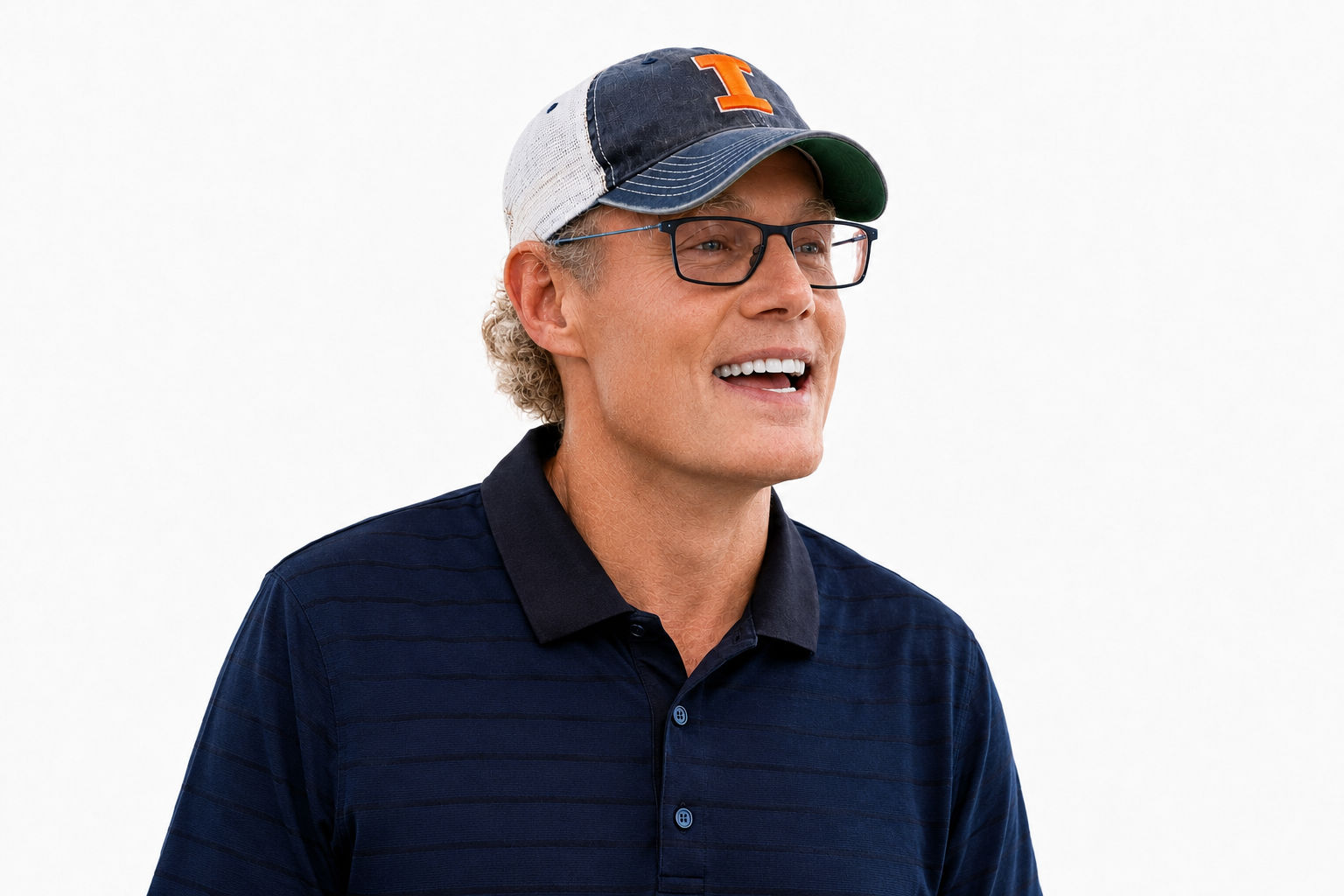
Larry Gies built his fortune the hard way, and he still talks about it that way.
Growing up in the farm town of Mendota, Illinois, he hadn’t set foot on a plane or seen much beyond a handful of states before he arrived at the University of Illinois and earned his accounting degree in 1988. He started his career the unglamorous way too, crunching numbers at what’s now Deloitte, before an apprenticeship under a veteran investor taught him how to spot broken companies and quietly fix them.
Then, at 27, he bet everything on that lesson.
He maxed out ten credit cards, borrowed fifty thousand dollars from a high school friend, and leaned on his wife, Beth, who worked three jobs to keep the family afloat while he launched what would become Madison Industries out of almost nothing.
More than three decades of patient, unflashy deal making later, that gamble has turned him into one of the wealthiest self-made industrialists in the country, with his fortune now estimated well into the billions after a blockbuster public offering for his HVAC and filtration business earlier this year, one of the largest industrial stock debuts in a generation.
A string of major sales since have only added to the momentum. But if you spend any time around Gies, the wealth almost feels like a footnote to the giving.
He and Beth have been quietly funding causes close to home for more than two decades, running a family foundation, established around 2004, that focuses on education, health, and human services, with Beth steering much of that work herself as its president.
Long before the big, headline-grabbing checks, the couple were already deeply involved in a tuition-free scholarship school for boys on Chicago’s West Side, a school so shaped by their support that its campus now carries the family name.
The foundation’s giving has never chased attention, typically distributing somewhere between half a million and a couple of million dollars a year, but it has added up over two decades to tens of millions of dollars flowing quietly into Chicago classrooms and clinics.
Still, it’s his bond with his alma mater that best tells the story of who Gies is.
Years ago, he and Beth handed the University of Illinois a $150 million gift so large it remains one of the biggest ever given to a business school anywhere, and the university renamed the college in their honor.
That single act landed the couple on the list of the year’s fifty most generous donors in the country, their giving that year totaling roughly $177.5 million once smaller gifts were counted.
But the money behind the headline number didn’t go toward marble lobbies or vanity buildings.
It went into scholarships, new faculty, and online programs that opened the doors of a top business education to students who never could have afforded it otherwise.
Then came the gift that turned heads for a different reason entirely.
Gies handed the athletic department the largest single donation in its history, and in return, the university renamed its century-old football stadium after his family, not for glory, but as a tribute to his late father, an Army veteran.
“This gift is about honoring my father, a true patriot, and every brave soul who has worn or will wear the uniform to defend our country,” Gies said, and the sentiment behind it was unmistakably personal rather than performative. It’s a thread that runs through more of his giving than people realize.
He’s also been recognized with the Semper Fidelis Award from the Marine Corps Scholarship Foundation for helping fund scholarships for the children of Marines and Navy Corpsmen, a quieter honor that says as much about his priorities as any stadium nameplate.
Add it all up, the business school gift, the stadium gift, and two decades of steady foundation grants, and Gies has now given well over a quarter-billion dollars back to the places and causes that shaped him, making him the single largest donor in his university’s history.
There’s no fully disclosed lifetime total sitting in a public filing somewhere; a man who built an empire out of private, unglamorous companies has, fittingly, kept much of his generosity just as private.
But the documented picture alone, a quarter-billion dollars and counting, tells you where his loyalty lives.
For someone who still calls his own rise improbable, the giving has followed one consistent thread: pour resources into the people and places that made you who you are, and let everything else follow.