
$13 million gift from Tim and Holly Finchem aims to reimagine PGA Tour Charities
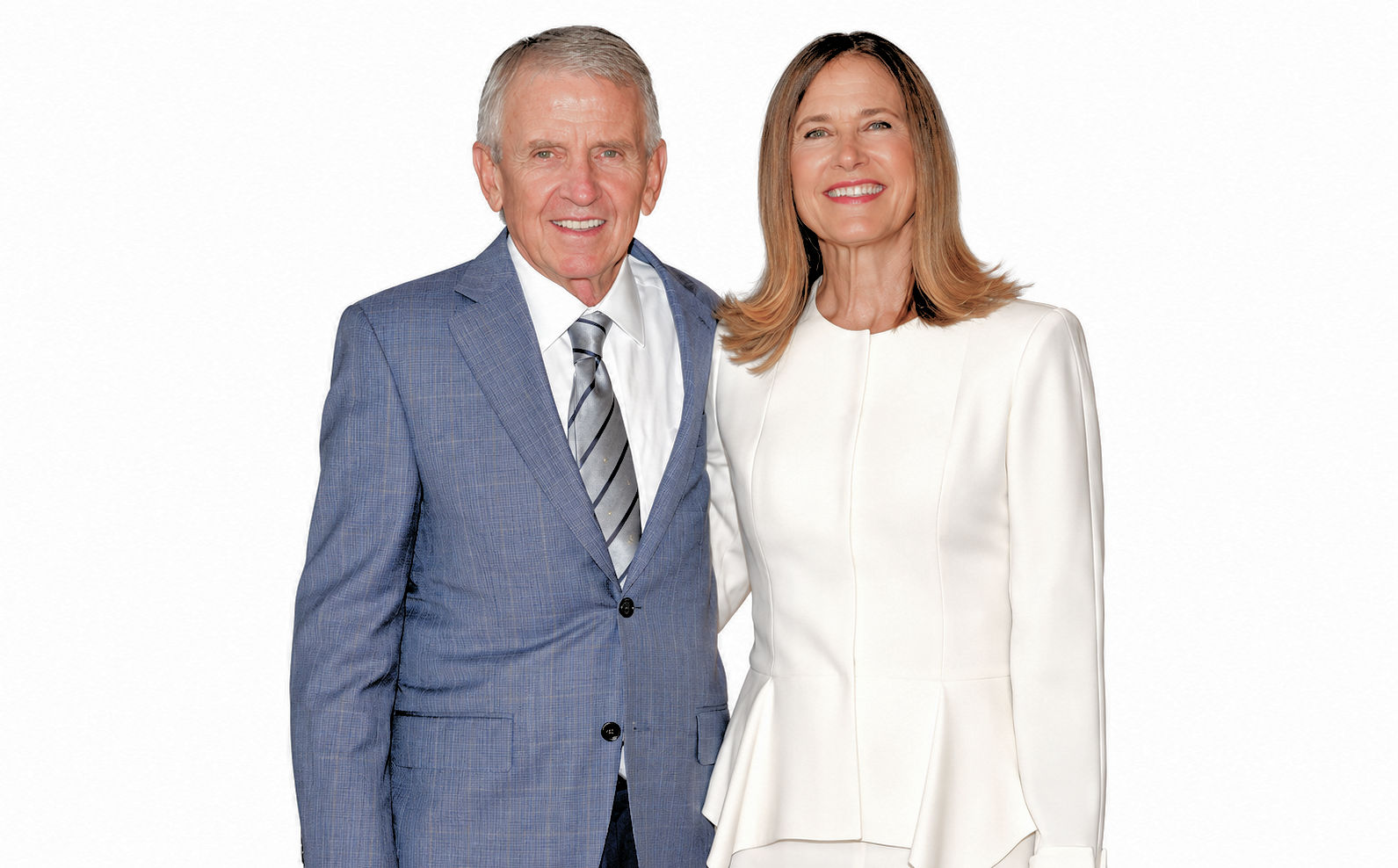
Tim and Holly Finchem have given $13 million to PGA Tour Charities, a gift the Tour is calling legacy-defining and catalytic as it rebuilds its philanthropic arm ahead of a new competitive era beginning in 2028.
The donation was announced on August 24 in Ponte Vedra Beach, just ahead of the season-ending Tour Championship at East Lake, and it lands at a moment when the Tour is trying to hold onto the soul of its charitable tradition even as its business model transforms around it.
For Tim Finchem, the gift is less a transaction than a homecoming.
He grew up in Illinois, studied at the University of Richmond and then law at the University of Virginia, and spent his early career moving between law, a stint in the Carter White House, and business strategy before joining the PGA Tour as legal counsel in the late 1980s.
He rose to become the Tour’s third commissioner in 1994, a post he held for 22 years. It was an era defined as much by the rise of Tiger Woods and soaring television contracts as by a quieter, steadier story: the growth of golf’s charitable engine.
Under Finchem, tournament-related giving crossed $1 billion in 2005, a milestone he personally championed, and doubled past $2 billion by 2014.
He helped build the World Golf Championships and the FedEx Cup, and in 1997 he was instrumental in founding First Tee, the youth program that now has some 150 chapters worldwide, recruiting former presidents George H.W. Bush and George W. Bush to serve as its honorary chairs.
He left the commissioner’s chair in 2016, was later inducted into the World Golf Hall of Fame, and received the Tour’s Lifetime Achievement Award.
Holly Finchem, his wife of 40 years, has stood alongside that career and, in many ways, has become its voice at this later stage. Her statement accompanying the gift reads less like a press release than a love letter to a community the couple has inhabited for decades.
“The PGA Tour family, its players, fans, and communities have meant so much to us for so long, and we feel a connection to the golf world that endures to this day,” she said.
“This donation to PGA Tour Charities, as it is reimagined for future generations of impact, is more than a capstone on Tim’s unwavering commitment to charity. It is a celebration of our belief in this great game and the PGA Tour. We can’t wait to see all the good this gift will inspire through the organization Tim and I love so much.”
That sense of trust, rather than obligation, seems to be what set this gift apart.
By several accounts, the Tour’s plan to overhaul its philanthropic strategy was already underway when the Finchems came forward, unprompted, to be part of it. PGA Tour CEO Brian Rolapp met with Holly personally to walk her through the vision for the reimagined PGA Tour Charities and reportedly told her simply, “This is an incredible thing that you’re doing, and we will not let you down.”
Laura Neal, who now leads the Tour’s philanthropic strategy and began her career working alongside Finchem decades ago, remembers charity being central to nearly everything they built together back then.
She has called the Finchems’ decision to step forward now “amazing”—a vote of confidence, she says, not just in the Tour’s history but in where it’s headed.
That history is considerable.
Since 1933, tournaments across the PGA Tour, PGA Tour Champions, and Korn Ferry Tour have funneled more than $4.4 billion into local communities, almost entirely through a quiet, decentralized model in which tournaments donate their net proceeds to nearby charities.
PGA Tour Charities, the 501(c)(3) arm receiving the Finchems’ gift, is turning 40 this year, and the Tour is using this moment—as it restructures around its new for-profit business arm—to consolidate that scattered generosity into something more visible and coordinated: national campaigns built around well-being, service, youth, and access and opportunity, with a full relaunch timed to the 2028 season.
A committee of players, led by Lucas Glover, chairman of the Player Advisory Council, will help shape the new platform. Rolapp, who takes over as the Tour’s fifth commissioner in January, called the Finchem gift a source of deep gratitude as the organization enters what he described as its next chapter.
But beneath the strategy memos and campaign themes is a simpler story: two people who spent a life in this sport, watched it grow from modest purses into a billion-dollar-plus charitable force, and chose, at this moment, to put their name and their money behind its next act.
It is the kind of gift that reads as much as a thank-you as a bet on the future—one built on 40 years of marriage, decades of stewardship, and a belief, as Holly put it, in “this great game.”