$10 million gift from the Clark family to advance first potential treatment for ultra-rare RVCL disease
The Clark family has done it again. In what feels like a real turning point for families battling one of the rarest and cruelest genetic diseases out there, the Clayco Foundation, born from the vision and heartbreak of Bob and Shawn Clark and their loved ones—has just committed $10 million to push a promising new treatment for RVCL closer to reality.
Announced on July 7, 2026, the gift will support pre-clinical safety trials at the University of Pennsylvania’s Perelman School of Medicine for a clever little molecule that could finally give patients and their families something they’ve been missing for years: genuine hope.
RVCL, or retinal vasculopathy with cerebral leukoencephalopathy, is the kind of disease that sneaks up on people in the prime of life. It’s caused by a glitch in the TREX1 gene that leads to abnormal proteins wreaking havoc on tiny blood vessels throughout the body. Eyes, brain, kidneys, liver—they all start to suffer.
People might first notice their vision fading or experience what feel like small strokes. Over time it leads to memory loss, organ failure, and far too often, an early goodbye.
Doctors say survival after serious symptoms kick in is usually just five to ten years, and because it’s so rare—only around 200 known cases worldwide—it’s been mostly overlooked by big pharma. For a long time, families were left feeling completely powerless.
That’s exactly why this news hits different for the Clarks. Bob Clark, who built Clayco from the ground up into one of the country’s biggest design-build firms, lost his wife, Ellen, to RVCL in 2010.
She was his childhood sweetheart, and the disease didn’t just take her—it had already touched previous generations in the family. Instead of turning away from the pain, Bob and his son Shawn decided to face it head-on.
They poured their energy, resources, and determination into the Clayco Foundation, making RVCL research one of its core missions. What started as a deeply personal fight has grown into something much bigger, funding labs, supporting patients, spreading awareness, and now helping move actual drug candidates forward.
The $10 million they’re giving to Penn will help test a smart new approach developed in partnership with chemists at the University of Michigan. It’s called a protein degrader. Instead of just trying to block the bad proteins, this molecule basically tags the faulty ones so the cell’s own cleanup crew can haul them away—while leaving the healthy proteins alone.
In mouse models with a human mutation, it stopped the damage and even saved lives. If it works in people, it could eventually become something as straightforward as a daily pill. Researchers like Dr. Jonathan Miner and Dr. Amanda Finck at Penn, who work directly with many of the known RVCL patients, are leading the charge. This funding gets them over a major hurdle that rare-disease projects often can’t clear on their own.
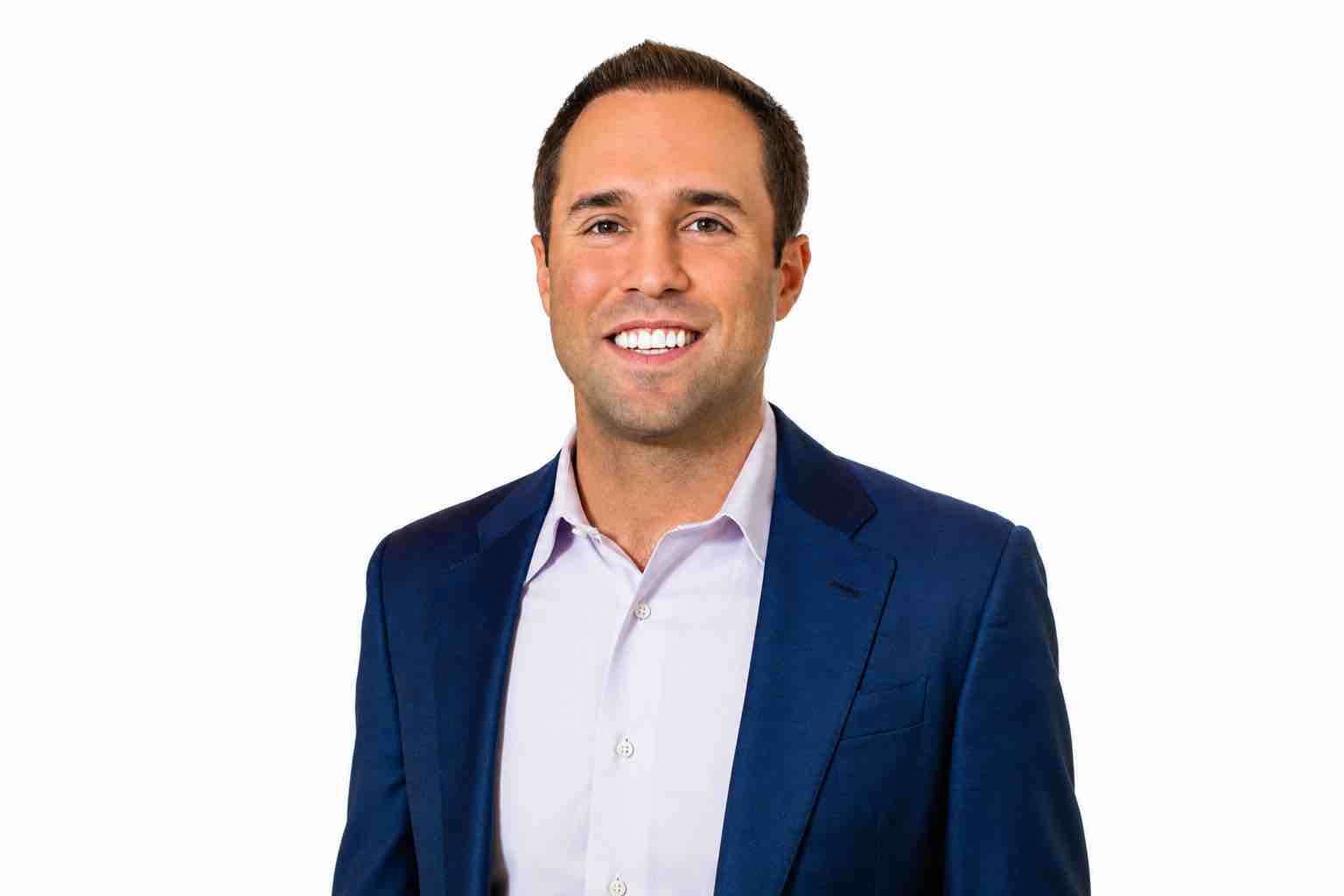
Shawn Clark, who serves as chairman of the foundation and CEO of CRG, put it plainly: “I watched this disease take the people I love, and I made a decision that no other family should have to feel powerless against it. There is nobody else leading the effort to find a treatment or a cure for RVCL, so we are going to be the ones to do it.” You can hear the resolve in those words, the kind that comes from real loss, not just good intentions.
Over the years, the Clark family’s foundation, along with their annual Illumination gala in Chicago, has raised well over $12 million for this cause.
That money has already helped build research infrastructure, triple the number of identified patients, and support breakthroughs that once seemed impossible. Bob has talked about how private funding and stubborn family advocacy can open doors that traditional systems sometimes leave closed. This latest gift is proof of that. It’s not just writing a check—it’s continuing a promise the family made to Ellen and to every other person and family walking this same difficult road.
For the patients and researchers who’ve been grinding away in labs with limited resources, this kind of support changes everything. It means safety studies can move forward without delay, bringing the dream of human trials much closer. It also sends a powerful message: even the rarest diseases matter and determined families can move mountains when they refuse to accept the status quo.
The Clarks have always approached their philanthropy with the same grit Bob used to build his company—long-term thinking, real accountability, and a focus on results that actually help people. This isn’t a one-off donation; it’s part of a sustained, heartfelt effort that’s already shifting the landscape for RVCL. As the science advances at Penn and beyond, families affected by the disease have something they haven’t had in a long time: real momentum and the sense that they’re no longer fighting alone.
In the end, this story is about more than money or molecules. It’s about a family turning unimaginable loss into lasting hope, one determined step at a time. And right now, that hope feels closer than ever.