$10.8 million now, $83 million raised overall — how a homecoming win capped the charity golf classic’s best year yet for Iowa youth
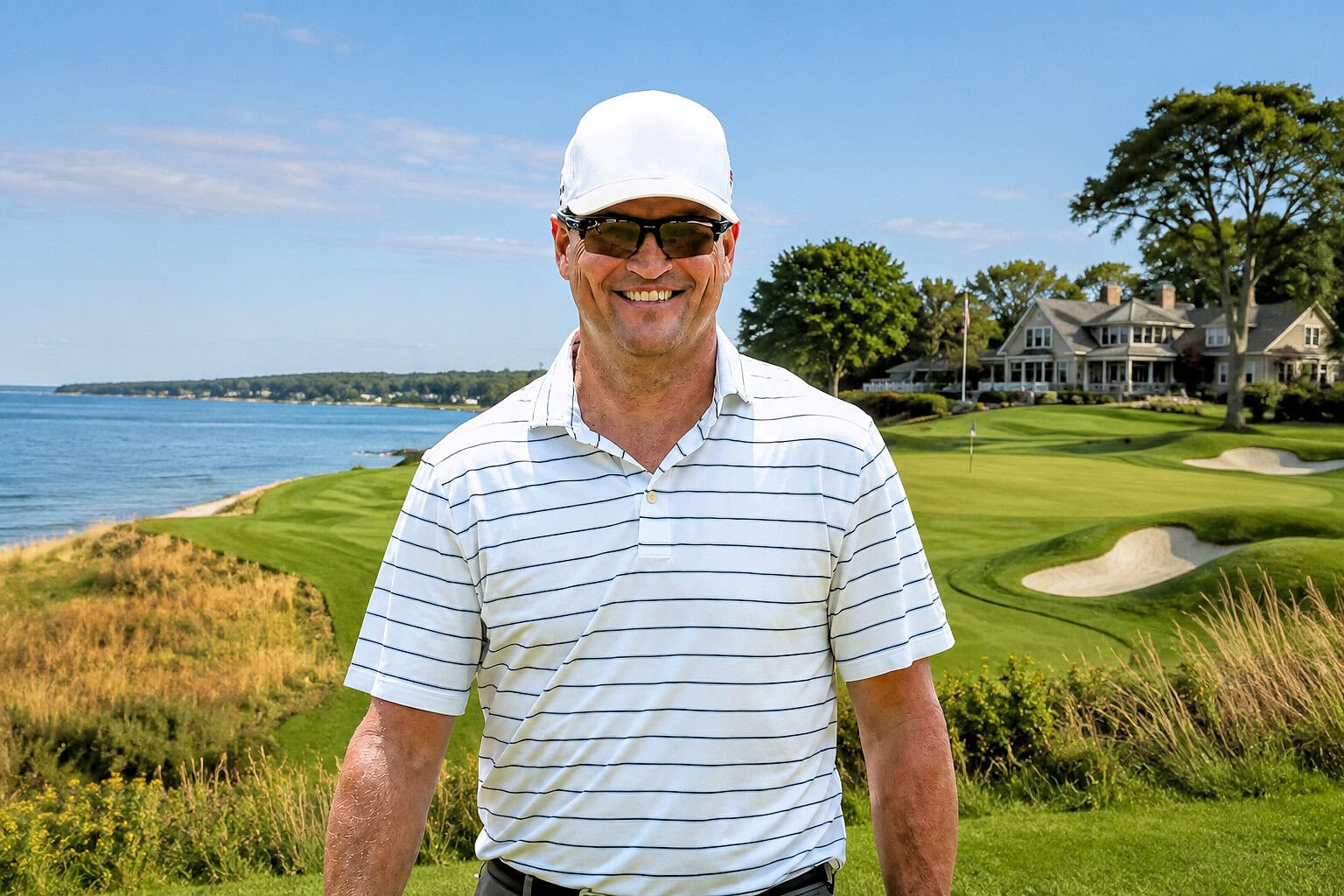
Zach Johnson closed out his round on the 18th at Wakonda Club with a birdie, four shots clear of the field, and for a second the crowd noise didn’t sound like golf-tournament applause at all — it sounded like a hometown crowd.
Which, in a sense, it was.
The Cedar Rapids kid turned Masters champion turned Ryder Cup captain had just turned 50 that February, old enough to finally tee it up on the Champions Tour, and he picked the one state that had watched him grow up to do something he’d never managed before: win the Principal Charity Classic.
A tidy bit of theater, sure.
But it turned out to be the opening scene of a much bigger number: the same tournament went on to generate a record $10.8 million for Iowa kids, its biggest haul in twenty years of trying, pushing total giving past $83 million since Principal Financial Group signed on as title sponsor.
There’s a reason Johnson’s win landed as more than a nice coincidence to the people who track this stuff closely.
He and his wife Kim have spent the past fifteen years quietly running their own operation out of Cedar Rapids — the Zach Johnson Foundation — funding a program called Kids on Course that now trails more than a thousand kids through nine schools, soon to be ten, with tutoring and mentoring and the kind of steady adult presence that keeps a shaky third-grade reader from becoming a lost eighth-grader.
This year, when the Charity Classic’s own youth program — the Legacy Project’s Career Ready Collective — opened a new Cedar Rapids site, Johnson’s foundation chipped in support behind the scenes, months before he ever picked up a club at Wakonda.
He’s said the whole point of Kids on Course was making sure “there might be another Masters champion or Super Bowl MVP in Cedar Rapids” who never gets the chance because nobody noticed.
So when he won, on his home turf, in the same summer the tournament broke its own record—it didn’t really need a metaphor.
It was one.
Behind that number are people whose names never make a leaderboard.
Ken McCullum has chaired the tournament’s board through most of its evolution from a regional stop to one of the most charitable events on the Champions Tour calendar, and when the $10.8 million figure came in, he didn’t talk about golf at all — he talked about what two decades of showing up looks like: “this tournament has created meaningful opportunities for youth, and we are proud to continue building on that legacy of impact.”
Jo Christine Miles, who chairs the tournament’s Charitable Purpose Committee and runs community relations for the Principal Foundation, is the person who actually walks the line between the golf course and the classroom, and she framed the record the way someone does who’s spent years watching donors and volunteers add up to something real: “a powerful example of the impact of purpose and community coming together.”
Tournament director Alex McCarty, who has to think about grandstands and parking as much as grant checks, put it more plainly still — the number is nice, but “the lasting impact of the Principal Charity Classic is measured by the opportunities it creates to empower future generations.”
Follow the actual dollars, and they end up in strange, specific places. At Blank Children’s Hospital, one of the tournament’s four Charity Partners and the recipient of more than $2.2 million since 2007, some of that money quietly funds a pediatric hearing aid fund — because, as it turns out, most insurance plans simply don’t cover hearing devices for infants, and a family finding that out for the first time is usually also holding a newborn who can’t hear them.
Last year the hospital’s audiology team saw nearly 2,000 children across roughly 5,000 appointments, ran 311 hearing aid evaluations, and leaned on more than $28,000 in compassion funds to close the gap insurance left open. Nobody at the tournament gala is thinking about that specific baby. But that’s where a slice of the $10.8 million actually lands.
Somewhere else entirely, it lands with teenagers instead of infants — inside the Legacy Project’s Career Ready Collective, a six-week, stipend-paying program that grew 45 percent this year to reach nearly 390 high schoolers spread across Des Moines, Cedar Rapids, Newton, Pella, Perry, and, new this year, St. Paul, Minnesota.
One student, talking about it afterward, didn’t mention a résumé line or a job offer — she talked about learning to actually introduce herself to strangers instead of staying “surface level,” and said it had already changed how she thinks about her own future.
It’s easy to scroll past another press release about another charity golf tournament and see only the round number.
But underneath the $10.8 million is a Masters champion who never stopped thinking about the kids down the street in Cedar Rapids, a hospital that quietly patches a $28,000 hole in a family’s insurance so a toddler can hear, and a teenager somewhere between Iowa and Minnesota who spent six Fridays learning she could talk to anyone.
That’s still the actual story—the golf is just how they keep telling it.