
$10.5 million in new SCI research grants announced by Ray Neilsen
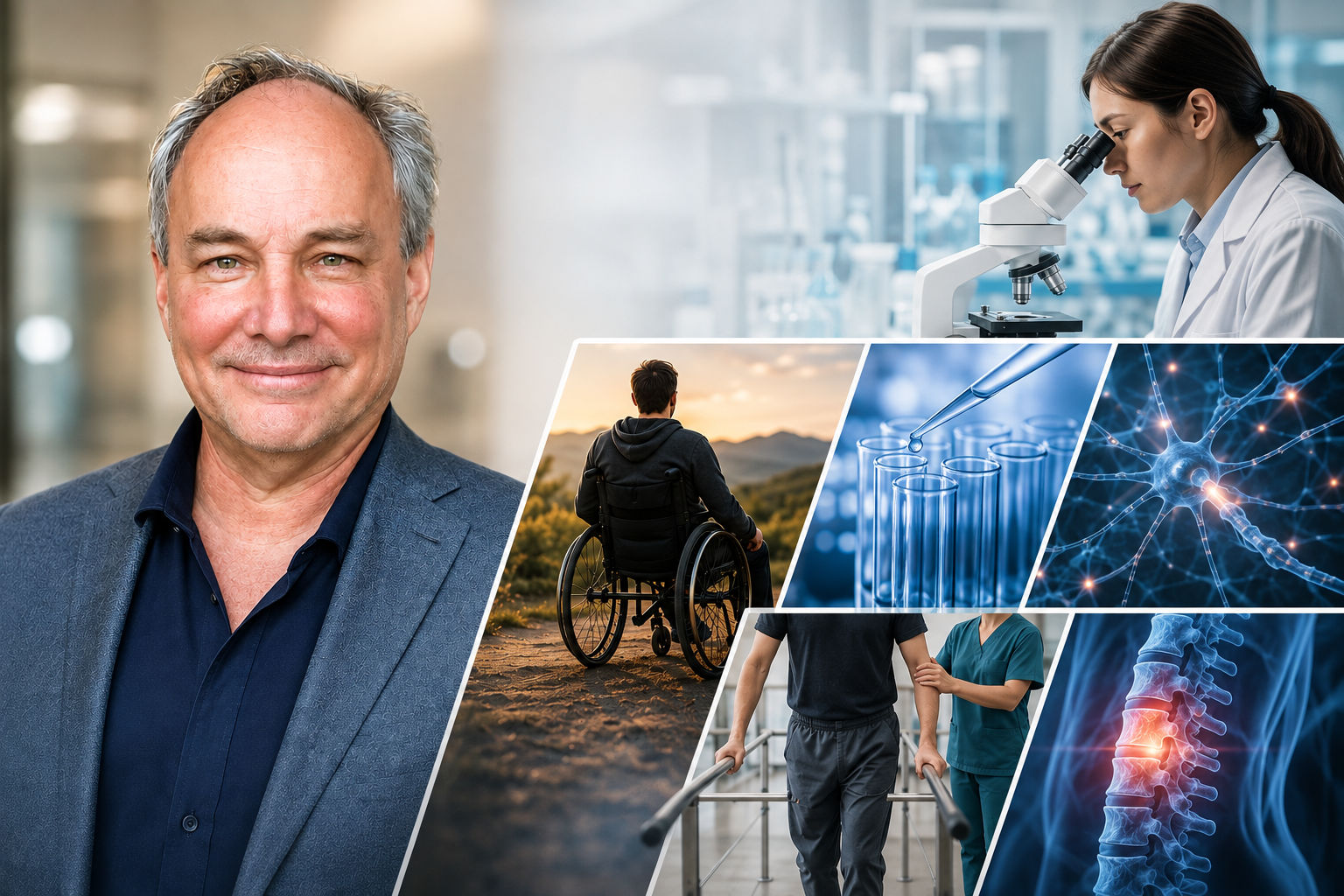
The Craig H. Neilsen Foundation is pleased to announce $10.5 million in new grant funding through its Spinal Cord Injury Research on the Translational Spectrum portfolio, known as SCIRTS.
This year, 29 grants were selected for funding, including support to train four Postdoctoral Fellows to help ensure early career scientists are entering the world of SCI. The selected proposals also reflect the Foundation’s continued commitment to moving discoveries from the laboratory toward practical benefits for people living with spinal cord injury.
The SCIRTS portfolio supports research across many areas of SCI. Studies focus on understanding what happens in the body after injury to enable testing of possible treatments such as medicines, cell-based approaches, devices including electrical stimulation, rehabilitation strategies, or combinations of these therapies. Across the portfolio, the goal is to support work that can help improve health, independence, and quality of life after SCI.
The newly funded studies will explore a wide range of questions that matter to people living with SCI. Several focus on inflammation after injury, which is part of the body’s immune response. Inflammation can help protect the body, but when it continues on for too long or happens at the wrong time, it can contribute to additional damage within the spinal cord.
Some grantee partners will study ways to reduce harmful immune responses, while others will look at how improving blood flow and circulation in the injured spinal cord may help protect tissue and support recovery.
Another group of studies focuses on bowel, bladder, and sexual function which is often noted as a top priority for people living with SCI.
These areas are deeply connected to health, dignity, daily routines, and quality of life, yet they have often received less attention from the research community as compared to movement-related outcomes. In several new research programs, our grantee partners will study different ways to improve bowel and bladder function, detect and prevent urinary tract infections, and better understand sexual function after SCI.
Breathing and respiratory health also continue to be important areas of focus. Breathing problems can be a major source of health complications after SCI, especially for people whose injuries affect the chest muscles needed to breathe or cough effectively.
Some newly funded studies will look at why certain people respond better than others to low-oxygen breathing therapy, while others will study stimulation approaches that may help strengthen coughing or support diaphragm function.
These studies are part of a larger question in SCI research—why does a treatment help some people more than others?
Researchers are increasingly looking for biomarkers, or measurable signs in the body, that may help predict whether a treatment is likely to work for a specific person.
A biomarker might be found in blood, genes, nervous system activity, or another biological signal. A better understanding of these differences could help future therapies become more personalized and effective.
Other newly funded work will explore approaches such as home-based rehabilitation and new ways to measure whether a treatment is acceptable as well as beneficial.
In addition, more teams are also involving people living with SCI when designing their studies or choosing what outcomes to measure.
These efforts reflect the importance of asking not only whether a treatment works, but whether it is practical in addressing priorities that matter in daily life.
As this work moves forward, each study will contribute to a deeper understanding of SCI and the complex questions that continue to shape research and treatment.
The Neilsen Foundation is proud to support the 2026 SCIRTS grantee partners as they begin research rooted in the experiences and priorities of people living with SCI.
Ray Neilsen was appointed Chairman of the Board of the Craig H. Neilsen Foundation in 2006. During his tenure, the Foundation has grown to North America’s largest private funder in the world of spinal cord injury. The Foundation supports scientific research, community programming as well as education for individuals living with spinal cord injury. Ray is actively involved in setting the Foundation’s long-range vision, overseeing the investment of the Foundation’s assets and determining the strategic direction.
In addition to his work with the Foundation, Ray is President of Neilsen and Company, a real estate development company responsible for a number of major commercial, residential, educational and municipal buildings. Originally founded and operated by his grandfather in the 1960s and led by his dad for the next three decades, Ray continues the Neilsen family legacy of creating exceptional real estate projects.
Ray’s professional career began as a busboy at Ameristar Casinos, Inc., the company founded by Craig H. Neilsen.
His father insisted Ray immerse himself and learn all levels of the organization, so he worked through the ranks and was with the company for 20 years. Ultimately, Ray served as Chairman of the Board of Directors.
Ray earned a Bachelor of Science in history from the College of Idaho and a Master of Business Administration from the Monterey Institute of International Studies.