$50 million new challenge gift to zoo from Diane Smith and family continues the extraordinary philanthropic legacy of FedEx founder Fred Smith
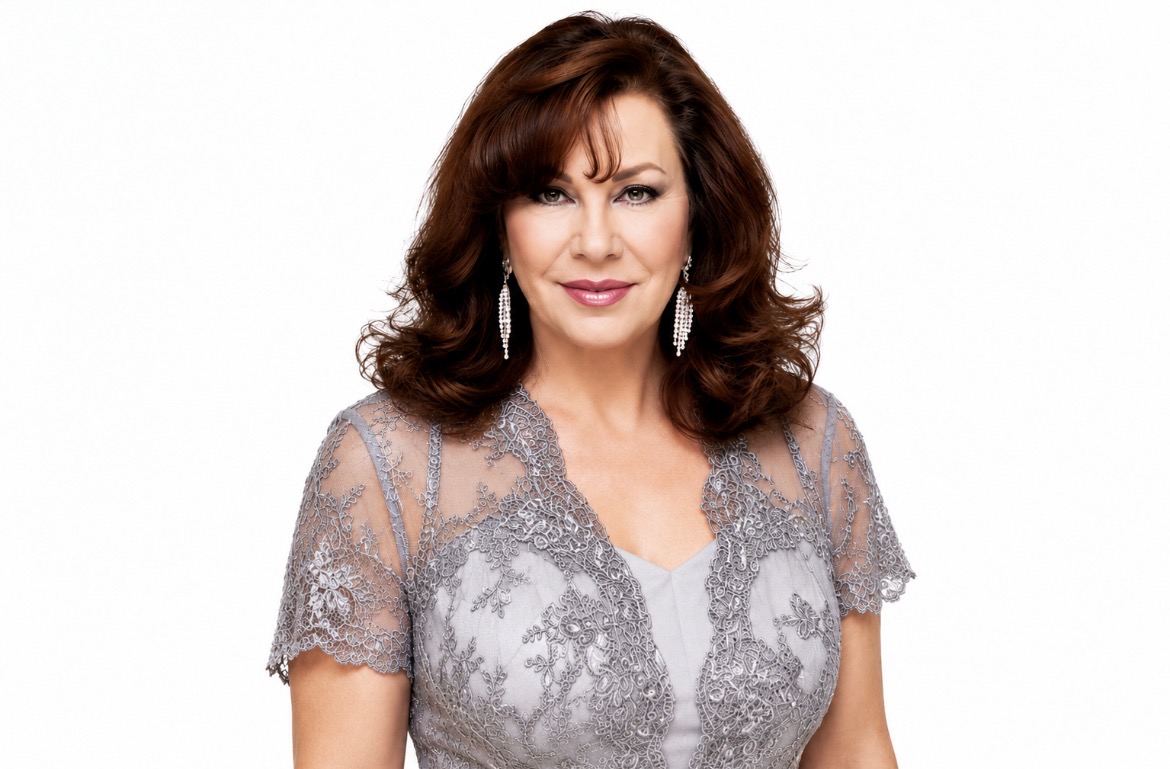
There is a particular kind of Memphis magic that seems to follow the name Smith, and this week it landed, trunk first, at the city’s beloved zoo.
The family behind FedEx has pledged another $50 million challenge gift, this time to the Memphis Zoo’s ambitious elephant habitat, cementing what has become one of the most consistent and consequential philanthropic partnerships in the city’s modern history.
The gift carries the same structure that has become something of a Smith family signature: raise $50 million from the broader community, and the family will match it dollar for dollar, doubling the impact to $100 million.
It is the identical formula the Smiths used less than three years ago to break a stubborn stalemate between the NBA’s Memphis Grizzlies and the University of Memphis Tigers over stadium funding, a pledge that helped the city stretch $350 million in state dollars across simultaneous renovations of FedExForum and Simmons Bank Liberty Stadium.
That earlier stadium challenge is still playing out in real time — as of early July, Memphis Athletics had raised more than $42 million toward the $50 million match, inching ever closer to unlocking the family’s full commitment.
Leading this newest chapter is Diane Smith, widow of the late FedEx founder Fred Smith, who died in June 2025 at age 80 from natural causes, leaving behind an estimated $5.3 billion fortune. Fred’s death sent ripples of grief through Memphis, a city former Mayor Jim Strickland once called him “the most significant Memphian in history.”
A Yale-educated Marine Corps veteran of Vietnam who founded FedEx in 1971 after returning home, Smith built the company from a single overnight-delivery idea into a $60-billion global logistics giant, and he was famously candid about why he gave so much of the fortune it created back to his hometown. “If you have prospered in this country, it’s rather ungrateful not to contribute a significant portion back to the community,” he once said, describing it as part of “the great tradition of American philanthropy.”
That ethos clearly took root in the ten children Fred Smith raised across two marriages, several of whom have become visible stewards of the family’s civic and philanthropic footprint in their own right. His eldest son, Richard W. Smith, has spent two decades climbing the ranks at FedEx, from president and CEO of FedEx Express to his current post as chief operating officer of International and CEO of the airline division, and he was elected to FedEx’s board of directors just months after his father’s passing, a nod to what the company described as his role in carrying forward the legacy and values of the Smith family. Richard has also long been active in Memphis civic life, having chaired the Greater Memphis Chamber and served on the Memphis Zoo’s own board of directors.
Two of his sisters, Molly Smith and Rachel Smith O’Neal, followed a different path into film production, while their brother Arthur Smith built a career as an NFL coach, having served as head coach of the Atlanta Falcons and now as offensive coordinator for the Pittsburgh Steelers.
Another son, Cannon Smith, built a career in construction and entrepreneurship in Memphis, including launching his own vodka distillery, while daughter Samantha Smith Atkinson has worked in FedEx’s Washington government affairs office. The eldest of all ten children, photographer Windland Smith Rice, died in 2005 at just 35, and her memory lives on through an award given each year in her honor. Fred Smith is survived by his nine remaining children, plus 31 grandchildren and two great-grandchildren.
The zoo has held a special place in the family’s philanthropic story for two decades. Fred and Diane Smith’s $10 million gift years ago to build Teton Trek, the sprawling grizzly bear habitat, was at the time the largest single donation in the Memphis Zoo’s hundred-plus-year history, part of a broader $28 million campaign that also funded a new hippo exhibit.
Now the elephants are getting their turn. The new gift feeds into the zoo’s sweeping fifteen-to-twenty-year, $250 million master plan, whose first phase centers on transforming the aging Africa Veldt into a fourteen-acre savanna habitat built for elephants, rhinos, and giraffes to roam with dramatically more space than they have today.
The State of Tennessee has already kicked in $20 million toward the larger vision, and the zoo has quietly raised nearly $75 million overall — momentum the Smith family’s challenge is clearly designed to supercharge.
What makes the pattern so striking is its sheer breadth, and how deliberately it has been passed down as a family value rather than a single man’s legacy.
This is a family whose fingerprints are on nearly every civic institution Memphis holds dear — the Grizzlies’ arrival in 2001 when Fred Smith bought FedExForum’s naming rights, the FedEx Institute of Technology at the University of Memphis, the FedEx Neuroscience Institute and FedExFamilyHouse at Le Bonheur Children’s Hospital, the rescue of what is now the FedEx St. Jude Championship golf tournament, and tens of millions more funneled to causes spanning the National Civil Rights Museum, the Brooks Museum, the Marine Corps Scholarship Foundation, and the Church Health Center. Memphis even declared August 11, 2025 as Fred W. Smith Day in his honor, a rare civic tribute reflecting just how deeply the family’s giving is woven into the city’s identity.
Tally the numbers that have actually been made public, and the Smith family’s documented giving to Memphis and related institutions now tops $200 million: $10 million for Teton Trek at the zoo, $50 million for the University of Memphis stadium renovation in 2023, another $25 million in NIL support for Memphis Tigers athletes in 2024, a gift to the Marine Corps Scholarship Foundation valued at up to $65 million, and now this week’s $50 million elephant habitat challenge.
And that figure almost certainly understates the real total — Fred Smith was famously private about his giving, and the family never disclosed dollar amounts for major commitments to Le Bonheur Children’s Hospital, the National Civil Rights Museum, the Brooks Museum, the Church Health Center, or the FedEx Institute of Technology, several of which the family helped fund or found outright.
For Diane Smith, the zoo challenge reads as both continuity and quiet statement.
With Richard now carrying the family’s name onto FedEx’s board and into the executive suite, and with siblings scattered across film, coaching, entrepreneurship, and government affairs, the Smiths appear intent on proving that their late patriarch’s giving instincts were never his alone.
It signals that the philanthropic infrastructure Fred Smith built, one rooted in matching challenges that force communities to rally rather than simply write checks, will keep operating at full strength for a second generation.
It also reaffirms something Memphis civic leaders have said for years: that when the Smith family commits $50 million and dares everyone else to match it, the rest of the city tends to show up. Sports fans got their stadium.
Basketball fans got their arena.
Now, if the zoo’s supporters answer the call the way Tiger Nation and Grizzlies backers did before them, the city’s elephants will get a home worthy of the family that keeps saying yes to Memphis, one extraordinary gift at a time.