$1 billion philanthropic commitment from Dustin Moskovitz and Lifestyles Magazine/Meaningful Influence cover subject Cari Tuna’s Good Ventures to GiveWell’s global health programs in 2026
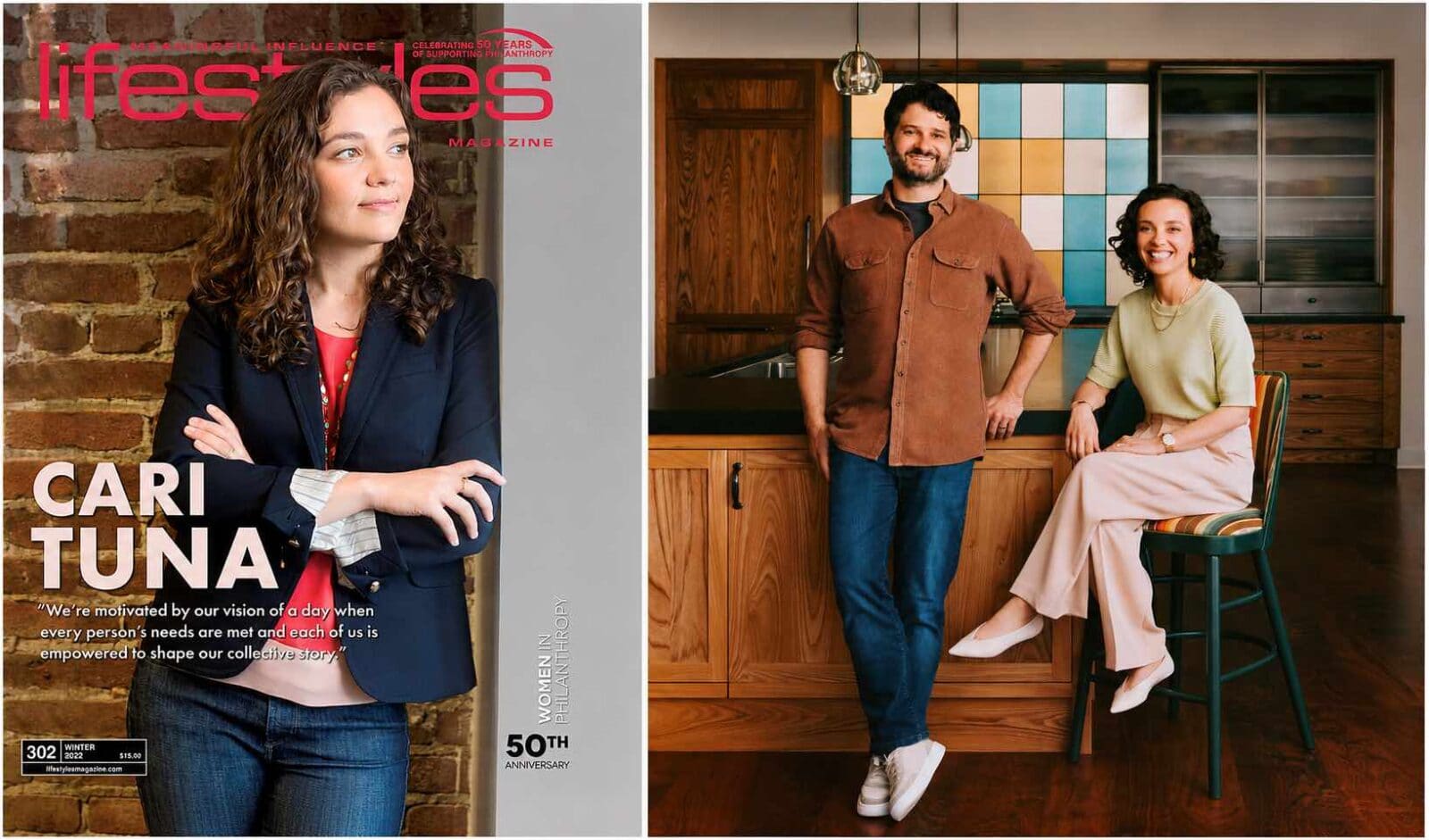
Lifestyles Magazine/Meaningful Influence cover subject Cari Tuna and Dustin Moskovitz just made one of the quieter, more consequential moves in recent philanthropy.
On July 23 their foundation, Good Ventures, together with Coefficient Giving (the research and grantmaking organization they help fund and guide), raised their 2026 commitment to GiveWell’s top global health programs from $175 million to a full $1 billion.
Dustin co-founded Facebook and later Asana.
Cari was a reporter at the Wall Street Journal.
They started Good Ventures in 2011 with a clear intention: give away most of their wealth while they are still alive, and do it carefully.
They do not run a traditional foundation with a large staff of their own. Instead they work closely with Coefficient Giving, where Alexander Berger serves as CEO and Otis Reid leads the global health work. Berger and Reid wrote the public note explaining the decision.
The increase is deliberate.
Tuna, Moskovitz, Berger, and Reid expect more philanthropic money to enter global health in the coming years.
Rather than wait, they chose to move a large sum now so the strongest programs can grow and reach more children while the opportunities are still highly cost-effective.
They see this as a way both to save lives today and to help the best organizations get ready for even larger support later.
The money will go to the kinds of programs GiveWell has long recommended: vaccination outreach in places with many unvaccinated children, iron fortification of everyday flour, and simple antibiotic distributions that have been shown in careful studies to reduce child deaths.
Earlier funding of this type is already credited with helping save more than 100,000 lives.
There was no press conference or flashy rollout.
Just a straightforward public note from the people closest to the decision.
In a field that often favors spectacle, Tuna, Moskovitz, Berger, and Reid chose clarity and speed instead.
In the donors’ own words:
“When we founded Good Ventures in 2011, we knew we wanted to give away the vast majority of our wealth. We’d met two years earlier on a blind date. Dustin had recently left Facebook to start Asana, and Cari was working as a reporter for the Wall Street Journal. Early in our relationship, we realized we shared a commitment to using our resources to help others as much as we could. The question was how.
We came to this work with a deep sense of how fortunate we’d been. We were driven by radical empathy, recognizing the inherent worth of all people and animals.
Cari took the lead at Good Ventures, approaching her learning like a reporting assignment. She studied the history of philanthropy and interviewed hundreds of people across health, science, education and more.
Most people advised us to focus on our passions. They meant well, but that advice didn’t get us very far. What we cared about most was learning how to leverage our giving to have the biggest impact we could, and we were open to any cause or way of working.
An early conversation with Holden Karnofsky of GiveWell was a turning point. He described how iodine deficiency, a leading cause of intellectual disability worldwide, is easily prevented by adding iodine to salt. Living in the United States, we’d always taken iodized salt for granted. But now we wondered: how many other problems like this were out there?
This question launched a project, now called Coefficient Giving, that’s dedicated to helping major donors find important, neglected and tractable giving opportunities.
With support from the Coefficient team, Good Ventures has distributed more than $5 billion to address immediate challenges like malaria and lead poisoning, and to prepare for emerging threats like deadly pandemics and increasingly powerful AI systems — work we began years before COVID-19 and ChatGPT brought these issues into the spotlight.
Fourteen years in, we’re far from having all the answers. We’re constantly grappling with uncertainty, making difficult judgement calls, updating our thinking, and learning from our mistakes.
When we started Good Ventures, measures of health, wealth and education were rising around the world, and violence, poverty and child mortality were declining. We still believe there are many reasons to be optimistic. But we’re also seeing more clearly that progress isn’t automatic — in many cases it’s slowing or even being reversed. Lasting change requires intention, effort and collaboration.
We’re encouraged by the many people we’ve met who are devoting their lives to building a more prosperous and compassionate world. When we married, we made a vow “to serve others joyfully,” and these remarkable individuals and teams inspire us to honor that commitment every day. Whatever challenges lie ahead, we’ll keep showing up with the same intention — to take the fullest possible advantage of the opportunity we have to help others — until we’ve moved the last dollar out the door.
With gratitude and determination,
Cari & Dustin
Co-founders, Good Ventures”