
Eight-figure collection of Anne and Arthur Goldstein: single largest gift to Zimmerli art museum
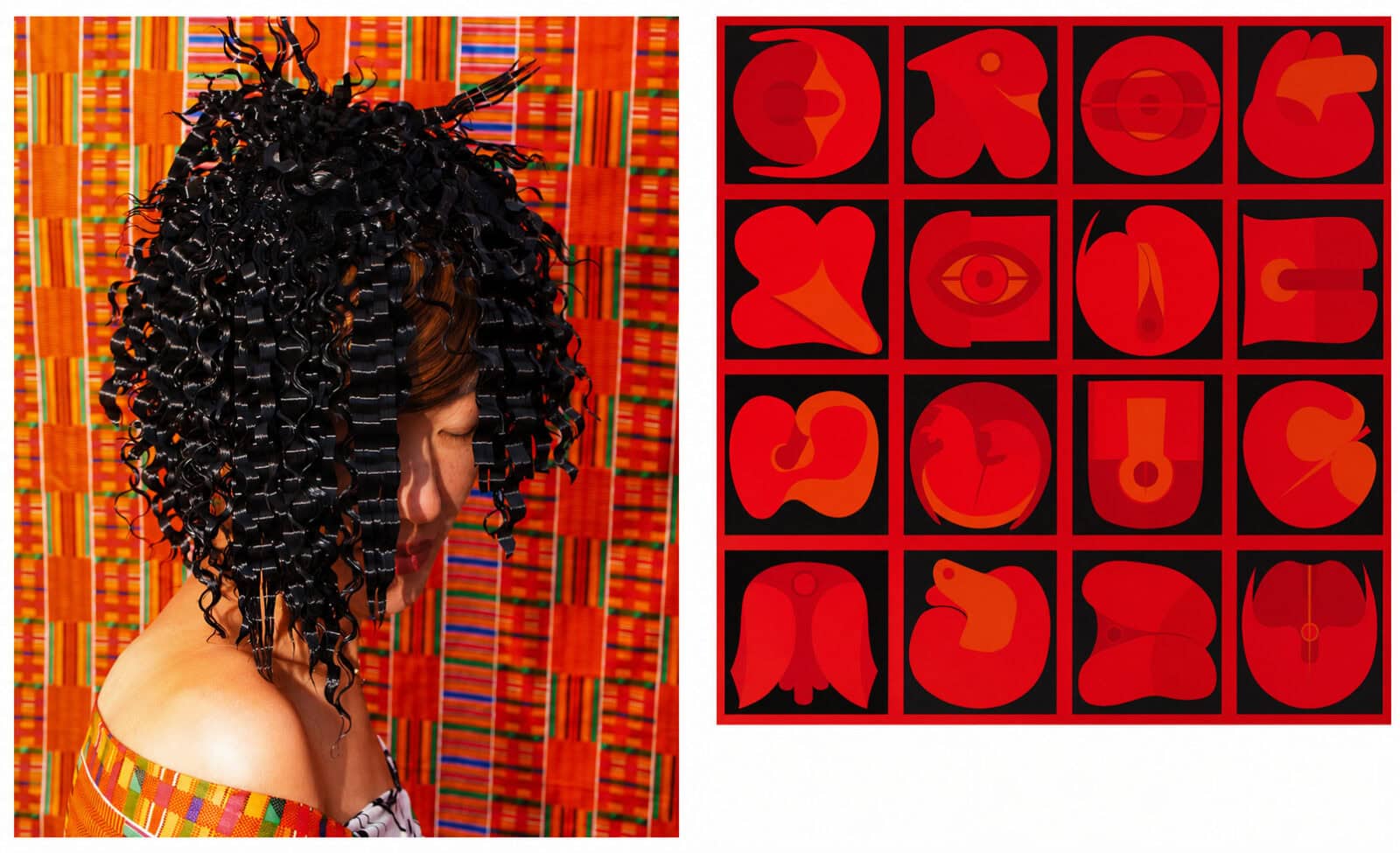
Anne and Arthur Goldstein have made a new, generous gift to the Zimmerli Art Museum at Rutgers University in New Jersey—more than 70 modern and contemporary artworks that will enrich the museum for years to come.
This donation feels like a natural extension of the couple’s deep, decades-long connection to the museum.
Their relationship started back in the late 1990s when Arthur first walked through the doors. Over time, it grew into something special: steady support, thoughtful gifts, and now this major contribution, which brings their total donations to the Zimmerli to more than 160 works.
The collection they’re sharing includes standout pieces by artists like Mark Bradford, Nicole Eisenman, Takeshi Kawashima, and many others.
One highlight is Bradford’s Miss China Silk from 2005, a striking photographic series that explores identity in powerful ways.
Another is Kawashima’s large, vibrant New York M-33 from 1966, a painting that blends Japanese traditions with American Pop and Minimalism. Arthur chose it specifically because it fills a meaningful gap in the museum’s already strong Japanese and Japanese American holdings.
There are also works by Hedda Sterne, Polly Apfelbaum, Tauba Auerbach, Juliana Huxtable, Troy Lamarr Chew II, and Elizabeth Murray—pieces that celebrate diverse voices, including artists of color, and women.
While no official dollar figure has been released, people familiar with the art market can make a reasonable guess.
Given the strength of these artists—Bradford’s works have sold for close to $12 million at auction, and the overall selection is impressive—the gift is likely worth several million to tens of millions of dollars.
But for Anne and Arthur, the real value isn’t just about numbers. It’s about making sure these pieces live on in a place where they can be seen, studied, and enjoyed by the public instead of staying tucked away in private hands.
Arthur put it beautifully: “Like many collectors, Anne and I have reached a point where we’re thinking about the future of the collection and where these works can have the greatest impact. We knew our collection would become part of the life of the museum and continue to be seen and appreciated by future generations. After so many years of sustained support, making our largest gift of art felt like the natural next step.”
That kind of thinking comes from a lifetime of collecting that started in the early 1990s. With backgrounds in law, the Goldsteins began buying art they loved—first works on paper and photography, then expanding into a wider range of contemporary pieces. They’ve shared their collection generously with other major museums too, including MoMA, the Whitney, San Francisco Museum of Modern Art, and the Art Institute of Chicago.
But the Zimmerli clearly holds a special place in their hearts.
Museum director Maura Reilly captured the warmth of their partnership when she said, “What makes Anne and Arthur such extraordinary partners is the trust they have placed in the museum.
Every gift has reflected their confidence in our ability to care for these works, share them with the public, and use them to inspire teaching and scholarship.”
Chief curator Jeremiah William McCarthy is already excited about the conversations this gift will spark. He pointed out how it lets the museum ask fresh questions about postwar abstraction, Andy Warhol’s legacy through a contemporary lens like Troy Lamarr Chew II’s work, and connections between artists like Juliana Huxtable and Cindy Sherman.
The new pieces will go on view in an exhibition called Mashup: New Acquisitions from the Zimmerli, opening in February 2027. It will pair them with recent gifts from the Alex Katz Foundation, creating a lively dialogue between different ways of looking at today’s art.
For anyone who follows the art world, this story feels uplifting. At a time when museums work hard to keep their collections vibrant and relevant, gifts like this one from Anne and Arthur Goldstein make all the difference. They show what thoughtful philanthropy looks like—quiet, consistent, and driven by a genuine love of art and a desire to share it.
The couple isn’t just handing over paintings and sculptures; they’re helping shape how future visitors and students understand American art and its many voices.
It’s the kind of generosity that reminds us why private collectors matter so much.
They don’t just buy art—they help keep it alive in public spaces where it can touch people’s lives for generations.
The Zimmerli, its community, and the broader art world are better for it. And knowing Anne and Arthur, this probably won’t be their last chapter of giving.