
$90 million latest Michael Bloomberg gift aims to turn high schools into skilled trades pipeline
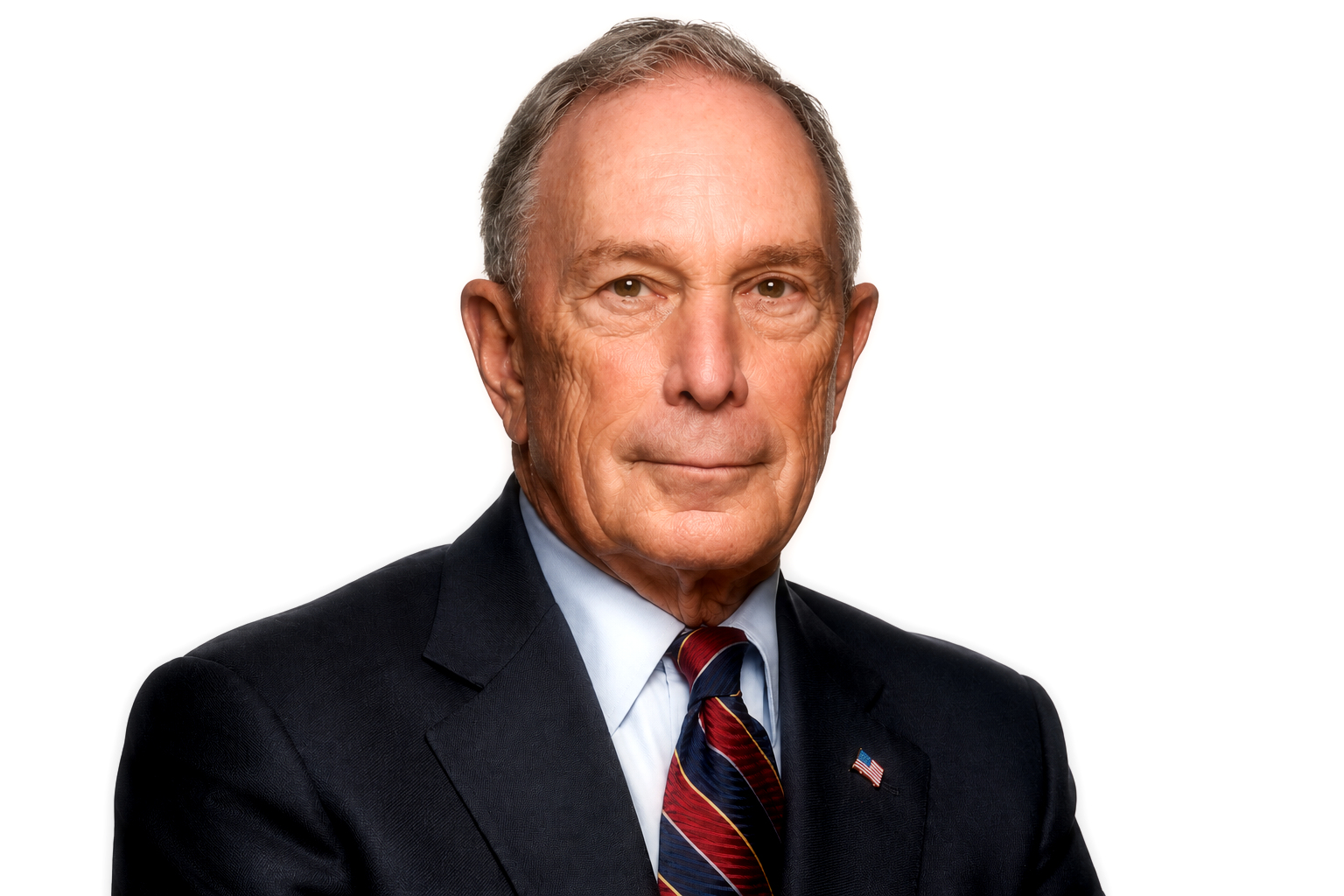
Michael Bloomberg is taking his decades-long affinity for the trades and turning it into a national experiment to show how high school can serve as a direct pathway into the middle class.
Speaking in Detroit, he announced a $90 million Bloomberg Philanthropies initiative that will connect roughly 15,000 high school students across nine regions to modern technical training, paid work experience, and registered apprenticeships in high‑wage, in‑demand skilled trades.
With this commitment, Bloomberg Philanthropies says it has now invested about $570 million in career and technical education since 2016, making CTE one of the most capitalized strands of his giving, alongside climate, public health, and cities.
“Skilled trades have been a part of my life since day one,” Bloomberg said in a social post timed to the Detroit announcement, describing how he had watched these jobs “pushed aside—treated like a fallback instead of a first choice.”
He framed the new fund as a response both to the “hundreds of thousands” of unfilled skilled trades roles and to a college‑for‑all narrative that, in his view, leaves too many students with debt and no clear path to a job.
“The idea that a four‑year college degree is the only pathway to a career flies in the face of reality,” he argued, linking the $90 million effort to a broader push to elevate “high‑wage, family‑sustaining” work in fields like welding, electrical work, plumbing, and HVAC.
The initiative will operate in nine regions selected based on labor‑market data: Boston, Chattanooga, Detroit, Houston, Raleigh, Richmond, St. Louis, Washington, D.C., and New Jersey.
In each, Bloomberg money is a catalyst for complex local partnerships that bring together school districts, building‑trades unions, electricians, carpenters, workforce boards, and employers who have struggled to hire enough talent to keep up with infrastructure and manufacturing demand.
Boston, for instance, will receive $12.8 million to expand what the city calls the Boston Skilled Trades Initiative, centered on Madison Park Technical Vocational High School as a hub for registered apprenticeships in construction and water utility management.
Mayor Michelle Wu said the program will “connect at least 100 BPS students annually” over three years to apprenticeship seats while opening an “after‑hours” program so students from other high schools can access Madison Park’s labs and training.
In Houston, the scale and architecture look different, but the theory of change is the same.
A $17 million Bloomberg grant will help lead partners including Houston Community College, the Greater Houston Partnership, Houston ISD, the Gulf Coast Region Apprenticeship Hub, and several plumbing and pipefitters unions knit together a new regional platform called Ready Set Next, aimed at more than 1,350 CTE students over three years.
The platform, powered by a GenAI‑enabled system from Pathful, is designed to guide teenagers in exploring high‑opportunity careers and to match them with work‑based learning, pre‑apprenticeship, and apprenticeship slots in electrical work, plumbing, welding, HVAC, industrial maintenance, and carpentry.
Local leaders describe Houston as a test case for how a rapidly growing region with major infrastructure needs can use philanthropy to align schools and employers around the same pipeline.
Detroit is where Bloomberg chose to roll out the national story—and where Ford Motor Company’s Jim Farley has become one of the most vocal corporate champions of the trades.
On the same day as the national announcement, the Detroit Public Schools Community District Foundation disclosed a $5 million joint investment from Ford and Bloomberg Philanthropies to modernize the auto tech program at Breithaupt Career and Technical Center and restart the program at Western International High School.
Half the funding comes from Ford Philanthropy and Ford’s Customer Service Division, and half from Bloomberg, according to Ford Philanthropy. Farley, who has warned of a 5,000‑mechanic shortfall across Ford’s U.S. dealerships, has dubbed the skilled trades the “Essential Economy” and says paid apprenticeship tracks in school districts like Detroit’s are “critical” for filling that gap.
From Bloomberg’s side, the design is intentionally more structured than the shop classes that defined vocational education in previous generations.
Each region is expected to offer applied technical curricula co-designed with unions and employers so that course content aligns with the tasks and technologies students will encounter in the field.
Students will move into paid work‑based learning and pre‑apprenticeship experiences that feed directly into registered apprenticeships, with stipends, transportation support, and help covering tools and equipment built in to reduce friction for low‑income families.
Philanthropy-funded staff and systems will be tasked with tracking whether those apprenticeships culminate in industry-recognized credentials and long-term jobs, not just short stints at a worksite.
Local officials are already connecting the initiative to their own long‑range planning. Boston’s Climate Ready Workforce Action Plan projects a sharp increase in demand for skilled trades tied to climate‑resilient infrastructure and building decarbonization by 2050, a context Wu cited in welcoming Bloomberg’s money as a way to “prepare our students for the jobs of the future while building a more resilient city.”
In Houston, business leaders frame the grant as both a workforce and equity play: the Greater Houston Partnership notes that stronger connections between schools, employers, community partners, and apprenticeship programs can help students “move into jobs with the skills and credentials employers need,” particularly in neighborhoods that have historically been disconnected from energy and construction careers.
For Bloomberg Philanthropies, the skilled trades initiative sits alongside and echoes its earlier moves to establish “careers‑first” high schools in healthcare, where students graduate into jobs in nursing and allied health.
The through‑line, according to the organization’s education portfolio, is a belief that philanthropy can help cities rewire high school so it functions as a launch pad into specific, high‑demand careers through internships, apprenticeships, and tightly integrated academics.
In this latest iteration, Bloomberg is effectively betting that if you lower the transactional and cultural barriers between 11th grade and a Registered Apprenticeship in plumbing, welding, or auto tech, you can simultaneously chip away at labor shortages and expand the number of teenagers who step directly into the kind of jobs that once defined the American middle class.