Marc Rowan’s thoughtful philanthropy is in the mid-nine-figure range and growing
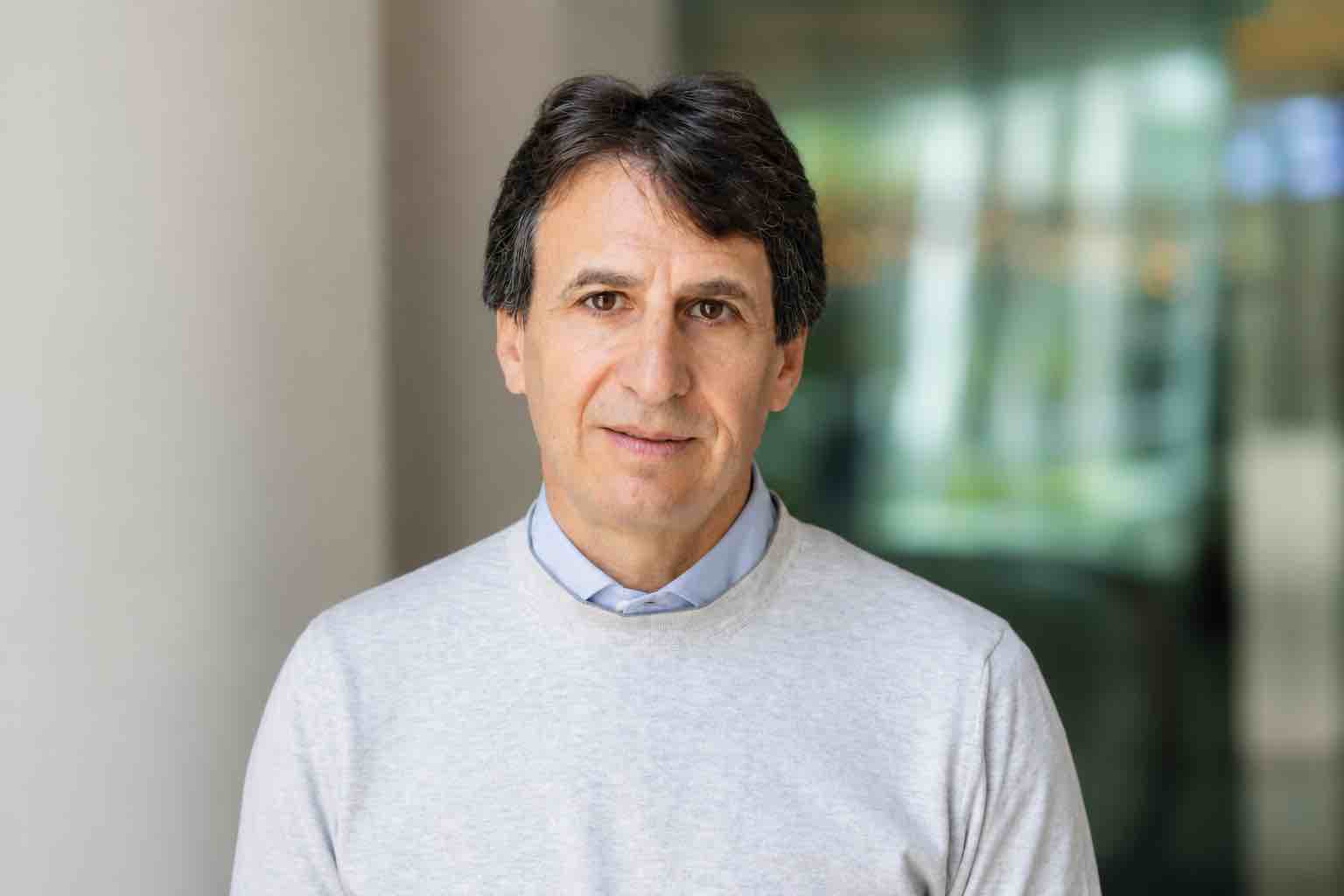
Marc Rowan did not ring a bell or cut a ribbon when he made his latest gift.
There was no gala, no stage, and no hushed crowd watching a jumbo check slide across the podium.
Instead, sometime in early May, the quiet machinery of Wall Street recorded a simple line in a regulatory filing: 140,000 shares of Apollo Global Management, the firm he co‑founded and still leads, had been given away as a “bona fide gift.”
On paper, the transaction was valued at zero dollars per share. In the real world, marked-to-market, it works out to a stake comfortably in the tens of millions.
For most people, that’s a life‑altering fortune.
For Rowan, it is raw material.
The bare facts are deceptively plain.
A billionaire financier who helped turn Apollo into a giant of private equity takes a block of stock from his personal column and moves it to a destination that isn’t yet spelled out in public—likely a family foundation, a donor‑advised fund, or another charitable structure.
There are no quotes about legacy, no adjective‑stuffed press release from a grateful institution.
What you see instead is a familiar pattern in how this particular family thinks about money: shares are not just units of ownership; they are building blocks for the next round of giving.
To understand why this matters, it helps to picture that block of 140,000 shares not as a line item but as a living thing. Apollo’s stock is moving with market changes.
For decades, Rowan has ridden those waves, turning distressed assets and complex financing into outsized returns.
Now, with a few strokes of a pen, he has taken a significant slice of that upside and pointed it outward.
When those shares throw off dividends or are eventually sold, the cash will be available not for another townhouse or artwork but for scholarships, schools, community programs, synagogues, civil‑society initiatives, and the kind of work that has already defined the Rowans’ philanthropic footprint.
What makes this gift interesting is not only the size but also the manner.
Most donors of his profile like their impact visible.
A building. A center. A named chair.
Rowan has done that before—just ask the Wharton School at the University of Pennsylvania, which received a record‑setting $50 million from Marc and Carolyn Rowan a few years ago.
But this gift is different. It is structural rather than symbolic, a rebalancing of his personal balance sheet away from “mine” and toward “ours.”
There is also something almost cinematic about the timing. As Apollo’s chief executive, Rowan has spent recent years warning about complacency in markets and the risks hidden in plain sight.
Imagine him in a Midtown conference room, talking through credit spreads and geopolitical uncertainty, then stepping into a quieter space with his lawyers and family advisors to sign off on a transfer that will siphon tens of millions of dollars into the philanthropic stream.
The juxtaposition is stark: on one side, the relentless churn of capital; on the other, a deliberate decision to take a chunk of that capital and freeze it in the service of something more durable than a quarterly earnings print.
For the Rowans, philanthropy has long been about leverage. They don’t just spread money around; they look for pressure points where a dollar can bend the arc of an institution.
In education, that has meant betting big on elite training grounds like Wharton while also backing charter schools, college‑access programs, and innovative classroom efforts that broaden the talent pipeline.
In Jewish life, it has meant strengthening large, networked organizations—UJA‑Federation of New York, Israeli school systems, youth‑renewal initiatives—on the theory that resilient communities are built from the ground up, not only through crisis appeals and security budgets.
Drop this new stock gift into that philosophy, and it starts to look less like a one‑off act of generosity and more like the next funding round in a long‑running campaign.
The shares themselves are fuel. They can be sold to endow a chair, underwrite a school network, seed a civic‑leadership program, or quietly keep a social‑service agency afloat through a rough patch.
They can be left to appreciate, turning today’s gift into a larger pool of dollars tomorrow. In the hands of a family that thinks in terms of portfolios and compounding, “giving away” stock is not an end state; it’s a repositioning.
There is another, subtler layer to the story.
For years, Marc Rowan’s public image has been shaped as much by his philanthropy and campus activism as by his investments. His record‑breaking donation to Wharton, his leadership at UJA‑Federation, his outspoken role in debates over antisemitism and free expression on campus—all of these have pushed him from the background of finance into the foreground of civic life.
A gift of this size, executed via stock rather than spotlight, suggests that even as his public profile has grown louder, his private giving has become more internalized, more integrated with how he manages his own fortune.
This is not philanthropy as an occasional flourish.
It is philanthropy as a standing instruction: as the wealth grows, move a portion along.
You can imagine the conversation around the kitchen table or the family office conference room.
The spreadsheets are open.
Apollo’s stock chart glows on a monitor.
An advisor explains how many shares would need to move to fund a decade of grantmaking at current levels or how a larger slug could endow a specific priority—a school network in Israel, say, or a civic-leadership program in the United States.
There is a question that has quietly animated the Rowans’ giving for years: what is the point of this capital if it doesn’t materially change what is possible for the institutions and communities we care about?
That may be why this latest gift, for all its technical simplicity, feels like such a vivid snapshot of where the family is headed.
In an era when so many fortunes are still piling up on the sidelines, waiting for clarity or for heirs to decide what to do, Marc Rowan has chosen motion. He is not dismantling his wealth, but he is steadily re‑routing pieces of it away from personal ownership toward public use.
There will almost certainly be more visible gifts to come—announced campaigns, named programs, and perhaps another headline‑grabbing check.
But long before any of that, there was a quiet filing that told its own story: one of the most influential figures in modern private equity peeled off a sizable slice of his own firm and pushed it across an invisible line, from investment to obligation.
The money will change shape, of course.
Shares will become cash; cash will become grants. Grants will become classrooms, fellowships, food pantries, counseling sessions, performances, research, and safety nets.
And somewhere down the line, when a student walks into a school that wouldn’t exist without private funding, or a family finds support in a Jewish community center that might otherwise have shrunk, or a young leader joins a fellowship that gives them the skills to bridge divides, they will have no reason to think about the 140,000 Apollo shares that helped make it possible.
That invisibility is part of the point.
The gift lives not in the filing but in the world it quietly helps build.