
$10 million latest gift from Daria and Dmitri Bukhman fuels ‘Emotional Revolution’ in children’s mental health- raises their philanthropic giving well over $150 million
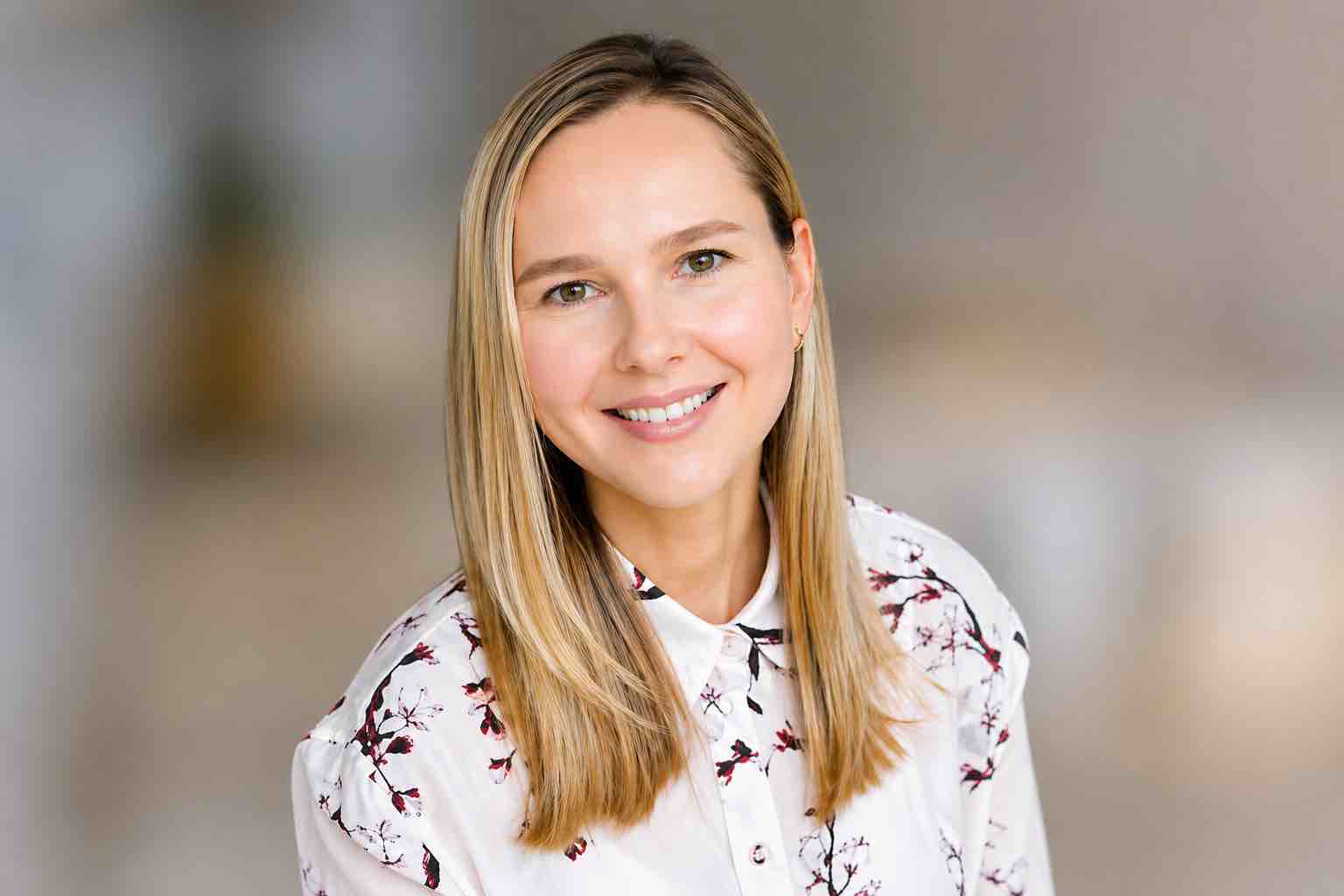
Yale School of Medicine has received a $10 million commitment from Bukhman Philanthropies, a foundation established by Daria and Dmitri Bukhman, to support the emotional health and psychological resilience of the next generation.
The gift advances the work of the Yale Child Study Center (YCSC) and two of its flagship initiatives—the Yale Center for Emotional Intelligence (YCEI) and the Anxiety and Mood Disorders Program—at a moment when youth mental health has emerged as one of the defining global challenges of our time.
At its core, the Bukhmans’ philanthropy reflects a distinctly modern synthesis: rigorous science paired with deeply personal conviction.
Their funding will accelerate the development of evidence-based interventions and enable the global scaling of practical tools to help children, adolescents, and families navigate an increasingly complex emotional landscape shaped by social pressures, digital life, and rapid technological change.
For Daria Bukhman, the path to this moment began far from the lecture halls of Yale. Born in Lithuania and raised in Vologda, a modest city in northern Russia, she describes a childhood shaped less by material abundance than by everyday acts of care.
Her mother, a pediatrician, modeled a quiet, instinctive generosity—bringing meals to neighbors, tending to vulnerable animals, and offering help wherever it was needed. Those early experiences, she has said, formed her understanding of philanthropy not as a grand gesture but as a sustained “love of humankind” expressed through action.
That ethos has carried forward into a life that bridges disciplines and geographies. After studying English language and culture at Vologda State Pedagogical University, Daria built a career in marketing, public relations, and business development, later expanding her focus to holistic health—becoming a certified health coach and prenatal and postnatal wellness practitioner.
Her intellectual and personal interests increasingly converged around a central question: how to equip individuals, particularly children, with the emotional tools to lead meaningful and resilient lives.
Her husband, Dmitri Bukhman, co-founder and chief executive of Playrix—one of the world’s largest mobile gaming companies—shares both the global perspective and entrepreneurial discipline that underpin the couple’s philanthropic strategy.
Together, they focus on giving that is scalable, measurable, and aligned with leading scientific research. Bukhman Philanthropies supports initiatives in neonatal and maternal health, mental health and wellbeing, and literature.
Their decision to support Yale was sparked not by institutional proximity, but by ideas. Daria recalls hearing Dr. Marc Brackett, founding director of the Yale Center for Emotional Intelligence, speak about his own childhood experiences and the transformative potential of emotional learning on a widely followed health podcast.
What resonated was not only the science, but the sense of urgency behind what Brackett has termed an “emotional revolution”—a systematic effort to teach children how to recognize, understand, express, and regulate their emotions.
That vision aligns closely with the Bukhmans’ belief that emotional intelligence will become an increasingly vital human skill in an age defined by artificial intelligence and digital immersion.
As Daria has noted, qualities such as empathy, self-awareness, and interpersonal connection may ultimately prove to be the most durable advantages in a rapidly evolving world, particularly for young people facing academic pressure, socioeconomic stressors, and the complexities of social media.
The Yale investment will help translate that philosophy into practice at scale. A central component is the expansion of RULER (Recognizing, Understanding, Labeling, Expressing, and Regulating), YCEI’s evidence-based approach to social and emotional learning, already adopted in more than 5,000 schools across over 30 countries and reaching millions of students and educators. The Bukhman funding will support the next phase of its growth, including the development of digital platforms and technology-enabled products that extend its reach to new populations globally while maintaining scientific rigor and fidelity.
At the same time, the gift strengthens clinical innovation in areas where need is both acute and underserved. Under the leadership of Dr. Wendy Silverman, new digitally delivered interventions will target childhood anxiety—the most prevalent mental health condition among young people—while also examining the complex role of social media in adolescent well-being.
These programs aim to close a persistent gap between research and access, ensuring that evidence-based care can reach families beyond traditional clinical settings through co-designed, theory-driven digital tools and randomized controlled trials.
Complementing this work, Dr. Eli Lebowitz will expand his pioneering SPACE (Supportive Parenting for Anxious Childhood Emotions) model into new domains, including chronic pain and restrictive eating, creating what he envisions as a transdiagnostic, parent-based treatment framework.
By focusing on empowering parents as agents of change, these efforts reflect a broader shift toward family-centered approaches that recognize the interconnected nature of children’s emotional environments and the daily realities caregivers face.
The scale of the challenge is sobering. Globally, one in seven 10- to 19-year-olds experiences a mental disorder, with anxiety, depression, and behavioral conditions among the leading causes of illness and disability, and suicide ranking as a leading cause of death in older adolescents and young adults.
The economic burden of conditions such as childhood anxiety is measured in hundreds of billions of dollars when accounting for healthcare costs, lost productivity, and education-related impacts, underscoring the urgency of preventive and early-intervention strategies.
Yet funding for preventive and evidence-based interventions has often lagged behind the growing need, making philanthropic capital not only catalytic but essential. In this context, the Bukhmans’ contribution stands out not just for its size but for its clear purpose: it is designed to accelerate timelines, enable innovation, and support the translation of research into real-world impact—areas where traditional funding mechanisms can fall short.
Notably, the couple resists framing their work in terms of legacy. Instead, they emphasize urgency, humility, and a willingness to learn, preferring to “stay humble and grounded” and to be open to course corrections as evidence emerges.
Their stated ambition is disarmingly straightforward: to make a meaningful contribution to fields that matter and to support progress that tangibly improves lives, particularly for children and families who might otherwise be left behind.
In doing so, Daria and Dmitri Bukhman are helping to define a new generation of global philanthropy—one that is intellectually engaged, internationally minded, and grounded in both data and lived experience.
From the quiet lessons of a pediatrician’s household in Vologda to partnerships with world-leading academic and clinical institutions, their journey underscores a simple but powerful idea: that the future of health may depend as much on emotional understanding as on medical discovery—and that investing in one is inseparable from advancing the other.