
$93 million gift from Weston family to rejuvenate a municipal park is poised to become a showcase for how major private giving can elevate green spaces
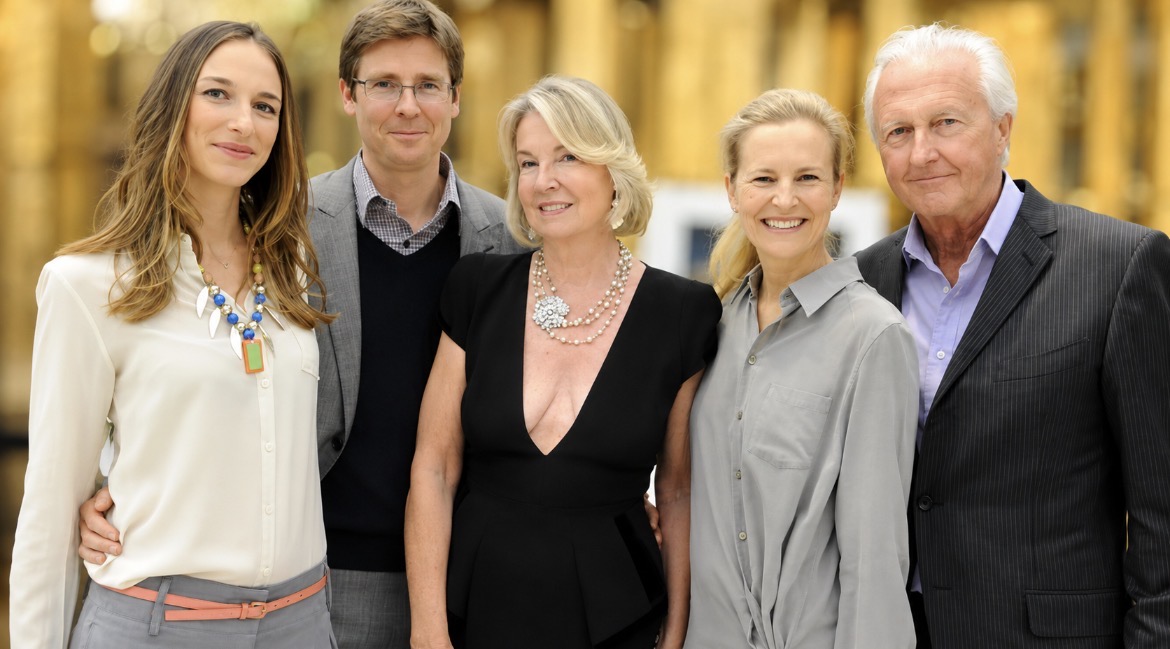
Toronto’s oldest municipal park is poised to become a showcase for how major private giving can elevate a treasured “green oasis” while celebrating, rather than compromising, its natural character.
The Weston family’s $93 million commitment to Queen’s Park North is now aligned with a design vision that treats the park’s trees and open lawns as the project’s greatest assets rather than obstacles.
The revitalization brings together a rare combination of ingredients: a capital pledge of up to $50 million for design and construction, plus roughly $43 million in long‑term operating support, all structured so the City of Toronto, the University of Toronto, and the foundation of the Weston family share stewardship of the park. In practice, that means upgrades and enhancements can move ahead with a clear, well-funded plan to keep the space beautifully maintained for years to come, rather than relying on ad hoc budgets and deferred repairs.
A defining feature of the updated concept is how strongly it leans into preservation and enhancement of the urban forest. Detailed mapping of all 358 trees—and the roots of 88 particularly distinctive specimens—has allowed planners to carve out generous protection zones so new elements can be introduced without disturbing the park’s most valued canopy. The result is a layout that keeps roughly 41 percent of the grounds as open lawn, reinforcing the park’s reputation as a calm, breathable retreat in the middle of downtown.
Several design changes underscore that trees and open space truly come first. An earlier idea for a larger community building has been set aside, and the elevated tree walk and commemorative garden have been refined so they sit more lightly on the landscape. The central pavilion has been scaled to a modest 2,700 square feet at grade, with a warm, all‑season café as its focus, while public washrooms move to a separate, smaller structure that minimizes the built footprint at the park’s heart.
The amenities now planned are clearly designed to invite more people to linger and enjoy the park in all seasons. A café offers a welcoming place to meet and recharge; an interactive water feature is set to become a playful focal point on hot days; and improved entrances, accessible seating, and an upgraded running track will make the park more inviting for everyone from office workers and students to families and tourists. Dedicated space for Indigenous ceremonies reflects a broader commitment to honoring the site’s cultural significance alongside its natural beauty.
The funding and governance model behind the gift adds another optimistic dimension to the story. A 20‑year stewardship framework will formalize how the city, the Weston family, and the University of Toronto collaborate on programming, maintenance, and community engagement, giving the park a stable, long‑term support structure that many public spaces can only envy.
Capital costs for the revitalization are covered by the donation, and enhanced day‑to‑day care will be supported through the operating portion of the gift, allowing municipal resources to stretch further.
Even the treatment of heritage elements is framed as an opportunity to refresh the park’s identity in thoughtful ways. Relocating the equestrian statue of King Edward VII closer to the Ontario Legislative Building opens up the center of the park as a flexible civic gathering space, while still keeping a visible link to the site’s historical roots. It signals a shift toward a more people‑focused landscape in which history, ecology, and daily urban life coexist.
Inside City Hall, the Queen’s Park North project is increasingly seen as a model for how major philanthropy can work hand‑in‑hand with public priorities. Urban forestry experts have had a leading voice from the outset, ensuring climate resilience, canopy health, and soil protection are embedded in the design rather than added as afterthoughts. That integrated approach offers a promising blueprint for future investments in parks and public spaces across Toronto.
As detailed design, technical work, and community input continue, the direction is clear: Queen’s Park North is on track to emerge as a greener, more welcoming, and more actively used destination, underpinned by a robust funding and stewardship framework. If the vision is realized as planned, the Weston‑funded revitalization will leave Toronto not just with a refreshed park but with a living example of how generous private giving can enhance public life while keeping nature, heritage, and community firmly at the center.