$90 million gift to school from Lynn Barr will help make advanced training in public health more accessible
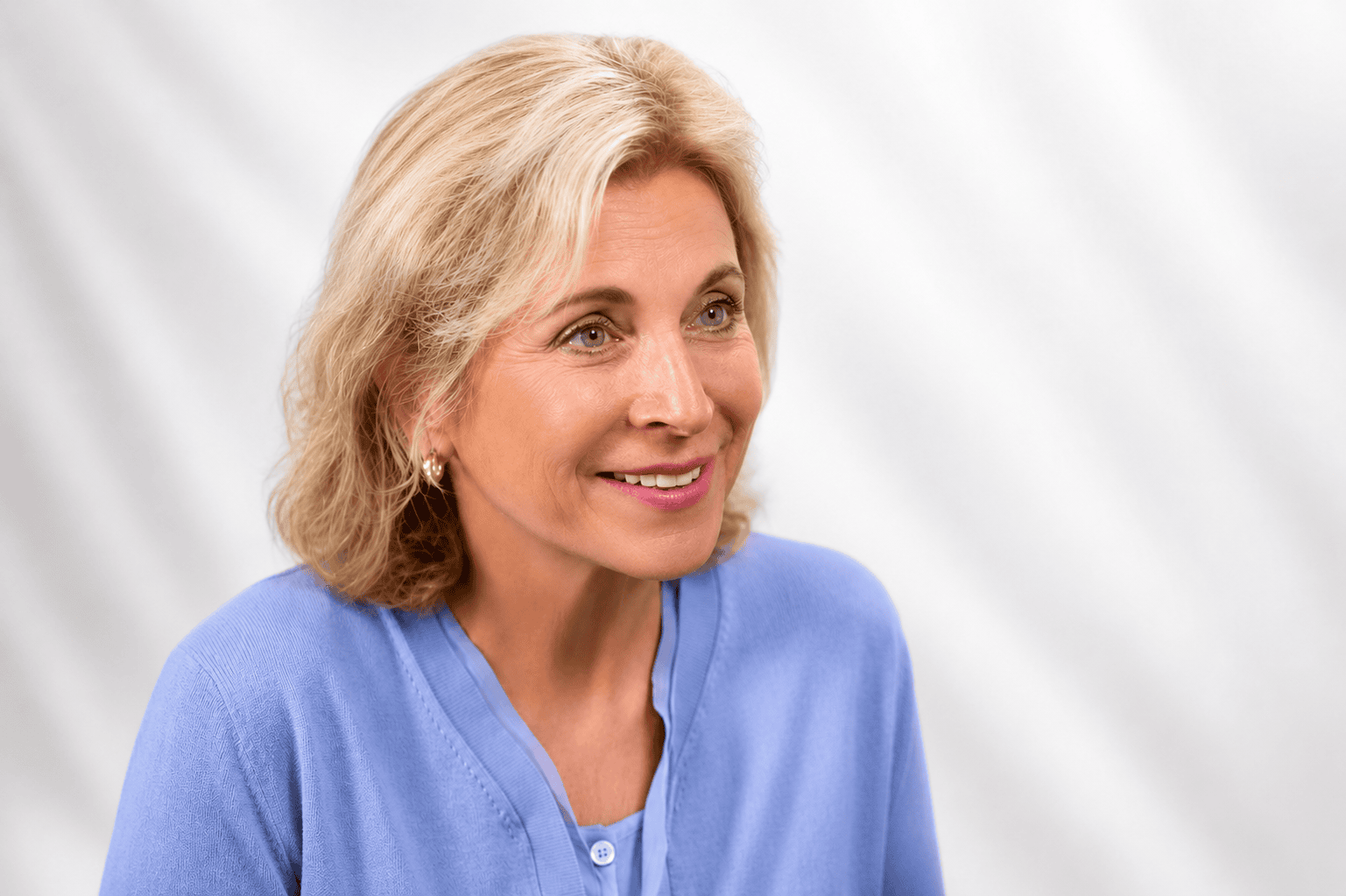
UC Berkeley’s School of Public Health has announced a record-shattering $90 million pledge from alumna and rural health innovator Lynn Barr, a commitment set to support generations of students and dramatically expand the school’s ability to tackle some of the toughest public health challenges.
University leaders describe the pledge, as the largest in the history of Berkeley Public Health and one of the most significant philanthropic commitments to public health education at the university.
It cements Barr’s role as one of the school’s most influential supporters and reflects her belief that Berkeley is uniquely positioned to train the leaders needed to repair what she has often called a “broken” health care system.
The new pledge is designed to provide strong, long-term support for public health students, with a particular emphasis on reducing financial barriers for people who feel called to serve in the field.
Berkeley officials have emphasized that the funds will help make advanced training in public health more accessible, opening doors for students who might otherwise be deterred by cost. By investing in students at this scale, the pledge aims to strengthen the pipeline of professionals who can design better systems, lead health departments, shape policy, and respond to crises in communities across the country.
A central theme in Barr’s philanthropy is her deep commitment to rural health, and this pledge builds on that focus. She has long argued that any serious effort to improve health in America must work for the nearly one in five people who live in rural communities, where hospitals are more likely to close, doctors are in short supply, and residents often travel long distances for basic care.
Berkeley’s descriptions of the gift underline that the support is intended to lift up leaders who understand these realities and who can bring rural perspectives into classrooms, research projects, and policy conversations. In this way, the pledge is not just about funding degrees; it is about reshaping who gets to lead and whose experiences inform the future of public health.
Barr’s latest commitment builds directly on her earlier support for UC Berkeley’s Rural Health Innovation Program, which she helped launch with a previous $10 million gift. That initiative has already funded 100 mid-career health professionals from 30 states to pursue Berkeley’s online Master of Public Health while remaining in their communities.
The “train in place” model allows rural clinicians and administrators to gain advanced skills in data, policy, and systems change without stepping away from the patients and regions that most need them.
Participants in the program are learning to redesign care models, navigate value-based payment, and advocate for fairer Medicare and Medicaid policies that reflect rural realities. The new pledge is expected to deepen and extend this work, ensuring that cost does not stand in the way for future cohorts of rural health leaders.
Lynn Barr’s own career helps explain why she has chosen to invest so heavily in this space. A graduate of Berkeley Public Health’s MPH program, she went on to become a nationally recognized leader in rural population health and value-based care. She founded Caravan Health, an organization that helped rural hospitals and clinics join together in accountable care arrangements, giving them the scale and data tools to improve quality and share in savings.
Through that work, Barr and her team supported hundreds of thousands of mostly Medicare patients, demonstrating that rural providers could succeed in new payment models when given the right infrastructure.
She has often credited her time at Berkeley with sharpening her understanding of health inequities and providing the analytical and policy skills she would later use to build solutions.
In comments shared by the university, Barr has spoken about wanting to create a new generation of leaders who can bridge divides between rural and urban communities and who can work across political and cultural lines.
Her vision is for Berkeley-trained professionals who are fluent in data and policy but also grounded in the lived realities of the people they serve, whether in small farm towns or dense cities. The pledge is meant to help make that vision real by freeing students from financial pressures and allowing them to choose careers and locations based on impact rather than income alone.
UC Berkeley’s School of Public Health has responded to the pledge with a mix of gratitude and ambition. Dean Michael C. Lu has called the commitment “extraordinary” and has emphasized that it will ensure that finances do not block talented, mission-driven students from entering the field.
He has also highlighted the broader ripple effects, noting that each supported student represents future patients served, communities strengthened, and policies improved. Over the coming years, the school expects this pledge, together with Barr’s earlier giving, to fuel an expansion of programs focused on rural innovation, health equity, and public health leadership.
As the specific plans for deploying the funds are finalized, observers in public health and philanthropy will be watching how this landmark commitment shapes both the student body at Berkeley and the broader landscape of rural health.