
$70 million naming gift to rehab hospital by Igal Jusidman and family
Israel’s largest planned rehabilitation hospital will carry not only the Jusidman name but also the imprint of a multigenerational Mexican‑Israeli business family now channeling its industrial fortune into high‑impact healthcare philanthropy.
The new Jusidman Rehabilitation Hospital in north Tel Aviv is being anchored by an estimated $70 million commitment from the Jusidman Family Charitable Foundation, founded by hardware magnate Daniel Jusidman and led today by his son, Igal.
The hospital is part of a roughly $390 million project, with the family’s anchor gift designed to catalyze additional backing from the Tel Aviv municipality, the Israeli government, and private donors.
Daniel Jusidman, born in Mexico to Jewish parents who emigrated from the former Soviet Union, built one of Latin America’s largest hardware companies before turning his focus toward philanthropy in Israel.
Over the past two decades, he and his family have steadily expanded their giving to Israeli hospitals and universities, funding facilities ranging from oncology and trauma units to academic centers.
The new rehabilitation hospital represents the largest single expression of that philanthropic strategy to date, consolidating the family’s role as a serious player in Israel’s health‑system build‑out.
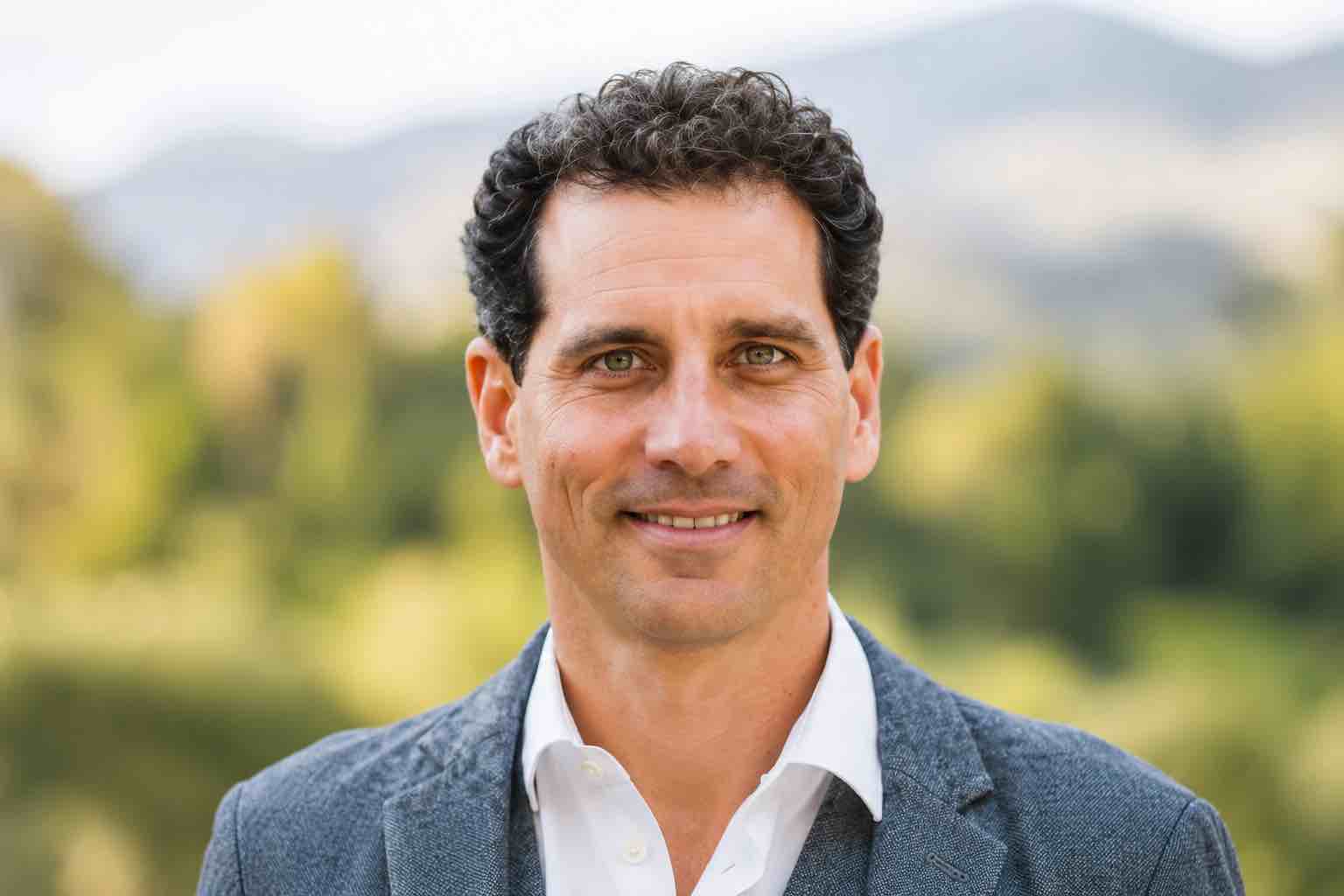
At the signing ceremony in Tel Aviv, Daniel’s son, Igal Jusidman, appeared as the operational face of the gift in his role as CEO of the Jusidman Family Charitable Foundation.
He joined Tel Aviv Mayor Ron Huldai, Tel Aviv Foundation CEO Hila Oren, Reuth Association leadership, and senior hospital executives to formalize the commitment and unveil initial plans for the campus. In his remarks, Igal framed the project as a direct response to the “long and painful war” that has underscored the centrality of rehabilitation medicine in restoring “lives, dignity, and independence” for injured Israelis.
The plan calls for the existing Reuth Rehabilitation Hospital, currently located in the Yad Eliyahu neighborhood of south Tel Aviv, to relocate and expand to a new, purpose‑built campus at Sde Dov in northern Tel Aviv.
When complete, the Jusidman Rehabilitation Hospital is expected to become the country’s largest rehabilitation facility, with around 540 beds and capacity to treat thousands of patients each year.
The campus is slated to combine inpatient units with an expanded day rehabilitation center, advanced treatment facilities, a hydrotherapy pool, specialized institutes and outpatient clinics, and a dedicated research and development hub.
Designers have emphasized that the campus will integrate generous green spaces, walking paths, and family‑oriented areas to support a more holistic model of recovery.
That focus on environment and experience reflects an evolving global consensus in rehabilitation medicine: that successful recovery depends on physical, emotional, and social dimensions of healing, not only on clinical interventions. For families, the new facility is intended to offer a more dignified, less institutional setting for long stays, complex injuries, and long‑term disabilities.
While the gift is directed to an Israeli project, there is a subtle U.S. angle in how the Jusidman family now navigates global philanthropy.
Igal is active in international Jewish philanthropic networks that are headquartered in the United States.
For American donors and institutions, the project will likely serve as a model of how diaspora families can use large, targeted gifts to anchor complex public‑private health infrastructure in Israel.
Construction of the new hospital is expected to take about six years. Once it opens, the Jusidman Rehabilitation Hospital will stand as both a critical piece of medical infrastructure and a physical monument to the family’s evolving philanthropic identity—moving from building hardware across Latin America to building capacity for recovery and resilience in Israel.
For the Jusidmans, the project encapsulates a clear through line: using private family wealth, deployed at scale, to repair lives and strengthen systems in a moment when rehabilitation medicine has moved from the margins to the center of national concern.