$580 million new commitment: Lodewijk Hijmans van den Bergh turns Aegon’s US shift into a game-changing cross‑border philanthropy play
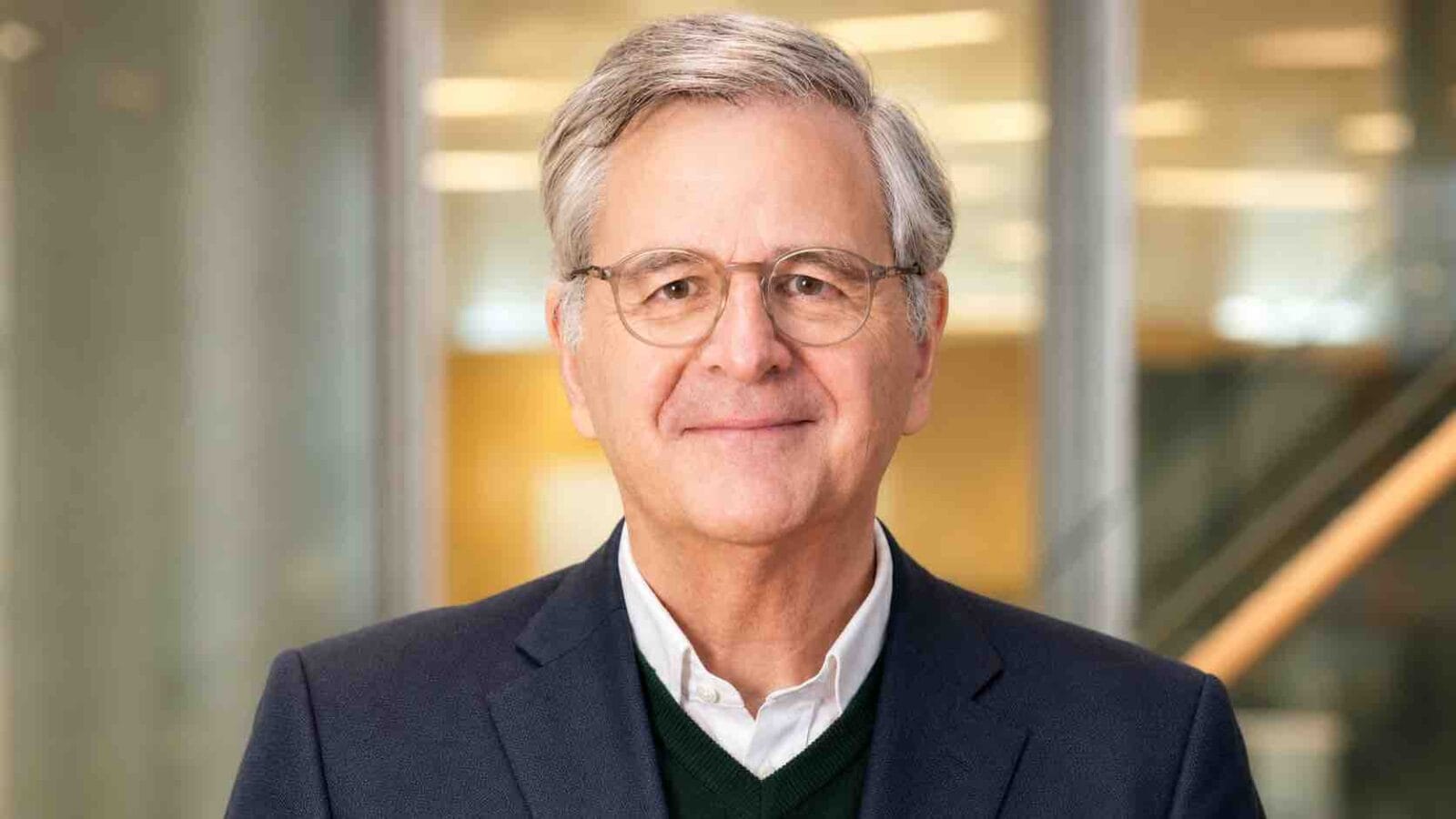
Lodewijk Hijmans van den Bergh spearheads a landmark commitment of roughly 580 million dollars by Vereniging Aegon, turning Aegon’s planned move to a US legal base into a test case for how cross‑border corporate migrations can leave a lasting social footprint.
As chairman of the association’s executive committee, he has positioned the endowment of the new Aegon Fonds Nederland foundation as the “social counterpart” to a sweeping redomiciliation and governance overhaul designed with US investors in mind.
Under the agreement announced on May 28, 2026, Vereniging Aegon will commit approximately 580 million dollars (500 million euros) in cash and cash equivalents, together with its existing Dutch sponsorships and its equity stake in the Leyden Academy on Vitality and Ageing, to Aegon Fonds Nederland, an independent charitable foundation based in the Netherlands.
The foundation will pursue charitable and societal initiatives that mirror Aegon’s purpose of “helping people live their best lives,” building on a portfolio that already includes support for youth mental health through @ease, gender equality work via Women Inc., and strategic litigation for women’s rights at Bureau Clara Wichmann.
For a US readership, the philanthropic architecture is as important as the headline figure. Aegon intends to ask shareholders in the fourth quarter of 2026 to approve a move to Delaware and a shift to US‑style governance, including converting all special Common Shares B into a single class of ordinary stock, phasing out its staggered board, introducing annual “say‑on‑pay” votes, and applying majority voting in uncontested board elections.
In parallel, Vereniging Aegon will be renamed Vereniging Aegon Americas and is expected to retain around 18.4 percent of the group as a long‑term anchor shareholder, with an updated mandate that explicitly combines safeguarding Aegon’s continuity with supporting charitable and societal activities aligned with the company’s purpose.
By carving off a sizeable philanthropic endowment into a separately governed foundation, the structure echoes models familiar to US family offices and institutional investors: a listed company with cleaner one‑share‑one‑vote governance, backed by a sophisticated anchor investor, alongside an independent foundation with its own capital and mission.
Here, though, the 580 million dollar commitment is consciously tied to the politics of domicile—reassuring Dutch stakeholders that a move to the US comes with a hard-coded “social dividend” at home and offering US stakeholders a tangible signal that this is not just a tax or regulatory arbitrage, but a transition framed in stakeholder-capitalism terms.
Hijmans van den Bergh’s own framing of the deal underlines that point. In the announcement, he described the creation of Aegon Fonds Nederland as a way to preserve Aegon’s longstanding heritage in the Netherlands and to ensure the continued development of social‑impact initiatives that support Dutch society, while confirming Vereniging Aegon’s backing for Aegon’s US governance package.
That message is reinforced by his broader résumé: beyond leading Vereniging Aegon’s executive committee, he serves on the supervisory boards of ING Groep, Heineken, and HAL, and has chaired the Utrecht University Fund, giving him a vantage point at the intersection of Dutch corporate governance and institutional philanthropy.
His involvement in Vereniging Aegon’s support for @ease, which is expanding walk-in centers for young people with mental health challenges, shows that the new foundation will not start from a blank slate but from a set of tested social partnerships.
The philanthropic implications also extend to how Aegon presents itself as a US‑based group. Since moving its legal seat to Bermuda in 2023, Aegon has highlighted community investments in education and financial and social empowerment, including scholarships and local grants, as part of its purpose‑driven narrative.
As it now prepares to shift to Delaware, the combination of a large, ring‑fenced Dutch endowment and existing international community programs gives Aegon a multi‑jurisdictional impact footprint that ESG‑oriented US investors, endowments, and family offices can weigh alongside its financial metrics and capital‑return plans.
For US‑based philanthropists and wealth advisors, the Aegon–Vereniging Aegon structure offers a live blueprint for aligning corporate transactions with long‑term giving.
The company gets a simpler, investor‑friendly governance setup; the anchor shareholder remains in place under a refreshed mandate; and a separately capitalized foundation—seeded at scale—takes responsibility for the legacy market’s social agenda.
In that blueprint, Hijmans van den Bergh emerges as the key designer and advocate: the Dutch dealmaker who convinces Wall Street that modernization can go hand in hand with measurable, permanent philanthropic impact, rather than at its expense.