
$50 million gift from Sidd, Rahul and Srujani Pagidipati—children of Indian immigrant doctors—reshapes local children’s care and turns a family arrival story into a generational hospital legacy
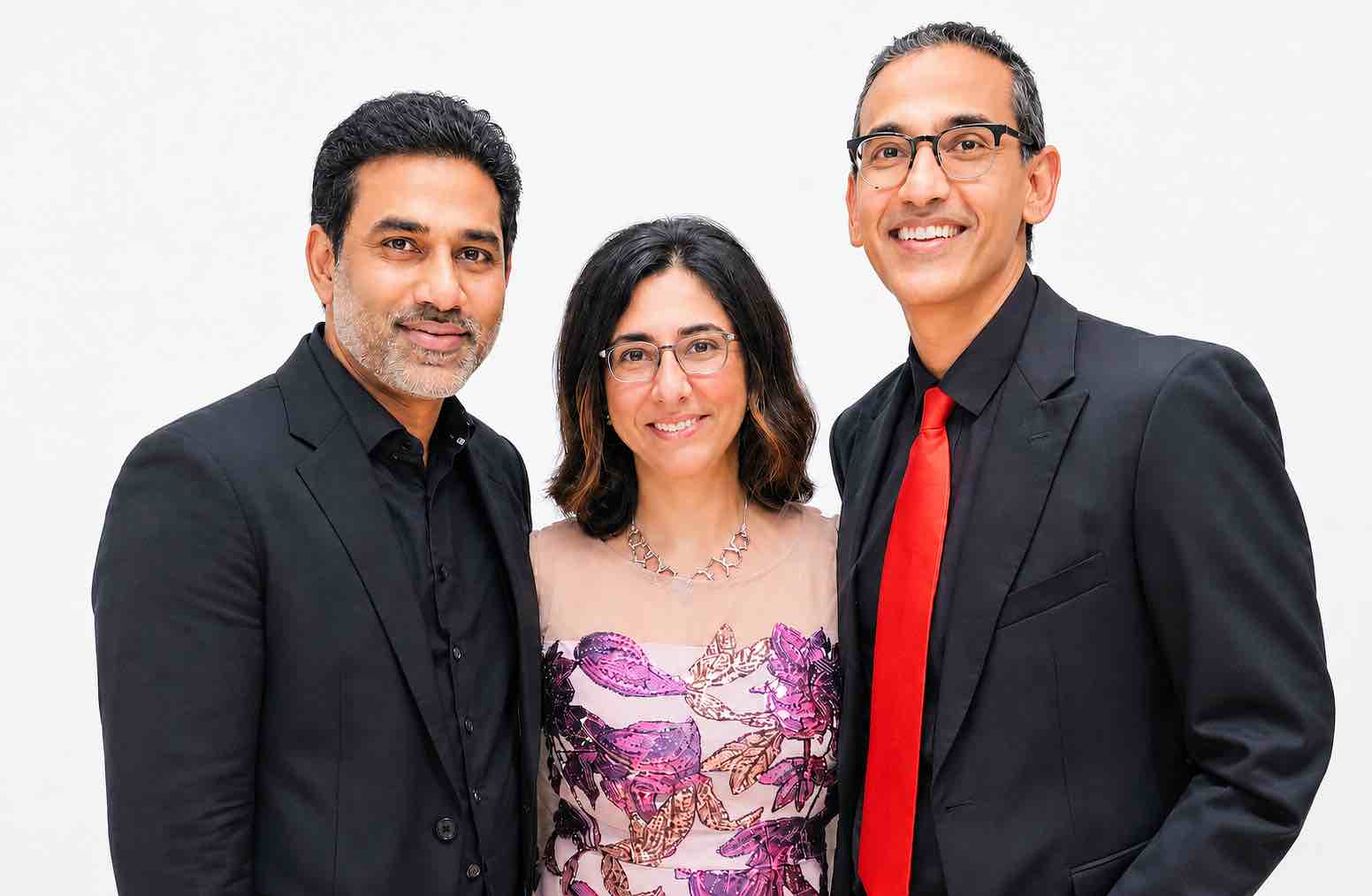
Tampa’s latest skyline story starts not with a developer’s rendering, but with a family memory: two young doctors arriving in the United States 50 years ago, intent on building a life in medicine and for their children.
Five decades later, those children—now entrepreneurs, investors, and physicians in their own right—have answered that origin story with a gift so large it will quite literally put their name on a new children’s hospital and reset expectations for what private philanthropy can do in Florida.
In a landmark act of giving, Tampa business leader and health‑care entrepreneur Sidd Pagidipati, together with his siblings Rahul and Srujani, has committed 50 million dollars to St. Joseph’s Children’s Hospital Foundation to fund a freestanding pediatric hospital on the existing Tampa campus.
The Pagidipati Children’s Hospital at St. Joseph’s, as the facility will be known, is scheduled to open by 2030 and is being positioned as a next‑generation hub for pediatric care and research in West Central Florida.
Hospital and foundation leaders describe the donation as the largest publicly recorded gift to a hospital in the Tampa Bay area and one of the largest health-care gifts in the history of Florida, a single check that instantly changes the trajectory of an already ambitious capital plan.
For the donors, the number is freighted with symbolism. The 50-million-dollar commitment is explicitly tied to three anniversaries: their parents’ 50th wedding anniversary, the 50th anniversary of the couple’s immigration to the U.S., and the half-century they have spent in the healing professions.
In announcing the gift, Sidd framed it as a tribute to “unwavering dedication” and sacrifice, the late‑night shifts and long days in clinics and hospitals that financed their American dream and, in turn, gave their children the chance to build companies and careers at scale.
Standing alongside him in celebration were his wife, physician Ami Pagidipati, their two children—both born at BayCare hospitals; and Rahul’s wife, cardiologist Neha Pagidipati, a tableau of a multi-generational family still rooted in medicine but now operating as capital allocators in the philanthropic arena.
The family has been explicit about how they see that role.
They talk less about naming rights than about leverage: using wealth created in health‑care ventures, including Sidd’s Better Health Group and Rahul’s ZebPay, to help make Tampa Bay “the healthiest and best place in America to raise a family.”
Their $ 50 million will anchor a roughly $650 million project, giving BayCare’s planners unusual confidence as they move from concept to construction of a colorful, light‑washed children’s hospital that will be visible both day and night from key corridors throughout the city.
Inside, the vision extends from expanded intensive care and surgical capacity to research, specialty clinics, and family‑centered spaces built specifically for pediatric patients rather than retrofitted from adult facilities—a design choice the donors have championed as essential if Tampa wants to compete with legacy children’s hospitals in larger markets.
Within the philanthropic world, the gift has already registered. The Chronicle of Philanthropy has named the Pagidipati family to its Philanthropy 50 list of America’s largest donors, a national acknowledgment that a first‑generation immigrant family in Tampa now belongs in the same statistical conversation as long‑established dynasties.
Locally, St. Joseph’s Children’s Hospital Foundation and BayCare leaders have been quick to stress not only the dollar amount but the narrative behind it—a story about children of immigrants turning commercial success in health care and technology into a generational bet on the city’s youngest residents.
Their hope, openly stated, is that the Pagidipatis’ move will serve as a philanthropic accelerant, inspiring other affluent families and corporate partners to step forward with gifts sized to the true cost of world‑class care rather than the more familiar six‑ and low-seven-figure checks.
Behind the scenes, the road to this moment has been deliberate rather than impulsive. Sidd has said that a tour of the existing St. Joseph’s Children’s Hospital this spring, alongside his wife, proved catalytic as they met nurses, physicians, technicians, and support staff and saw firsthand both the strengths and the spatial constraints of the current building.
That visit intersected with months of quiet work by advisers, including legal and strategic communications teams, to shape a gift that would be both transformational and tightly aligned with the family’s values and personal history.
The result is a philanthropic package that honors two physician parents, celebrates a half‑century in a new country, and embeds the Pagidipati name into the way Tampa Bay treats sick children for decades to come—an unusually intimate backstory for a gift of this size and a reminder that even at 50 million dollars, the most powerful capital in philanthropy can be nostalgia, gratitude, and a very specific idea of what home should feel like for the next generation.