
$25 million gift from John Lederer launches a $200 million campaign to end street homelessness
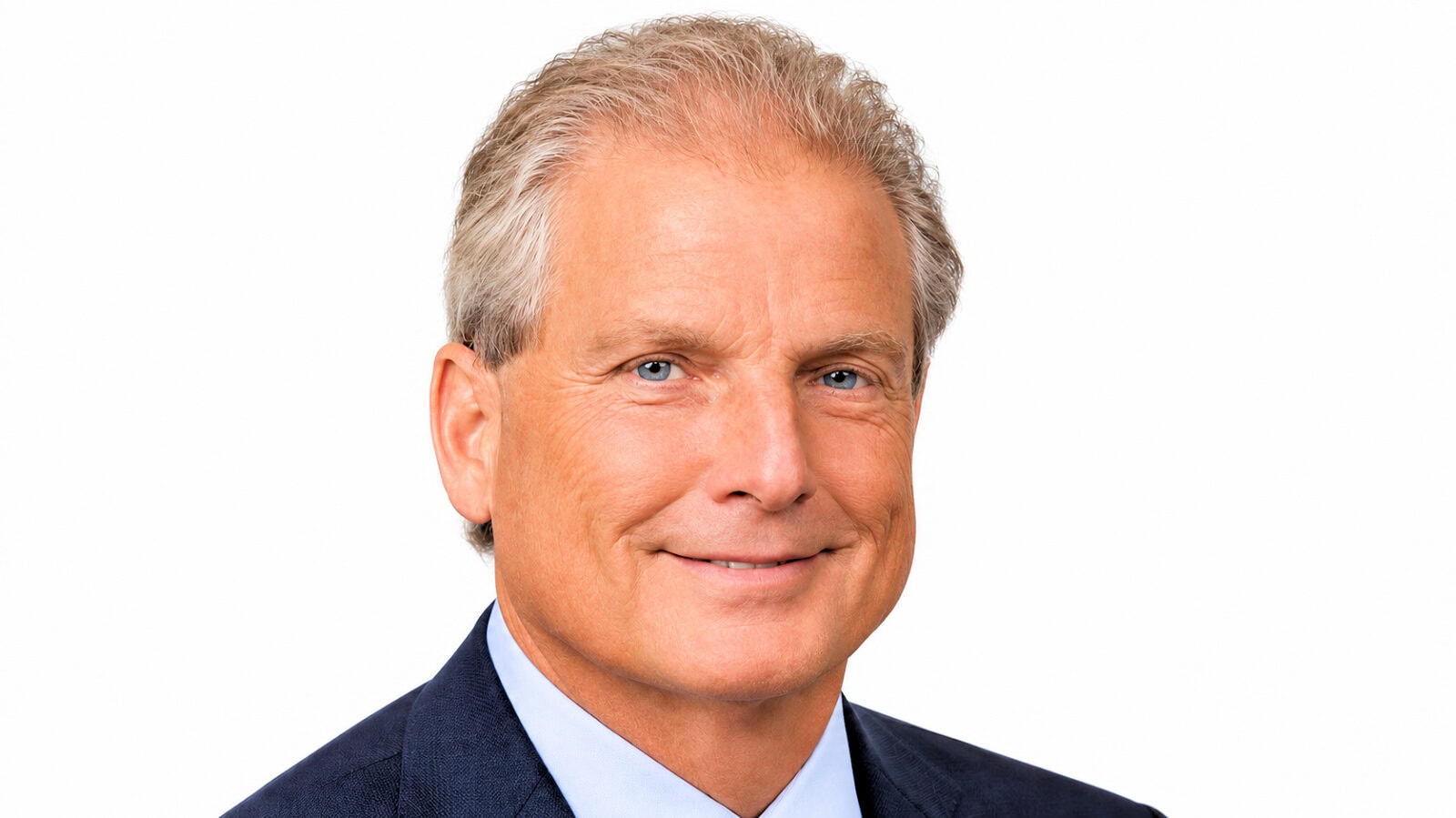
John A. Lederer spent most of his working life building a business that got things to people: groceries, prescriptions, office supplies, the everyday goods that keep households and businesses running.
Over 30 years at Loblaw, where he rose to president, and later at Duane Reade, US Foods, and Staples, he learned that a good idea counts for little until it works in every store, every city, every day.
Now the Toronto-born executive and philanthropist is bringing that same focus to one of Canada’s hardest problems.
Through the John Lederer Family Foundation, Lederer has made a $25 million lead gift to St. Michael’s Hospital’s MAP Center for Urban Health Solutions, part of Unity Health Toronto.
The gift launches UNHOUSED, a $200 million national campaign to take a proven housing-first model from Toronto to communities across the country, with the goal of ending street homelessness in Canada.
“It’s time for a new Canadian strategy,” Lederer said.
“Other countries are already proving it can be done.
Now, it is time to add Canada to that list.”
That kind of confidence comes from someone who knows this institution well.
Lederer has stood behind MAP for years. He co-chaired an earlier $25 million campaign with John Cassaday that helped MAP’s scientists build evidence-based ways to make health care fairer for people facing disadvantage.
He also helped make possible a public exhibit on how poverty shapes health, where visitors stepped into a mock shelter and listened to the voices of Torontonians who had lived without a home.
His new gift moves from building the evidence to acting on it nationally.
The need has grown fast.
Homelessness in Canada has more than doubled in the past eight years, and unsheltered homelessness, meaning people living outside or in places never meant to be lived in, has quadrupled.
Today, one in ten Canadians has been homeless at some point in their lives. Behind those numbers are people sleeping in parks, in doorways, and in encampments that have become part of city life from coast to coast.
Many of them eventually arrive in emergency departments like the one at St. Michael’s, long known as Toronto’s “Urban Angel” for caring for people with nowhere else to turn.
The approach UNHOUSED will expand is direct.
Research from around the world shows that ending homelessness takes a combination of affordable housing, targeted social support, and health care delivered at the right level and at the right time.
MAP’s method pairs housing with integrated, wraparound supports for people leaving street homelessness.
The aim is not just to get someone indoors but to help them stay there, recover their health, and rebuild a life in their community.
The model has been designed to work for people with the most complex needs, who are often the people older systems leave behind.
“We know what it takes to drive real, sustainable change, and our research shows what works,” said Dr. Stephen Hwang, who leads UNHOUSED.
He is a senior scientist at MAP, a Canada Research Chair, and one of the world’s leading researchers on homelessness, housing, and health. “We’re seizing this moment and hope others will join us in this monumental effort.”
The model is already running in Toronto. Earlier this year, The Slaight Family Foundation gave $25 million to MAP and United Way Greater Toronto to create the Slaight Family Housing Lab, a separate investment that laid the foundation for the national work.
The lab brings together street teams of case managers, peer navigators, social workers, and medical professionals.
They meet people where they are, help them get ready to move and connect them with open, supportive housing units.
The lab will work directly with 300 people living on the street and others with complex needs. Its first team began work this summer, and two more are planned for next year.
UNHOUSED is the next step.
MAP will adapt the Toronto model to cities across Canada, working with local communities and partner agencies to help thousands of people move from the street into safe, supportive housing.
The campaign follows a detailed strategic and business analysis by BCG Canada, which helped MAP work out how the approach could grow responsibly and sustainably.
A seasoned operator would expect that kind of groundwork before backing a national expansion.
The timing is deliberate.
The federal government has committed to ending homelessness within ten years, and UNHOUSED is meant to work alongside that goal, bringing private philanthropy, hospital-based research, and local partnerships together around a shared deadline.
“Everyone deserves a safe place to live and the support they need to build a stable future,” said Evan Solomon, Member of Parliament for Toronto Centre and federal Minister of Artificial Intelligence and Digital Innovation.
“This is about more than getting people off the streets. It’s about helping them stay housed, regain stability and move forward with dignity.”
For MAP’s director, Dr. Nav Persaud, Canada Research Chair in Health Justice, the gift turns a long-held belief into a practical plan. “Ending homelessness is an ambitious goal, but it’s achievable,” he said. “Now is the time to work together, be bold, and invest in real change. Together, we can do this.”
Altaf Stationwala, President and CEO of Unity Health Toronto, which includes St. Michael’s Hospital, St. Joseph’s Health Center, and Providence Healthcare, described the hospital network as “determined to accelerate meaningful change on a national scale in partnership with governments and our visionary donors.”
He also thanked the Lederer family for its “shared belief in what is possible when we invest in innovative solutions to some of society’s most pressing challenges.”
Kevin Goldthorp, President and CEO of St. Michael’s Hospital Foundation, called it a consequential moment. “St. Mike’s is honored to be the place where philanthropic leaders come to drive change,” he said.
“We have the research, the method, the conviction, and now the opportunity to take proven solutions to communities across the country.”
Lederer, a member of the Order of Canada, was recognized for his business leadership and for his philanthropy in health and community causes.
His giving has often focused on basic needs.
At Loblaw, he chaired President’s Choice Children’s Charity, which works to make sure children have enough to eat.
With this gift, he is applying that same belief to shelter. His $25 million is meant to show that ending street homelessness is possible and to bring in the remaining $175 million from donors who agree.