$250 million gift from Dave and Cheryl Duffield to put veterinary care within every family’s reach
There is a particular kind of heartbreak that veterinarians and shelter workers know too well: the family that loves its dog completely and simply cannot afford to keep him well. The limp that goes unexamined. The cough that waits.
The moment in an exam room when a parent asks what a treatment costs and then, quietly, asks what happens if they don’t do it. It is not a failure of love. It is a failure of access—and on Thursday, one of philanthropy’s most persistent animal-welfare families decided to spend a quarter of a billion dollars trying to close that gap.
The Dave & Cheryl Duffield Foundation announced the Duffield Big Bet for Pets, a $250 million commitment over the next five years to reduce the barriers that keep American families from getting veterinary care for the animals they consider kin.
It is, by the Foundation’s account, one of the largest private philanthropic investments ever made to expand access to nonprofit community veterinary care—a field that has historically operated on shoestrings, church-basement clinic days, and the goodwill of exhausted volunteers.
The number the Foundation is aiming at is startling in its scale and clarifying in its simplicity. An estimated 50 million dogs and cats in the United States are affected by the access-to-care gap, and the cause is overwhelmingly financial rather than medical: routine, preventive, and lifesaving services exist, but they sit just out of reach for millions of households. That framing matters, because it turns an intractable-sounding crisis into something a well-aimed dollar can actually move.
Dave and Cheryl Duffield have been at this for more than three decades. The couple founded Maddie’s Fund, the largest private foundation supporting companion-animal organizations, with a particular focus on shelters, and their new initiative is best understood as the next logical chapter rather than a departure—an attempt to help pets before they ever arrive at a shelter door.
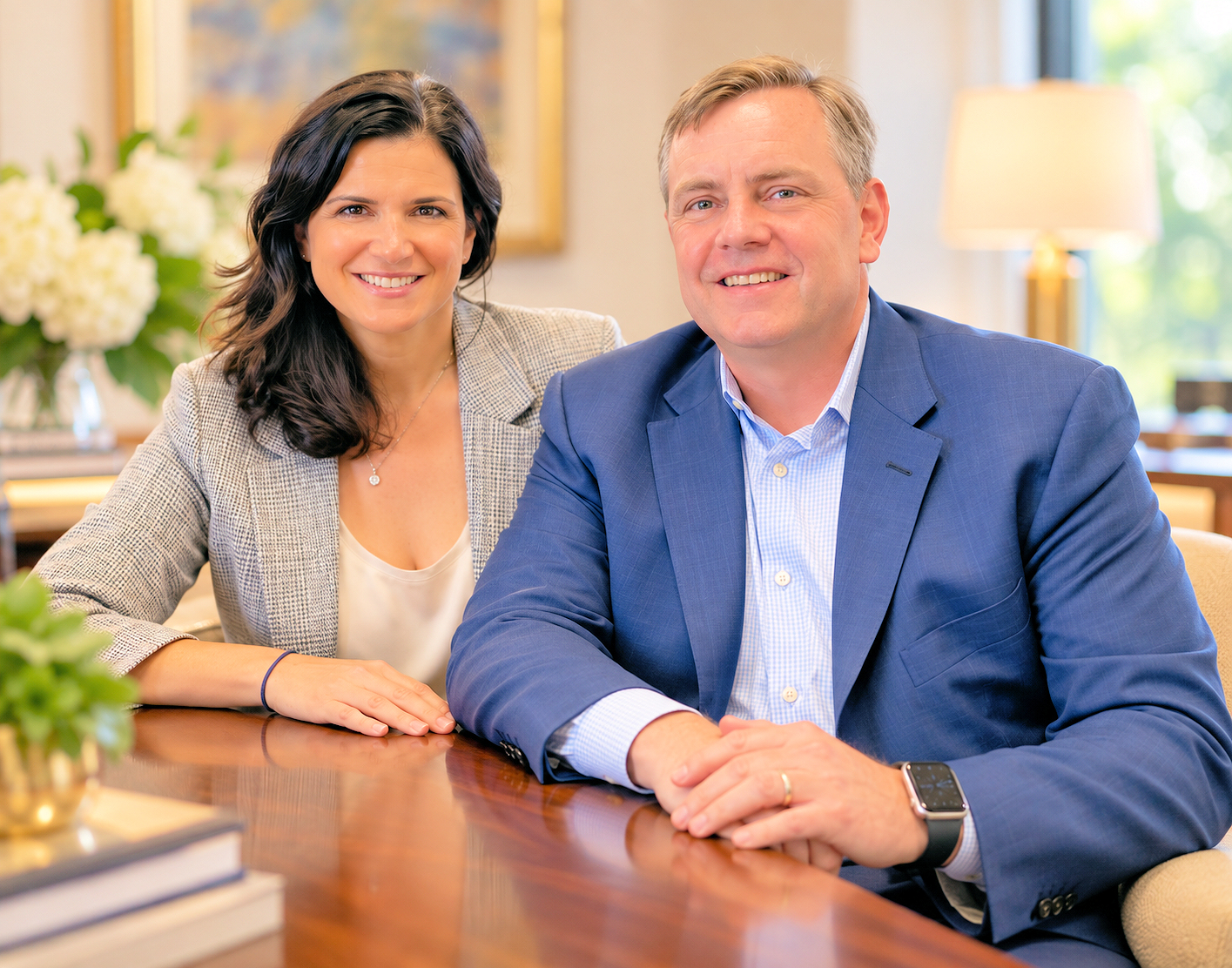
“Pets are members of our families, and they need veterinary care to live long, healthy lives,” Dave Duffield, co-founder of the Foundation, said in announcing the commitment. “For too many families, that care is not easy to find or afford. Big Bet for Pets is our way of investing in a stronger, more accessible safety net for these special animals.”
What distinguishes the announcement from the familiar rhythm of big-gift press releases is that money began moving the same day. Two funding opportunities launched immediately. The Duffield Boost Grants will distribute $2.5 million as 250 unrestricted-scale grants of $10,000 each to nonprofit community veterinary care providers nationwide—the kind of fast, modest, dignity-preserving capital that lets a small clinic buy a dental machine, cover a month of payroll, or say yes to a family it would otherwise have to turn away.
Alongside it, a $10 million pool of Expanding Access Grants will make significant multi-year commitments to established nonprofit clinics ready to scale their capacity. Details for both are posted at the Foundation’s site, with further investments and grant rounds to roll out across the five-year horizon.
The strategy runs on three tracks: direct support for community-based organizations, investment in research and other approaches to closing the care gap, and amplification of the clinics already doing this work largely out of public view. That third pillar is quieter than the first two, but it may prove the most catalytic. Fields grow when funders make them legible to other funders.
There is precedent for that hope. Big Bet for Pets explicitly builds on PetSmart Charities’ 2023 commitment of $100 million and that organization’s public call for more investment in the access-to-care crisis. A call answered at two-and-a-half times the original scale is how a cause stops being a niche concern and starts becoming a movement with infrastructure.
“The lack of access to affordable veterinary care is one of the most urgent and actionable challenges facing pets and the people who love them,” said Amy Mills, the Foundation’s vice president of access to care. “Through Big Bet for Pets, we are investing in a future where every pet has access to the veterinary care they need and every family can care for the animals they love”.
The word actionable is doing quiet work in that sentence. Some problems require decades of basic science before a dollar finds traction. This one does not. The medicine is known, the clinics exist, the veterinarians are trained and willing. What has been missing is the money to meet families where they are — and a funder patient enough to commit for five years rather than one news cycle.
Founded in 2016, the Dave & Cheryl Duffield Foundation works across three core areas: pairing veterans with service dogs, expanding access to care for companion animals, and strengthening local public service organizations.
It sits within a broader Duffield family of foundations that includes Maddie’s Fund and Liberty Dogs, a new service-dog training facility built for military veterans living with PTSD.
Together, the portfolio has an unmistakable coherence: it is about the bond between people and animals, and what becomes possible when that bond is properly supported.
Money at this scale is often described in the language of transformation, and the phrase has been worn smooth by overuse. But it is worth sitting for a moment with what $250 million actually looks like on the ground over five years. It looks like a vaccine clinic in a parking lot on a Saturday morning.
It looks like a spay surgery that happens this month instead of next year. It looks like a mother telling her kids the dog is going to be fine, and meaning it. Multiply that across tens of millions of animals and the arithmetic of a single generous decision becomes something closer to a public good.
The Duffields have called it a big bet.
On the evidence of the last thirty years, and of a launch day that came with checks already written, it looks less like a gamble than a conviction—that a pet’s health should not depend on a family’s bank balance, and that someone with the means to prove it ought to try.