
$15 million gift from Karen Waldron and Shawn Ricci to college of Veterinary Medicine
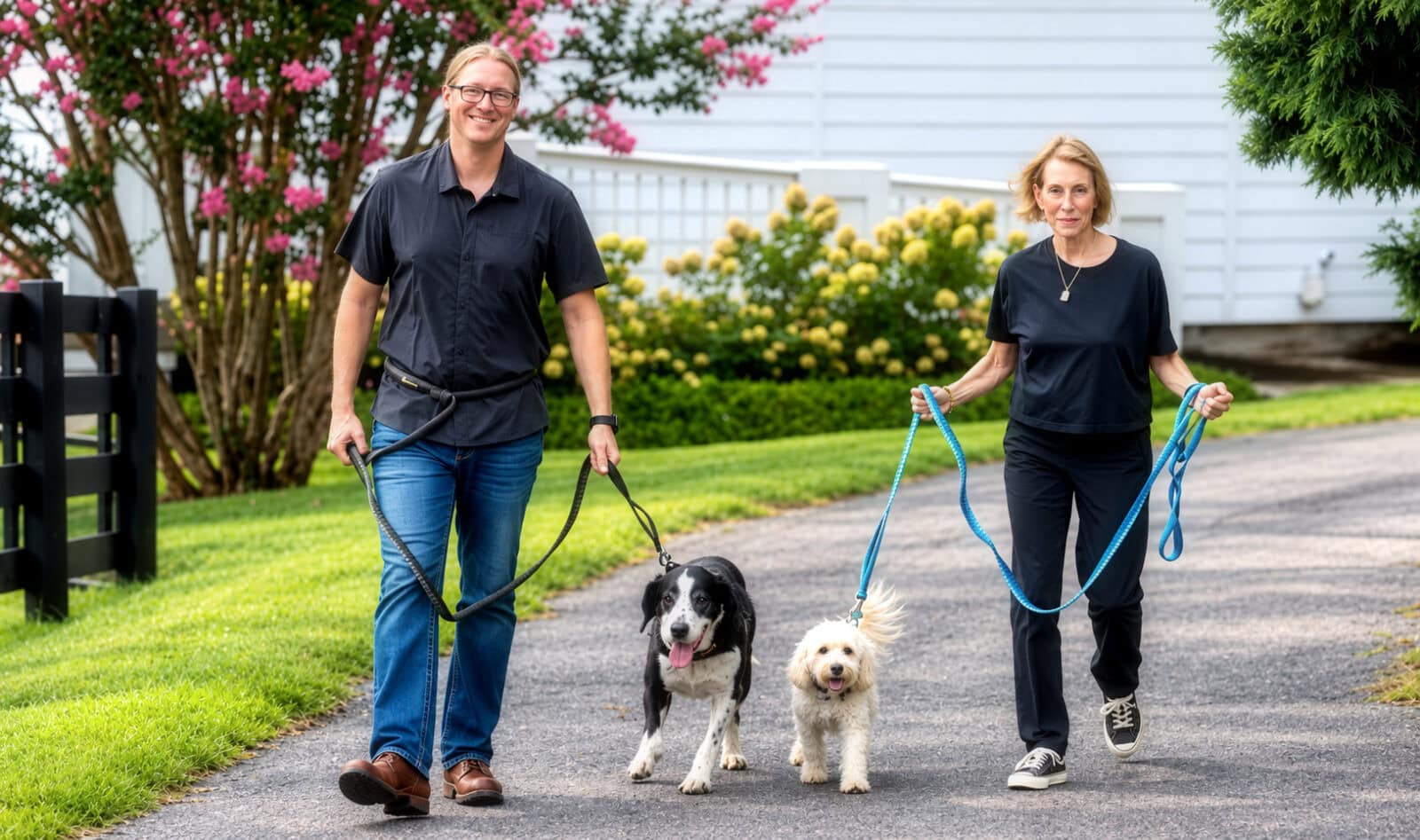
Virginia Tech has received a $15 million commitment from longtime animal advocates Karen Waldron and Shawn Ricci to strengthen cancer care for pets while expanding research that may ultimately benefit people as well.
The gift is the largest in the history of Virginia Tech’s Animal Cancer Care and Research Center in Roanoke and among the largest ever made to the Virginia-Maryland College of Veterinary Medicine.
It grows out of a deeply personal experience for the Shawsville couple, whose own animals have received lifesaving treatment through the center.
For Waldron and Ricci, Beckham, their 13-year-old cat, shaped the decision.
When he suddenly became uncoordinated and stopped eating and drinking, they feared they were about to lose him.
Dr. Joanne Tuohy, a surgical oncologist at the Virginia Tech center, identified tumors in Beckham’s ear and treated him successfully. He recovered fully.
Another member of the family, Lafayette, a dog abandoned near the couple’s farm, was also treated at the center after developing large lumps in his throat. The diagnosis was thyroid cancer.
Because the tumors were extensive, Ricci said Tuohy could not initially predict how the surgery would unfold.
Lafayette ultimately underwent removal of his thyroid and parathyroid glands, followed by additional treatment and chemotherapy.
Today, Ricci said, the dog is living what he described as “an absolutely fantastic life.”
The couple owns and operates Bent Tree Farm, a horse breeding and training operation in Shawsville, and has long supported veterinary medicine.
In 2025, they gave $4 million to expand Virginia Tech’s Veterinary Teaching Hospital in Blacksburg.
Their latest commitment is intended not only to honor the care their own animals received but also to make advanced treatment more accessible for families across Southwest Virginia and the surrounding region.
For many pet owners, a cancer diagnosis can bring an immediate logistical and financial strain. Specialty care may require long drives, hotel stays, time away from work, and complicated arrangements for children or other animals at home.
Ricci said having sophisticated care closer to home can ease a difficult period for families already facing fear and uncertainty.
The gift will be divided equally between clinical care and research. It will support endowments for three professorships in medical oncology, radiology, and surgical oncology, as well as the recruitment of a research director focused on translational cancer research.
The funding is also expected to support additional personnel and resources as the Roanoke center grows.
That growth could matter for the center’s current patients and for people who may benefit from discoveries made there.
Dogs, cats and other animals can develop cancers that closely resemble those found in humans.
Research involving naturally occurring cancers in companion animals can offer scientists valuable information about how tumors grow, respond to treatment, and recur.
Tuohy said relationships run both ways: what clinicians learn from animal patients can inform human cancer research, while advances in human oncology can also improve treatment for pets.
The center currently sees roughly seven to 10 new consultations each week. Chief Medical Officer Beatrix Manning said the new funding will let it expand its capacity and serve more patients.
For a region where specialized veterinary oncology has not always been readily available, the investment could mean fewer families must travel far from home to seek expert care.
- Daniel Givens, dean of the Virginia-Maryland College of Veterinary Medicine, said the gift will help the college recruit and retain the clinicians, technicians, and researchers needed to turn advanced facilities into meaningful care.
Buildings and equipment matter, he said, but the difference for patients and families comes from the people who bring both expertise and compassion to the work.
For Waldron and Ricci, the investment is rooted in that human connection as much as in science.
It reflects gratitude for the doctors who treated Beckham and Lafayette, confidence in a regional center that spared families a long journey during a crisis, and a belief that caring for animals can also help move cancer treatment forward for everyone.