
$800 million mega-gift after years of quiet, patient, unglamorous behind-the-scenes work by philanthropist Chris Hohn saves lives in the fight against HIV, tuberculosis, and malaria
There is a stadium in a small town called Secunda, in South Africa’s Mpumalanga province, where something quietly extraordinary happened on a Friday morning in June.
A twenty-one-year-old woman named Jane Mndebele stepped forward, received an injection from the country’s health minister, and became the first person in South Africa to receive a new twice-yearly shot that can protect her from HIV.
“I am excited,” she said afterward, and in that one small sentence sat the payoff of years of quiet, patient, occasionally unglamorous work by donors most people will never meet.
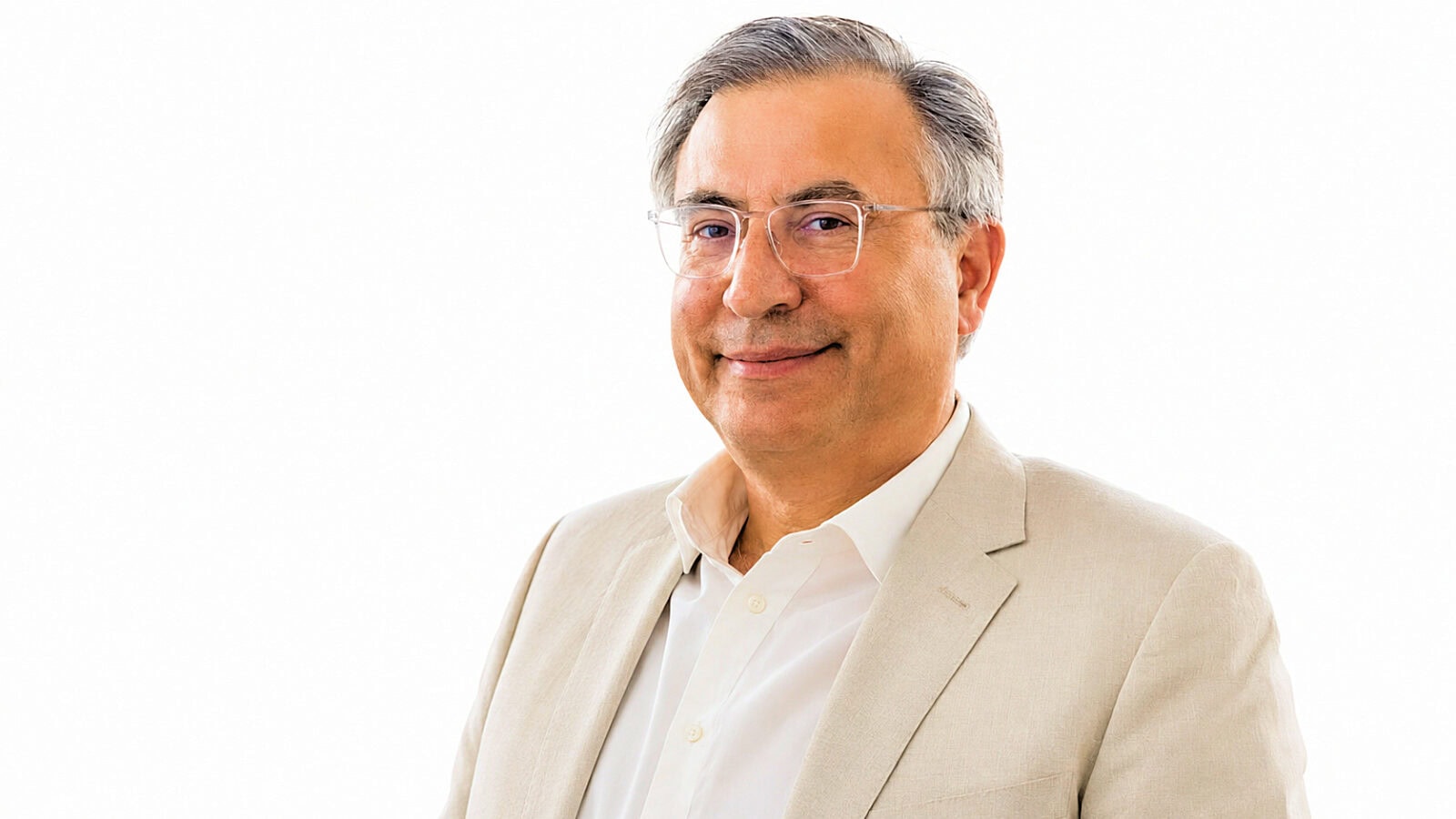
One of the biggest of those donors is a soft-spoken British hedge fund manager named Sir Chris Hohn, a man so private he spent years avoiding cameras entirely, who has nonetheless become one of the most generous individuals in the world.
Hohn built his fortune through TCI Fund Management, a hedge fund he founded more than two decades ago, and from the very beginning he set up a rule for himself: a meaningful share of the fund’s profits would go straight into a charity he created with his then-wife, Jamie Cooper, called the Children’s Investment Fund Foundation, or CIFF.
He has described the instinct behind it simply.
The money, he said, was never really his to keep.
That discipline has paid off in ways almost nobody could have predicted.
In 2025, Hohn’s fund had the best year any hedge fund has ever had, and it pushed nearly 800 million dollars into charitable giving that year alone, the majority of it landing at CIFF.
Guiding how that river of money actually gets spent is Kate Hampton, CIFF’s chief executive, a former climate policy advisor who has run the foundation since 2016.
She likes to describe CIFF’s approach as a kind of private equity for good causes: pick a handful of problems where a large, patient check can genuinely move the needle, and then stick with it.
One of those problems is the fight against HIV, tuberculosis and malaria, waged largely through an organization called the Global Fund.
In the spring of 2025, CIFF became the very first donor, public or private, to step forward for the Global Fund’s newest three-year funding round, pledging 150 million dollars, five times its previous gift, specifically to help expand a promising new HIV prevention shot.
A few months later, the foundation added another 50 million dollars, its first-ever investment in tuberculosis diagnosis.
Then, that November, at a major summit in Johannesburg, CIFF came back once more with an additional 135 million dollars, bringing its total fresh commitment to 200 million dollars in just one giving cycle.
CIFF was not giving alone.
At that same Johannesburg gathering, the United States pledged 4.6 billion dollars to the very same cause, keeping America in its long-standing position as the Global Fund’s single largest backer, even amid a broader pullback from many other international commitments.
It was a moment that surprised a lot of people in the global health world, who had feared Washington might step back further than it did, and instead found the country renewing its role as an anchor donor.
The American connection runs even deeper once you look at the medicine itself.
The injectable HIV prevention shot at the center of all this giving, called lenacapavir, is made by an American company, Gilead Sciences, based in California, and it was approved for use in the United States in the summer of 2025.
Soon after, the U.S. State Department, Gilead and the Global Fund struck a partnership to deliver the drug at no profit to up to two million people in the countries that need it most, a number that was later expanded to three million.
Gilead’s chief executive, Daniel O’Day, put it simply: the company wanted to help get this medicine to the people who needed it most, as quickly as possible.
By that November, the very first doses had already landed in Eswatini and Zambia, arriving in Africa the same year they became available anywhere else in the world, a remarkable turnaround for a brand-new medical breakthrough.
It’s worth pausing on how unusual that timeline really is.
Life-saving medicines have historically taken years, sometimes a decade or more, to reach the African countries that need them most.
This time, thanks to a coalition that included an American pharmaceutical company, an American government program, a global health fund, and a British philanthropist’s foundation all moving in the same direction at the same time, that gap nearly disappeared.
Along the way, CIFF also drew some scrutiny back home in the United States over funding it had provided to a number of American advocacy groups working on climate issues, prompting the foundation to shift its domestic giving strategy and focus that money elsewhere.
But its far larger, faster-growing global health commitments, the ones actually funding shots like the one Jane Mndebele received, kept expanding right through that period, a signal of just how central this work has become to the foundation’s mission.
By the time the rollout reached South Africa in June, the country with the largest HIV epidemic in the world, the program aimed to eventually reach three million people within three years, funded jointly by the Global Fund, CIFF and the South African government working side-by-side.
Watching a young woman named Jane Mndebele become the very first person in her country to receive the shot, it was hard not to see the through-line: a private fortune built in London, a scientific breakthrough made in California, a government program run out of Washington, and a health ministry in Pretoria, all quietly converging on one stadium, one injection, and one young woman’s hopeful smile.