
$1 billion for conservation and regional opportunity awarded ahead of schedule under Mellon family stewardship
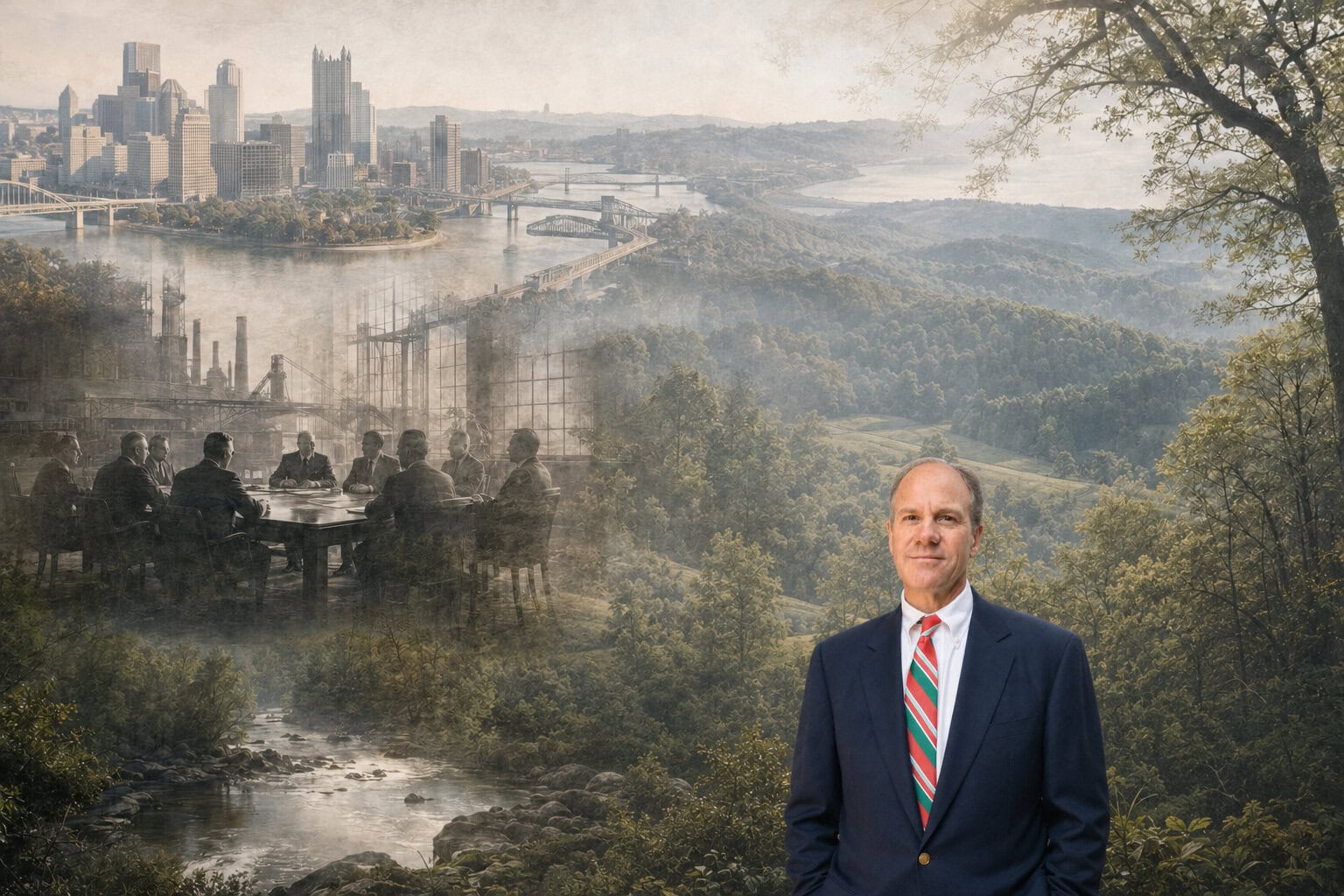
For nearly eight decades, the immensely private Mellon family has treated philanthropy as a long-term obligation rather than a public performance.
That approach produced another measurable result recently when the Richard King Mellon Foundation announced it had already awarded more than $1 billion in grants and program-related investments under its 2021–2030 strategic plan—three years ahead of schedule and now on pace to exceed $1.5 billion by the end of the decade.
The foundation was created in 1947 by Richard King Mellon, the Pittsburgh banker and industrialist who helped reshape the city after World War II and who maintained a parallel commitment to land conservation.
His wife, Constance Prosser Mellon, chaired the board in its early years.
Subsequent generations kept the work largely out of the headlines while steadily expanding both the endowment and the geographic reach of the grantmaking.
Cumulative giving has now surpassed $3.7 billion.
Today the same family remains firmly in control.
Richard A. Mellon, a grandson of the founder, serves as chairperson and chief executive officer, roles he assumed in 2019. Catharine Mellon Cathey, also a grandchild, is President.
Both have maintained the family’s preference for limited personal publicity while overseeing a period of accelerated disbursements made possible by strong investment returns.
The board itself continues to be populated primarily by Mellon descendants, among them Alison M. Byers, W. Russell G. Byers Jr., Armour N. Mellon, and Constance Elizabeth Mellon Kapp, with Seward Prosser Mellon serving as Trustee Emeritus.
Among the family members still actively involved, Alison M. Byers, born in 1967, is the youngest. The daughter of Constance Barber Mellon and William Russell Grace Byers, she represents the next generational link in a line that has kept the foundation under family stewardship for nearly 80 years.
Her presence on the board, alongside her brother and other cousins, underscores the deliberate continuity the family has maintained across decades.
Day-to-day direction rests with Sam Reiman, Director and Trustee since 2019 and 2020, respectively.
A professional rather than a family member, Reiman has operated within the parameters set by the board. In the July 22 announcement he pointed to “exceptional investment-management performance” as the reason the foundation could move well ahead of its original timeline.
Of the more than $1 billion already committed, the largest shares supported economic development and mobility in Southwestern Pennsylvania and environmental conservation across the United States—priorities that have remained consistent across generations of Mellon leadership.
With assets in the range of $3.3–3.5 billion and a deliberately lean staff, the foundation continues to function as an instrument of family stewardship rather than a platform for individual visibility.
The early attainment of the $1 billion mark is less a sudden breakthrough than the latest evidence of a multi-generational pattern: patient capital, focused priorities, and a preference for results over recognition.