
$500 million over the next decade to fuel justice and equity work, announced by Dr. Carmen Rojas
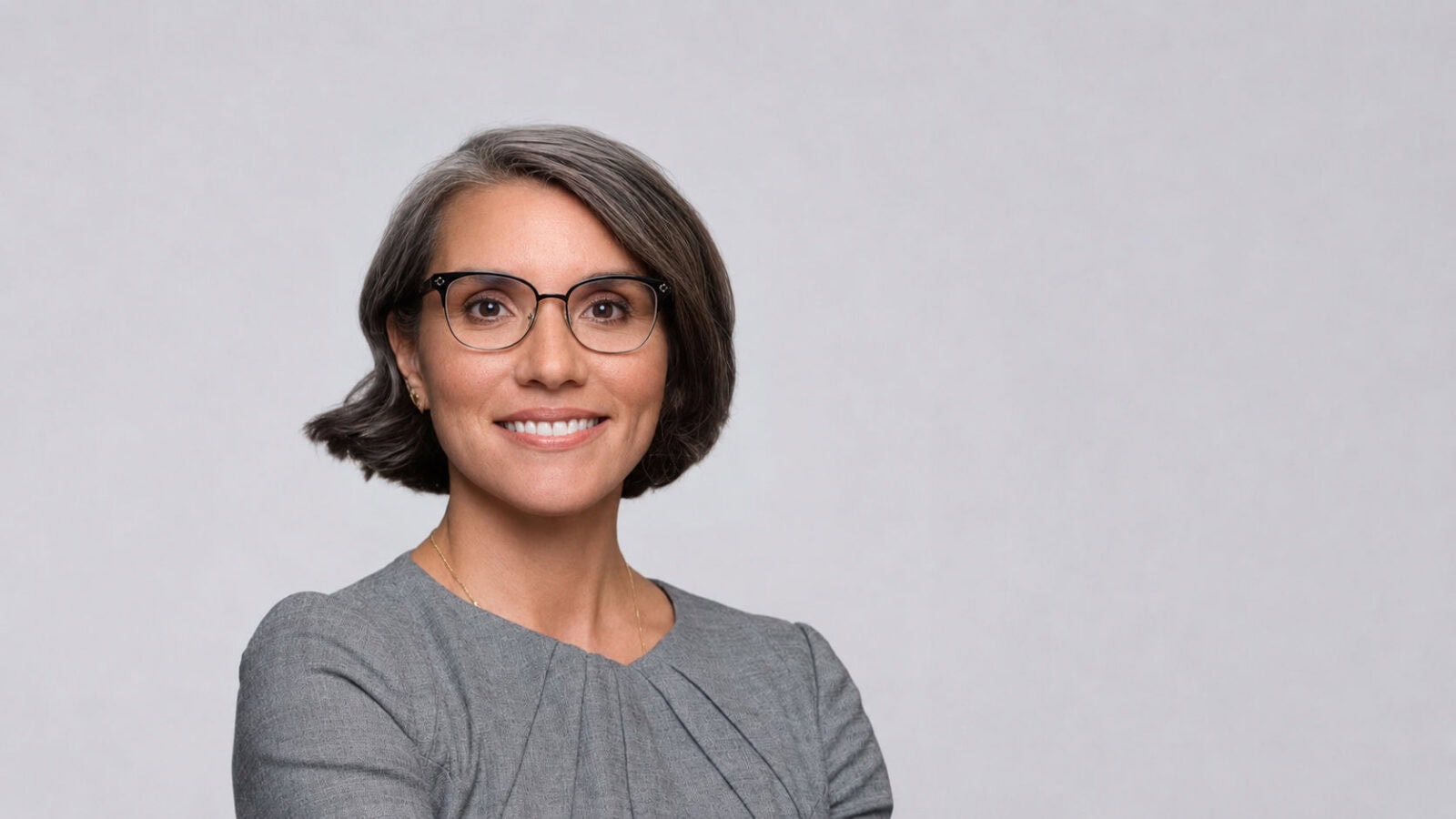
Dr. Carmen Rojas, the Seattle-based leader of the Marguerite Casey Foundation, recently announced that they’re committing to give away at least $500 million over the next ten years.
That’s a baseline of around $50 million a year in grants to nonprofits, with the possibility of even more when their investments perform well.
It’s about a 50 percent step up from their recent-year average, and it comes with new board members like author Ta-Nehisi Coates and journalist Paola Ramos to help guide the work.
The Marguerite Casey Foundation grew out of the Casey family legacy—tied to UPS founder Jim Casey and his sister Marguerite, for whom it’s named.
The person driving this effort is Dr. Carmen Rojas, the foundation’s president and CEO.
A sociologist with deep roots in community organizing and research, Rojas has been steering the foundation since 2020 toward faster, bolder giving.
She sees this pledge as common sense in tough times—foundations have money and a responsibility to use it when communities need support most.
“Our duty to our mission has to come first,” she has said, drawing from their experience in 2025 when they dipped into the endowment to give $130 million.
That move showed her that being responsible in the long term doesn’t mean holding back when the moment calls for action.
Since 2001, the foundation has focused on helping leaders in excluded communities build real power to shape their own futures, rather than just providing short-term help.
They give flexible, multi-year operating support to organizations working on economic justice, democratic participation, and family strength.
This new commitment stands out because many big gifts go to universities or hospitals for specific buildings or programs. MCF is betting on movements instead—steady funding for grassroots groups and ideas that shift how society works.
In a year when many nonprofits feel squeezed by policy changes and rising needs, Rojas and her team want their foundation to be a steady partner that acts with urgency while staying smart about its resources.
They also plan to make some mission-aligned investments to further stretch their impact.
For anyone following philanthropy — especially donors, nonprofit leaders, or those interested in equity and long-term change — this is a meaningful signal. It’s not flashy in the way some billion-dollar university gifts can be, but it’s practical and human-centered: using family wealth built generations ago to back today’s communities fighting for a fairer shot.
Under Rojas’s leadership, the foundation is trying to show that philanthropy can move more quickly without losing its staying power.
As Coates and Ramos join the board, expect the work to keep blending strong ideas, storytelling, and on-the-ground organizing.
In a world that often feels divided, this kind of sustained commitment from a foundation with roots in one of America’s great companies feels like a quiet but determined push for something better.