
$10 million donation from Mike and Gillian Goodrich to university is a targeted intervention in healthcare gaps
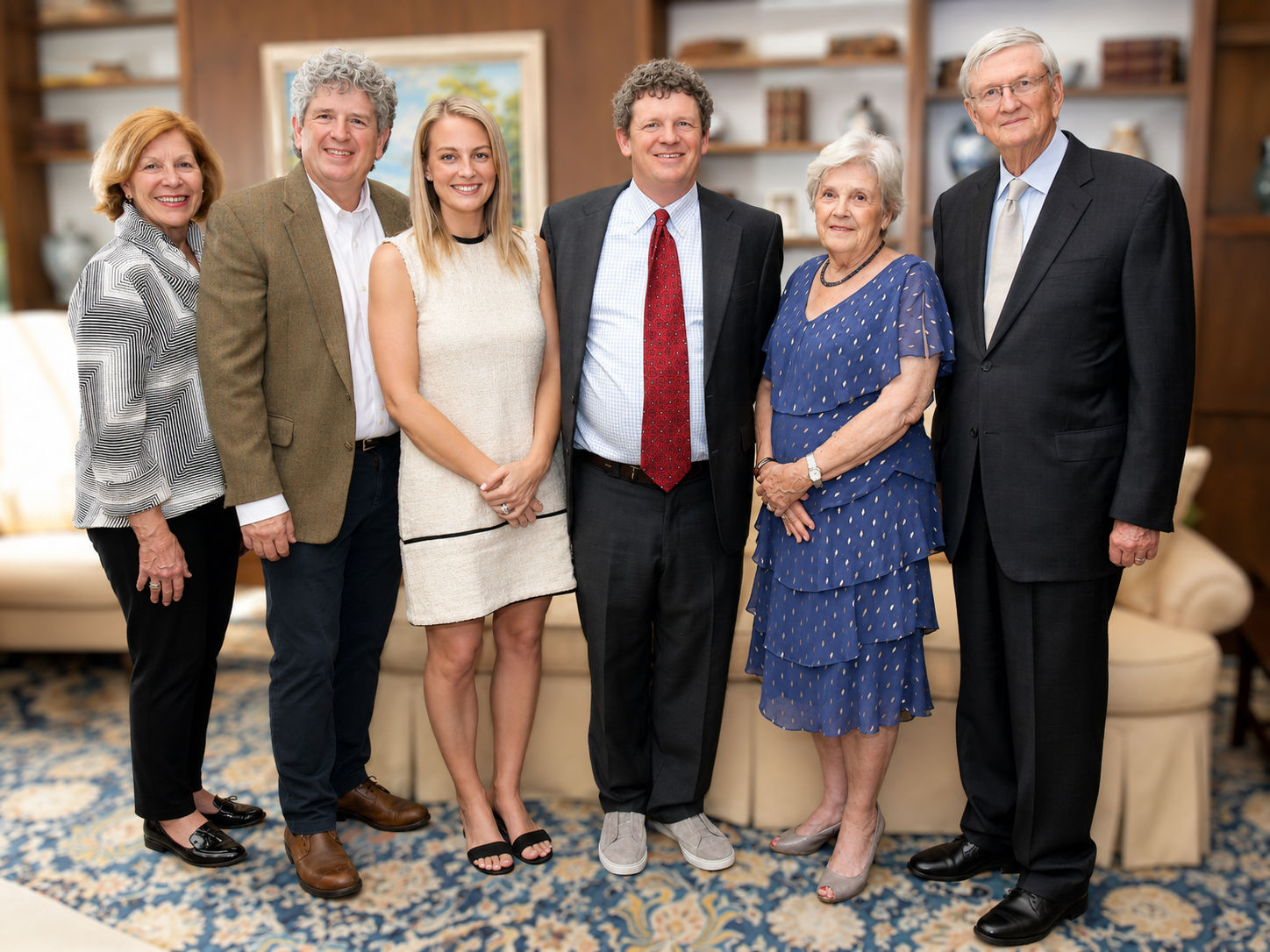
A $10 million commitment from Mike and Gillian Goodrich to the University of Alabama at Birmingham’s Marnix E. Heersink School of Medicine marks both a targeted intervention in one of the country’s most persistent healthcare gaps and the latest expression of a family’s growing philanthropic footprint in Alabama.
The gift establishes Goodrich Rural Innovation in Training for Alabama, or GRIT, a statewide effort designed to expand access to primary care by training physicians where they are most needed and providing reasons for them to stay.
For the Goodrich family, the investment reflects a sustained concern about the structural decline of rural healthcare across the state. In many Alabama communities, access to care is defined less by availability than by distance, with routine appointments requiring long travel times and preventive services often delayed or missed entirely.
The closure or downsizing of small-town hospitals has compounded the strain, leaving entire regions with limited or inconsistent access to primary care physicians.
Against that backdrop, the Goodriches’ $10 million gift stands as a significant infusion of private capital into a system under pressure, aimed not at short-term relief but at long-term capacity building.
Their approach is notably comprehensive. Rather than funding a single facility or program, the Goodriches have underwritten an interconnected pipeline that spans education, training, and practice.
GRIT will support scholarships for medical students, expand rural residency programs, invest in clinic infrastructure, and, pending approval, establish an endowed chair in rural health and primary care.
The design reflects a clear understanding of one of the most persistent truths in medical workforce development: physicians are far more likely to practice near where they complete their training.
By embedding residents in rural communities from the outset, the program seeks to create a durable, self-reinforcing system that gradually rebuilds the state’s primary care base.
While this $10 million commitment is the most visible articulation of the Goodrich family’s philanthropy to date, it also signals a broader pattern in contemporary high-net-worth giving—one that prioritizes systems-level change over episodic contributions.
Rather than dispersing smaller gifts across multiple causes, the Goodriches have concentrated their resources on a single, deeply researched initiative in partnership with an institution capable of executing at scale.
Their collaboration with UAB, and particularly with leaders such as Dr. Anupam Agarwal and Dr. Irfan Asif, underscores a hands-on, partnership-driven model of philanthropy that aligns donor intent with institutional expertise.
The scale of the gift places the Goodrich family among a cohort of donors increasingly focused on rural health equity, a space that has historically attracted less philanthropic attention than urban medical centers or disease-specific research. In Alabama, where the state ranks near the bottom nationally in access to primary care, the need is especially acute.
The Goodriches’ funding not only supports new physicians entering the field but also strengthens the existing practices that will train them, addressing practical barriers that often go overlooked, from technology upgrades to the added burden placed on rural clinicians who serve as mentors.
Importantly, the family’s giving acknowledges that financial barriers play a decisive role in shaping medical careers. By directing substantial resources toward scholarships and debt relief, the Goodriches are attempting to shift the economic calculus that often steers graduates away from primary care and toward higher-paying specialties or urban markets.
In doing so, their philanthropy extends beyond infrastructure into the personal decision-making of future physicians, influencing where and how care will be delivered for years to come.
Though the long-term outcomes of GRIT will take time to measure, the ambition is clear: to create a sustainable pipeline that not only produces physicians but also anchors them within the communities they serve.
Success, as defined by program leaders, will not be measured solely by the number of doctors trained but by improvements in health outcomes—lower rates of chronic disease, reduced mortality, and a diminished need for patients to travel long distances for basic care.
Within the broader context of philanthropic giving, the Goodrich family’s $10 million investment represents both a substantial standalone contribution and a strategic commitment to systemic change. It reflects a form of modern philanthropy that is less about naming opportunities and more about measurable impact, less about episodic generosity and more about building enduring frameworks.
If successful, GRIT will not only reshape access to care in rural Alabama but also serve as a model for how targeted, high-conviction giving can address deeply entrenched public health challenges.