
$20 million latest gift to university from Suzanne Labarge for aging research raises her giving to over $62 million
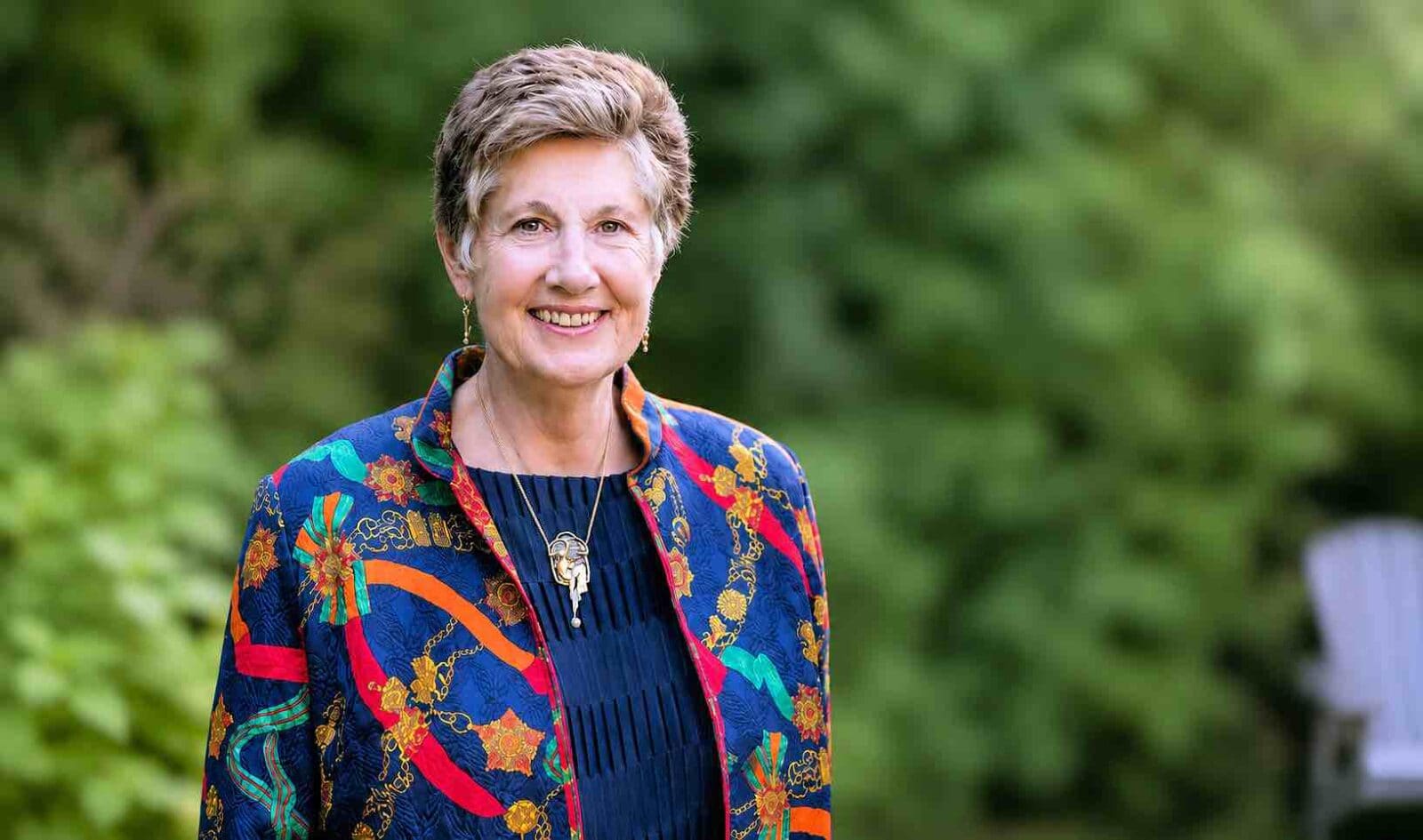
Suzanne Labarge is deepening one of Canada’s most consequential philanthropic commitments to aging research, announcing a new $20 million gift to McMaster University that will expand the country’s capacity to respond to a rapidly shifting demographic reality.
With nearly one in four Canadians projected to be over the age of 65 within the next decade, the scale and urgency of that challenge are becoming impossible to ignore.
Labarge’s latest investment—bringing her lifetime giving to McMaster to more than $62 million—positions the university at the forefront of a global effort to redefine how societies understand, support, and sustain healthy aging.
The gift will accelerate work within the McMaster Institute for Research on Aging (MIRA), an interdisciplinary ecosystem that has quietly become one of the world’s most influential hubs for aging research.
Drawing together more than 200 researchers across six faculties, MIRA integrates biological, clinical, psychological, social, and environmental perspectives—an approach increasingly seen as essential in addressing the complex realities of later life. Labarge’s funding will specifically strengthen two cornerstone initiatives: the Labarge Center for Mobility in Aging and the MIRA Dixon Hall Center, both of which exemplify a research model that extends beyond academic discovery to practical, lived impact.
For Labarge, a former McMaster chancellor and longtime advocate for evidence-based philanthropy, the investment reflects a consistent philosophy: research must ultimately improve lives.
That conviction has shaped nearly three decades of giving to the university, beginning in 1996 and evolving into a strategic portfolio that includes endowed chairs, research programs, and knowledge translation platforms.
Her latest contribution reinforces that trajectory, with a focus not only on advancing scientific understanding but also on ensuring that insights reach older adults, caregivers, health systems, and policymakers in meaningful ways.
At the Labarge Center for Mobility in Aging, the emphasis is on one of the most powerful predictors of health and independence in later life: the ability to move through the world safely and confidently.
Since its founding in 2016 through an earlier gift from Labarge, the center has reframed mobility as more than a physical function, recognizing its deep connections to cognitive health, social engagement, and overall quality of life.
New funding will allow researchers to build on that foundation using advanced data platforms and emerging technologies, including artificial intelligence and machine learning, to identify early signs of decline, anticipate risk, and design personalized interventions that can extend independence for older adults.
Equally significant is the continued expansion of the MIRA Dixon Hall Center in Toronto’s downtown east, where research is embedded directly within a community facing some of the most acute challenges associated with aging, including poverty, housing insecurity, and social isolation.
In partnership with Dixon Hall, one of the city’s largest social service organizations, the center has developed a model that begins not in the lab but in lived experience.
Older adults themselves help shape research priorities, ensuring that findings reflect the realities of those most often excluded from traditional studies. The approach has created new pathways for community-informed policy and program development, particularly for equity-deserving populations whose voices have historically been underrepresented.
This dual focus—cutting-edge scientific inquiry alongside deeply rooted community engagement—has become a defining feature of McMaster’s aging research strategy. It is also a reflection of Labarge’s long-standing emphasis on translation: the movement of knowledge from theory into practice.
Over the years, her philanthropy has supported initiatives such as the McMaster Optimal Aging Portal and the Aging Brain Research Program, both designed to bridge the gap between discovery and application. The cumulative effect has been to help shape not only a research institution but also an entire field of study that increasingly informs healthcare delivery, public policy, and societal attitudes toward aging.
University leadership points to Labarge’s foresight as a critical factor in that evolution. Long before aging became a central concern in national policy discussions, she recognized its implications for healthcare systems, economies, and communities.
Her investments have consistently targeted areas with the potential for long-term impact, from foundational research infrastructure to collaborative networks that span disciplines and sectors. Today, that vision is reflected in a research ecosystem that is both globally respected and locally grounded.
As Canada confronts the realities of an aging population, the importance of such work will only intensify. Questions of how to maintain independence, reduce healthcare burdens, and ensure dignity in later life are no longer abstract—they are immediate and deeply personal for millions of families.
Labarge’s latest gift underscores a belief that these challenges can be met not through isolated breakthroughs but through sustained, coordinated efforts that bring together science, community insight, and policy innovation.
For McMaster, the funding represents both a continuation and an inflection point: a chance to build on decades of momentum while expanding the reach and relevance of its work.
For Labarge, it is another step in a philanthropic journey defined by intentionality and impact.
And for the broader landscape of aging research, it signals a growing recognition that the future of longevity will depend not only on how long people live but also on how well.