
Fifth generation philanthropist Maria Ahlström‑Bondestam leads a new era of purpose‑driven, systemic giving
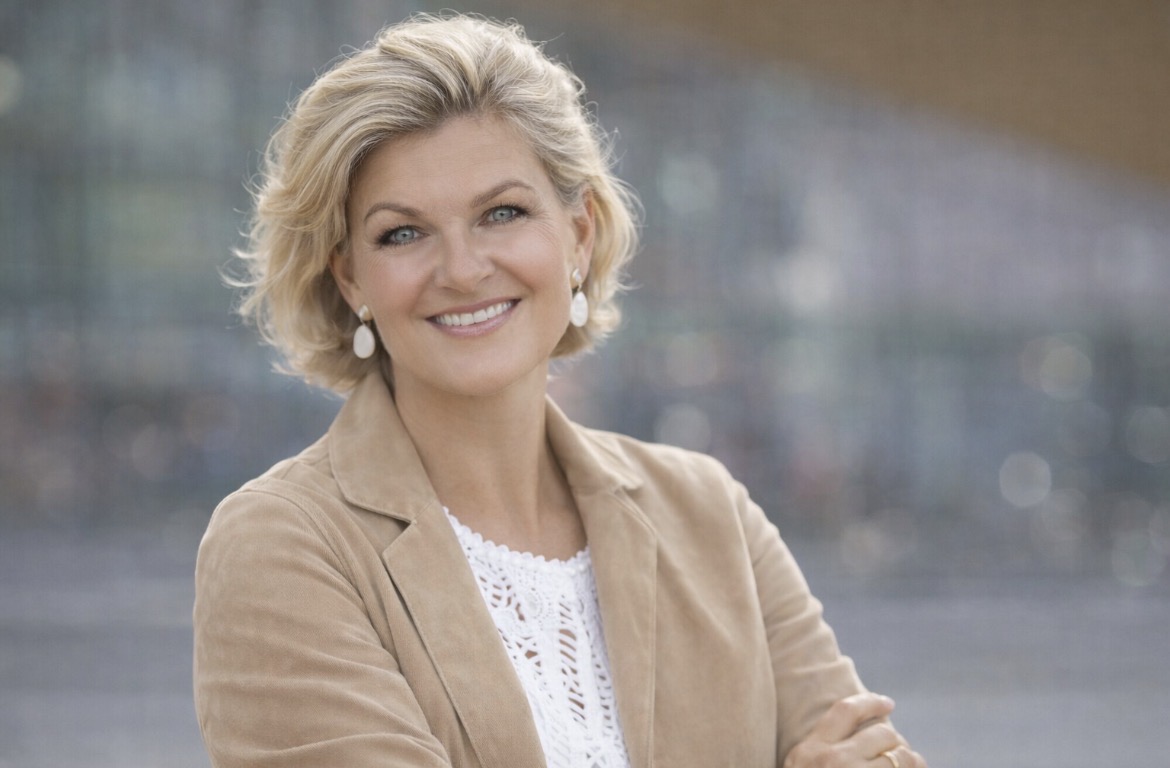
The Ahlström family, one of Finland’s most storied industrial dynasties, is emerging as a low-key but influential force in philanthropy, using its wealth, networks, and reputation to push beyond traditional grantmaking and into systemic change.
The family’s flagship collaborative platform has channeled millions into global education initiatives since 2020, alongside hundreds of thousands of euros in annual grants from other Ahlström family foundations to research, education, and social causes, underscoring a multi‑million‑euro philanthropic commitment in recent years.
Chaired by fifth‑generation family member Maria Ahlström‑Bondestam, the Eva Ahlström Foundation sits at the heart of this giving architecture.
Co‑founded by Maria, it positions itself not as a check‑writing charity but as a catalyst for collaboration and structural change, particularly in partnership with a growing network of Ahlström‑linked companies.
Rather than focusing on one‑off projects, the family is building multi‑year, themed commitments that now span Finland and a number of developing countries, with an emphasis on education, youth empowerment, and sustainable development.
Maria’s own view of wealth was shaped early. As she recalls, when she asked her father at age five whether a king could eat all the ice cream in the world, he replied that a “good king” would teach his children how to make ice cream so that everyone could enjoy it.
Two years later, when a slide broke in her playground, her father encouraged her to write to the president of Finland; the president replied in his own hand, and the slide was repaired.
What stayed with her was less the fix than the feeling that her voice mattered. Those childhood lessons—that power should be used to multiply opportunity and that individuals can act on systems—now underpin the family’s philanthropy.
In practice, the Ahlströms are aligning with a growing movement among wealthy families who believe that money alone is not enough to change systems. A study from the Center for Sustainable Finance and Private Wealth at the University of St. Gallen and the MIT Sloan Sustainability Initiative, “The Investor’s Guide to Multicapital Strategies,” has given language to this shift by distinguishing between economic, social, cultural, and symbolic capital.
Economic capital covers financial assets and property; social capital refers to networks and relationships; cultural capital captures skills, knowledge, and experience; symbolic capital encompasses reputation and credibility.
The report argues that modern capitalism privileges money and largely ignores these other forms of capital, even though they often determine whether an initiative succeeds.
The Ahlström family has effectively turned this framework into an operating model. Economic capital still underwrites their philanthropy: the family’s industrially derived wealth flows into the Eva Ahlström Foundation, the Walter Ahlström Foundation, and related vehicles, providing the funding base for grants and program investments.
Since 2020, their primary collaborative platform has contributed millions to global education initiatives, with yearly investments in the high-six- to low-seven-figure range. In recent years, the Walter Ahlström Foundation has awarded mid-six-figure amounts in research grants and scholarships.
Although no single public source aggregates all of the family’s giving across entities, the pattern is clearly one of recurring, structured, multi-million-dollar commitments.
Social capital – the ability to convene and connect – is increasingly central. Through decades of industrial activity, the family has built deep networks across Nordic business, European policy circles, and international development organizations.
The Eva Ahlström Foundation has drawn on those connections to build Ahlström Collective Impact together with A. Ahlström and a group of affiliated companies.
The model brings together businesses such as Ahlstrom, Glaston, Suominen, and others on a single platform focused on education and the welfare of children and young people worldwide. Rather than acting as a solo donor, the family positions itself as a host, using its relationships to attract co‑funders and “unusual allies” who might not otherwise share the same table.
Cultural capital – the skills and experience accumulated over generations of industrial entrepreneurship – is also being deliberately brought into play.
The Ahlström companies have long experience in governance, sustainability transitions, and international operations. Those capabilities are now being shared with partners, especially in emerging-market programs, where the foundations and family members contribute strategic advice, governance support, and management know-how in addition to money.
In areas such as education and youth empowerment, this can mean helping local organizations build stronger leadership, financial management, and long‑term planning capacity, with the aim of leaving behind institutions that can sustain impact after the initial funding rounds.
Symbolic capital, finally, is the family name itself and the credibility that comes with more than a century of industrial history. In today’s philanthropic landscape, the Ahlström brand serves as a form of risk‑sharing: its presence can make it easier for partners to experiment with new models and for international organizations to attract corporate participation.
Maria Ahlström‑Bondestam has also begun to make that symbolic capital visible through thought‑leadership roles and participation in research, such as the multicapital strategies guide, using her platform to advocate for a broader understanding of what wealthy families can bring to the table.
The St. Gallen and MIT Sloan guide encourages wealth holders to undertake a “capital inventory,” asking what they possess, what they can share, and what they lack across all four capital types.
The Ahlströms have effectively institutionalized that exercise. Before launching or joining an initiative, the family looks not only at the size of the check but also at the reputational weight, networks, and expertise it can credibly deploy, and which pieces must come from partners on the ground.
It is a shift from viewing philanthropy as a transfer of money to viewing it as the deployment of a legacy family’s full balance sheet.
Taken together, the Ahlström family’s recent giving can be described in two dimensions: in euros, a steady stream of multi-million-commitments through their collective platform and family foundations; and in less visible capital, a deliberate use of networks, know-how, and reputation to push for long-horizon, systemic change.
For Maria Ahlström‑Bondestam, it is a modern expression of a lesson first given to a five‑year‑old: real power is not in how much you can take, but in how much you can teach, share, and build with others.