$6.25 Billion historical commitment: Lifestyles Magazine/Meaningful Influence cover subjects, mega-philanthropists Michael and Susan Dell seed 25 million “Trump Accounts” to give American children a first real stake in their financial futures
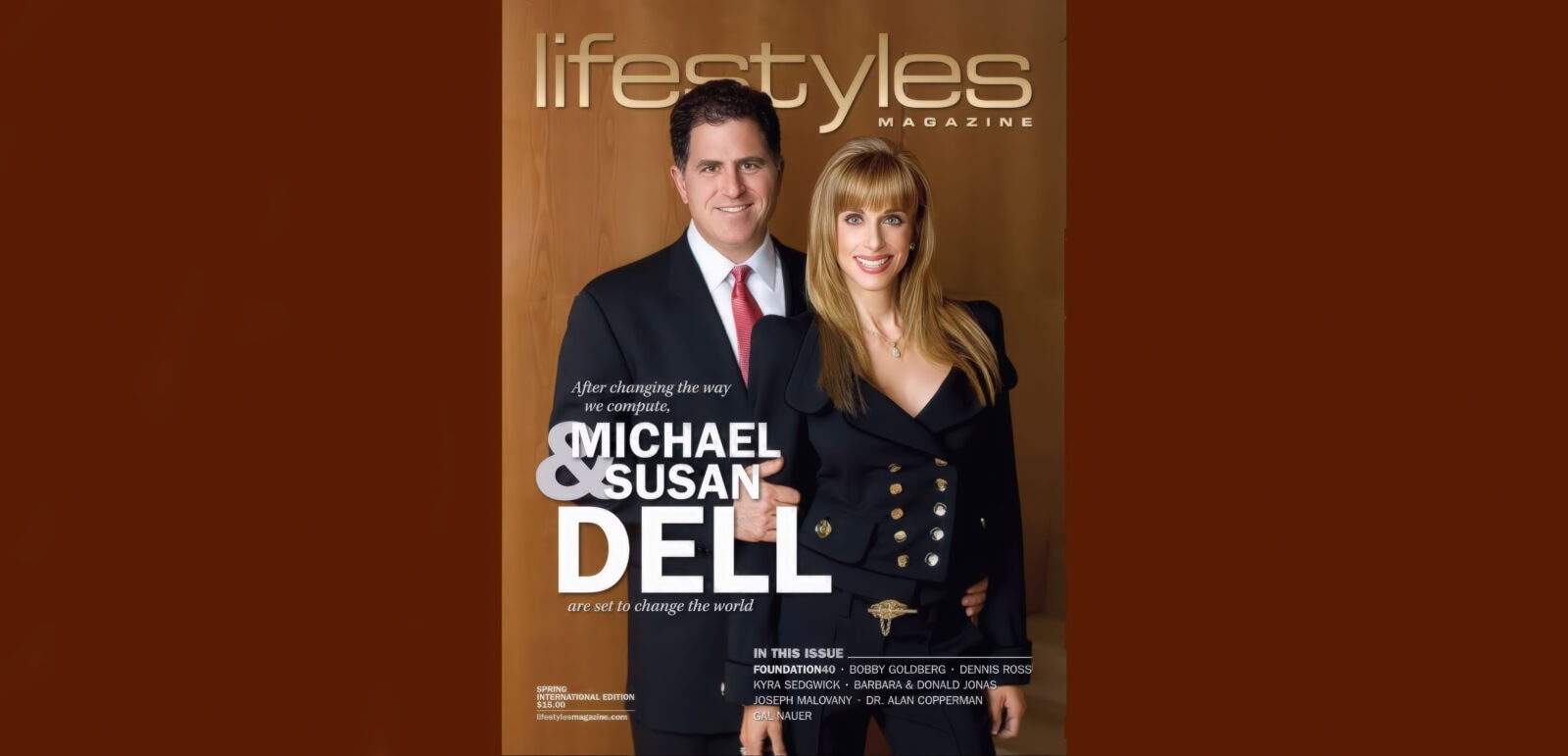
Lifestyles Magazine/Meaningful Influence cover subjects Michael and Susan Dell have pledged an unprecedented $6.25 billion to give at least 25 million American children a real financial stake in their own futures, marking one of the largest single private commitments ever made to U.S. children.
The gift, announced on Giving Tuesday, is designed to seed eligible kids’ investment accounts with $250 each, encouraging families to open and grow long-term savings for their children.
The Dells’ extraordinary $6.25 billion commitment is specifically aimed at older children—those age 10 and under who do not qualify for the separate $1,000 newborn grant—by depositing $250 into 25 million such accounts, with a focus on low-income ZIP codes and underserved communities.
Few modern charitable pledges have crossed even the $1 billion threshold, making a $6.25 billion commitment stand out not just for its size but also for its targeted, structural design. The Michael & Susan Dell Foundation has previously committed roughly $2.8–2.9 billion globally to education, health, and family economic stability, meaning this single pledge more than doubles all of their past giving combined.
Trump Accounts are long-term investment accounts created for children, allowing money to grow for many years with favorable tax benefits.
The funds are typically invested in diversified, low-fee index funds so they can build steadily over nearly two decades. Families, employers, and philanthropies can contribute up to about $5,000 per year per child (adjusted over time), and some employer or charitable contributions may receive special tax advantages.
The money generally stays locked in the account until the child turns 18, except for limited circumstances, and can then be used for major life milestones such as education, buying a home, or starting a business—potentially reaching a significant value if regular contributions are made and markets perform well.
Michael Dell has said he was inspired in part by investor Brad Gerstner and by the idea that every child should “see a future worth saving for,” framing the pledge as an investment in hope, opportunity, and broad-based prosperity rather than a one-time charitable gesture. Susan Dell has emphasized the emotional signal to children, stressing that families, communities, and the wider society are all visibly rooting for them through these seeded accounts.
By choosing a mechanism that touches tens of millions of children simultaneously, the Dells are effectively turning philanthropy into a universal wealth platform layered on top of a broad savings initiative, rather than a narrow, program-specific grant. They have also called on other philanthropists and corporations to follow suit—inviting matching contributions, employer deposits, and community campaigns that could further amplify the balances in kids’ accounts over time.
Since its founding in 1999, the Michael & Susan Dell Foundation has focused on pathways for children and families to achieve education, health, and economic mobility, from the Dell Scholars program for first-generation college students to large-scale initiatives in India, South Africa, and the United States.
Its grants and impact investments have supported school systems, health innovation, and financial inclusion, often targeting low-income urban communities and aiming for measurable, long-term outcomes.
This new $6.25 billion pledge represents an evolution of that strategy: rather than only funding institutions or programs, it directly capitalizes individual children’s accounts at national scale, delivering opportunity account by account.
In doing so, it signals a bold model for 21st‑century philanthropy—one where ultra-large gifts are designed to build assets, agency, and economic dignity for an entire generation.
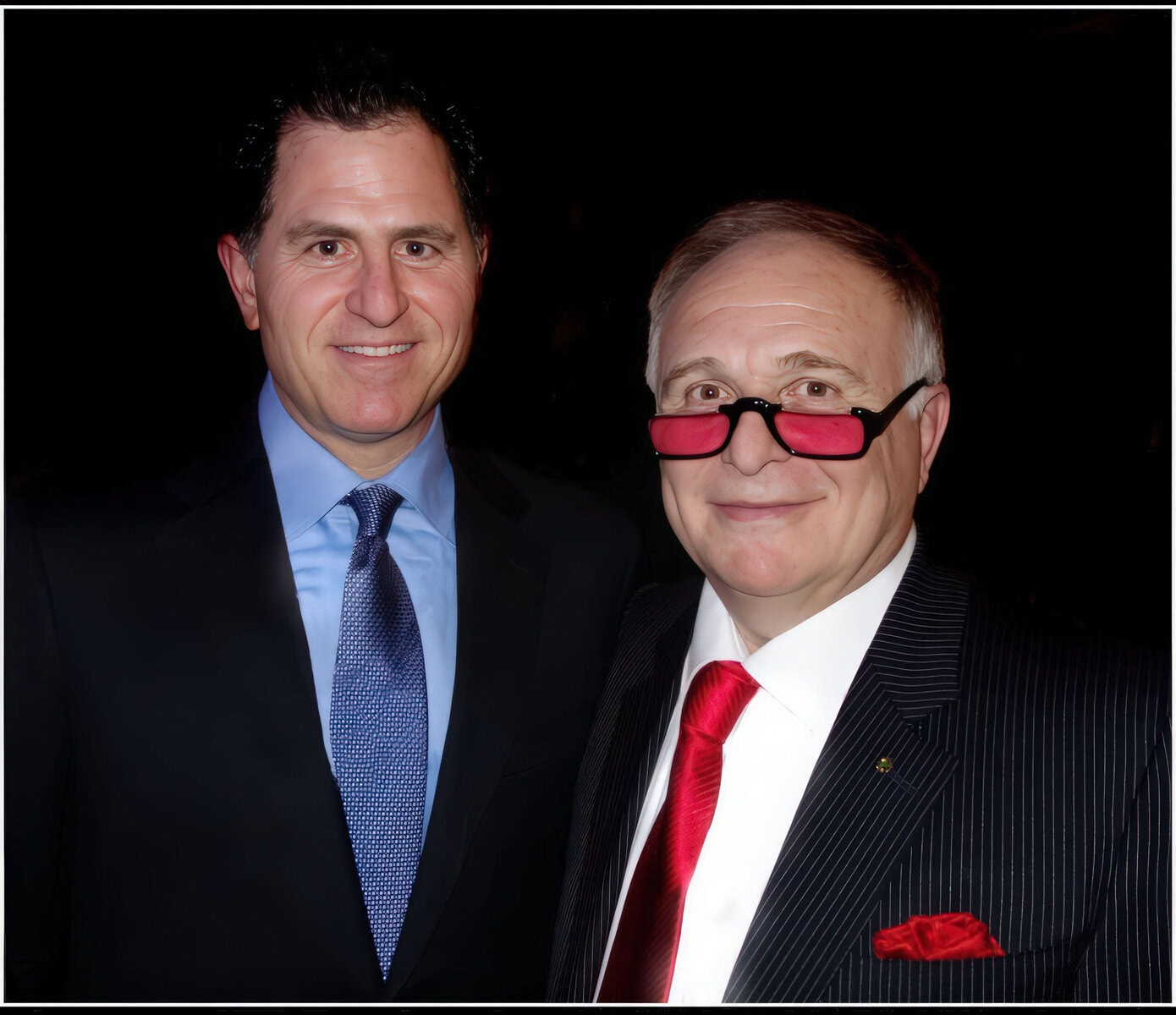
Photo: Mega-philanthropist Michel Dell with Lifestyles Magazine/Meaningful Influence founder Gabriel Erem