$50 million gift to UCI MIND: Quilter family transforms fight against Alzheimer’s
UC Irvine recently revealed that its Institute for Memory Impairments and Neurological Disorders (UCI MIND) will be transformed by a 50 million dollar lead gift from the Quilter family, a multi‑generational Orange County clan whose ties to the campus and to the cause of Alzheimer’s research span decades.
This gift is described as the capstone of UC Irvine’s broader Brilliant Future campaign and, at the same time, the catalytic first move in a new phase of fundraising aimed at building a dedicated, state‑of‑the‑art home for dementia research, clinical trials, patient care, and community programs.
The Quilter pledge anchors an 80 million dollar philanthropic package that also includes about 30 million dollars in additional commitments, giving UCI MIND the financial runway to plan and advance an ambitious facility that university leaders say will elevate the institute into a truly world‑class center for Alzheimer’s and related dementias.
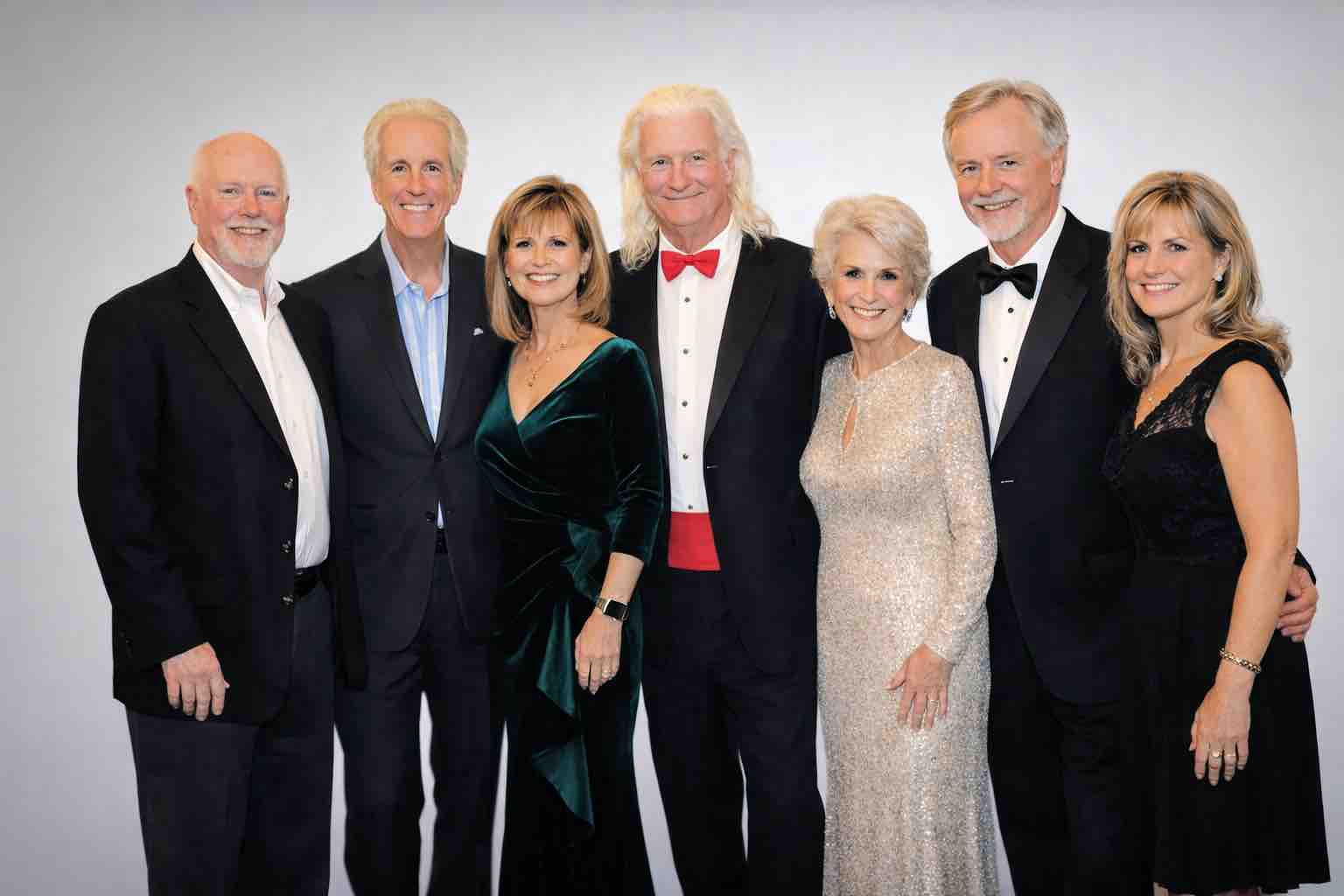
At the heart of the story is the family itself: Charles (“Charlie”) and Ann Quilter and their adult children Patrick, Chris, Matt, and Patty, who are portrayed not as remote benefactors but as deeply rooted members of the Orange County community and long‑time partners of UC Irvine.
Ann is an alumna of the university, having earned a master’s degree in public administration in the late 1970s, while Charlie later completed both a master’s degree and a PhD at UCI, anchoring the couple’s academic and emotional connection to the campus.
The family settled in Laguna Beach more than half a century ago, after years of moving from base to base in a Marine Corps household, and has since woven itself into the civic fabric of the region; friends and colleagues describe the Quilters as people whose instinct is to build institutions and community, not simply to write checks.
Their path to this headline‑making pledge traces back through years of engagement with UCI MIND’s work and with the broader Alzheimer’s crisis. Ann has been an active member of the institute’s leadership council, giving her a front‑row view of the challenges facing families dealing with dementia and of the limitations imposed by existing facilities and funding. Initially, she is said to have contemplated a gift on the order of 5 million dollars—significant by any measure, and in line with her longstanding advocacy on behalf of memory‑disorders research.
Within the family, however, that intention became a spark for something far larger: conversations among the Quilter children and Charlie led to a decision to scale the commitment dramatically, turning Ann’s impulse into a 10 million dollar core pledge from the parents and then layering on an additional 40 million dollars from their son Patrick to create the 50 million dollar total. That internal family dynamic—adult children stepping up alongside their parents, and effectively multiplying their philanthropic ambition—has become a central part of how the gift is being narrated.
In public remarks, the Quilters have framed their decision in deeply personal and communal terms. They point to the sheer scale of Alzheimer’s disease and related dementias, which touch millions of Americans and place a crushing burden on caregivers, as well as to the particular vulnerability of aging communities in Orange County.
For Ann, UCI MIND represents what she has called “hope” for both scientific breakthroughs and practical support, a place where basic research, clinical trials, and family‑facing services are braided together.
The family sees investment in a purpose‑built facility not as an abstract capital project but as a concrete way to ensure that caregivers, patients, and researchers have the physical environment and tools they need for the next several decades of work.
That perspective—treating buildings as enablers of human connection and discovery rather than as monuments—helps explain why the Quilters were willing to attach their name and resources to a long‑horizon construction and programmatic vision.
The structure of the gift also matters. By stepping forward with a large, clearly articulated lead commitment, the Quilter family has effectively de‑risked the project for other philanthropists, demonstrating both their own confidence in UCI MIND and the seriousness of the university’s plans. University officials credit the family’s decision with helping to secure additional multi‑million‑dollar commitments from a cluster of other donors who likewise have personal or familial experience with dementia. In private and public statements, campus leaders stress that without an anchor family willing to make such a bold move, the idea of a new, comprehensive Alzheimer’s center in Orange County would have remained aspirational. With the Quilters’ 50 million dollars in place, it has become credible, time lined, and actionable.
The news coverage emphasizes that this is the largest gift in UCI MIND’s history and one of the most significant family‑led investments in Alzheimer’s research infrastructure on the West Coast.
It also highlights the way the pledge blends legacy, loyalty, and strategy: legacy, in that it positions the Quilter name alongside a major scientific and clinical undertaking that will outlast the current generation; loyalty, in that it is directed toward an institution that shaped Ann and Charlie’s postgraduate lives and that has been part of their family story for decades; and strategy, in that it targets a specific bottleneck—the need for a purpose‑built facility that can house the institute’s expanding portfolio of lab work, clinical trials, and community outreach.
The resulting narrative is less about a single ceremonial check presentation and more about a family choosing to align its wealth, its personal history, and its values with one of the defining health challenges of an aging society, and in the process closing out one era of university fundraising while opening another.