
$50 million gift from Ravindra Chamaria is transformative for international giving, with the potential to reshape the scale and ambition of Rotary‑backed humanitarian initiatives worldwide
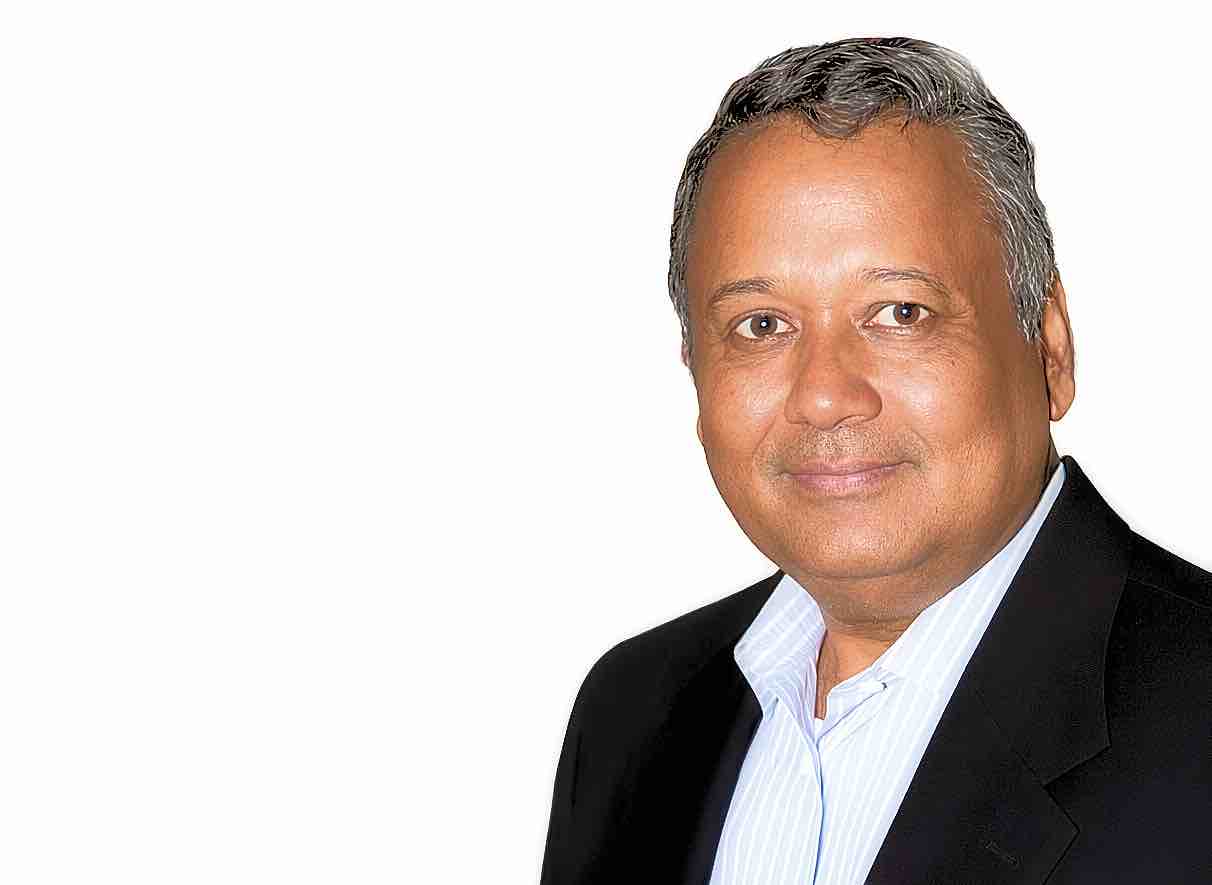
Real estate developer and philanthropist Ravindra Chamaria, chairman of the Infinity Group, has pledged $ 50 million to The Rotary Foundation, described as a record-setting commitment from an individual donor to the organization.
Announced at an event in Orlando, Florida, the pledge is being framed by Rotary leaders and philanthropy watchers as a transformative moment for international giving, with the potential to reshape the scale and ambition of Rotary‑backed humanitarian initiatives worldwide.
The fact that the announcement was introduced from a U.S. venue underscores how this landmark commitment is flowing through a U.S.-based global NGO platform, The Rotary Foundation, which is headquartered in Evanston, Illinois, and operates as an American charitable organization serving a truly international membership.
Chamaria’s commitment is earmarked to support The Rotary Foundation’s global work in health and other core Rotary focus areas, including disease prevention and treatment, water and sanitation, maternal and child health, basic education and literacy, community economic development, and peacebuilding.
While detailed grant allocations will be finalized over the coming months, Rotary officials indicate that a significant share of the funds is expected to underwrite large‑scale global grants and multi‑country initiatives to strengthen health systems, expand access to preventive care, and advance long‑term, community‑led development projects in low‑ and middle‑income countries.
At the same time, Rotary’s grant architecture means U.S.‑based projects in these same focus areas—ranging from health outreach to water and sanitation and education—are positioned to benefit alongside international initiatives, linking a donor in India, an American NGO structure, and communities around the world in a single philanthropic chain.
The gift is widely reported as the largest single contribution ever made by an individual to The Rotary Foundation, surpassing prior landmark commitments and setting a new benchmark for Rotary‑aligned philanthropy.
Commentators within the global Rotary network are pointing to the pledge as a signal that emerging‑market entrepreneurs and developers are increasingly stepping onto the center stage of major international giving, aligning personal fortunes with institutional platforms capable of delivering measurable, cross‑border impact.
Chamaria, whose Infinity Group has developed a portfolio of technology parks, residential complexes, and mixed‑use projects in eastern India, has previously supported educational and social‑welfare causes through corporate and personal philanthropy.
His philanthropic orbit already touches the United States through his long association with Akshaya Patra, the India‑based school meals program that has been profiled by Harvard Business School and showcased at the Clinton Global Initiative, where former president Bill Clinton praised the model as an example of scalable social innovation.
By choosing The Rotary Foundation as the vehicle for his largest public commitment to date, Chamaria is effectively tapping into Rotary’s existing global grant architecture and volunteer network—rooted in a U.S. nonprofit entity but activated through thousands of local clubs worldwide that co‑design projects with communities and national partners.
Rotary leaders and external observers are also emphasizing the signaling effect of a 50‑million‑dollar individual pledge at a time when global health systems remain under strain and many nonprofits are contending with flat or declining grant income.
Beyond the direct programmatic impact, Rotary insiders say they expect the Chamaria pledge to catalyze additional seven- and eight-figure commitments from high-net-worth individuals and family offices, particularly in Asia and the Middle East, who increasingly seek high‑accountability, globally recognized platforms for their philanthropy.
For U.S. Rotary districts and clubs, the gift is being read as both an endorsement of the Foundation’s stewardship record and an invitation to think bigger about the size and scope of projects that can be mounted when donors, regardless of geography, channel capital through a common institutional framework centered in the United States but serving the world.
In philanthropic circles, the announcement is being discussed not only as a milestone for Rotary but also as a case study in how business leaders from rapidly growing economies are redefining the geography and narrative of large‑scale charitable giving.
Chamaria’s pattern of partnering with U.S.‑anchored, globally recognized intermediaries—from Akshaya Patra’s engagement with American institutions to this new alliance with The Rotary Foundation—reinforces the United States’ role as a convening hub for cross‑border philanthropy, even when the capital itself originates elsewhere.
If deployed as envisioned, observers say, the Chamaria pledge could help expand Rotary’s capacity to deliver multi‑year health and development programs at a scale more commonly associated with government or multilateral funding, underscoring the evolving role of individual donors in shaping the global public‑good agenda and the increasingly intertwined philanthropic relationship between India and the United States.