
$45 million road to summer camp: Jamie Simon’s plan to bring thousands more children to overnight camp is supported by Michael & Susan Dell, Jim Joseph and Lynn Schusterman
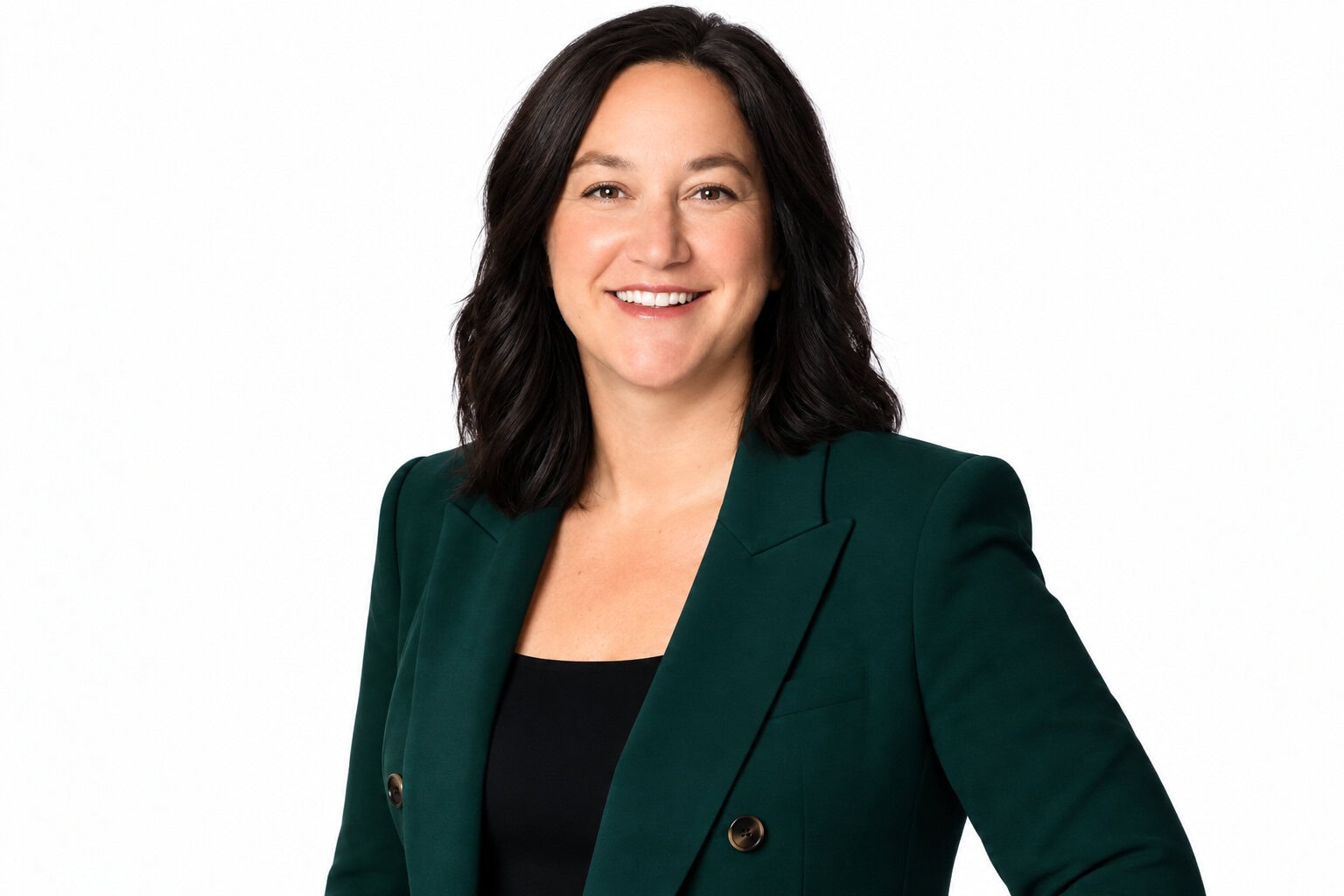
Jamie Simon still remembers the duffel bag.
She has described it as packed with bug spray and possibility, carried by a nervous, excited child heading off to Jewish summer camp.
At home she was the only Jewish kid in her class.
At camp, her Jewishness was something to sing, celebrate, and share.
She has written that camp was the first place she felt she truly belonged.
Simon now runs the Foundation for Jewish Camp, and recently she put a number on making sure fewer children miss that feeling because of the cost.
The foundation announced the Jewish Camp Access & Excellence Initiative, a $45 million, five-year effort to make overnight camp more affordable for Massachusetts families, strengthen 11 New England camps and make room for more children.
A small group of funders is paying for the initiative: The Endowment for an American Jewish Future, the Michael & Susan Dell Foundation, the Jim Joseph Foundation, and Charles and Lynn Schusterman Family Philanthropies.
Most of the money goes where families feel it.
About $27 million will go to tuition support through a new program called Road to Camp, which plans to award 6,000 tuition grants from 2027 through 2031.
Massachusetts households earning under $200,000 a year can apply for 40 percent off tuition at participating camps.
Households earning between $200,000 and $300,000 can apply for 30 percent off.
Another $5.5 million will fund capital grants for camper bunks, staff housing, dining halls, and program spaces, with the goal of making room for more than 200 additional children each summer.
The rest funds coaching, consulting, and professional development to help the camps improve leadership, staffing, technology, and facilities planning.
The 11 camps cover a range of Jewish traditions and several states: Camp Avoda, Camp Bauercrest, Camp JORI, Camp Pembroke, Camp Ramah in New England, Camp Tel Noar, Camp Tevya, Camp Yavneh, Camp YJ, URJ Crane Lake Camp, and URJ Eisner Camp.
Together they served more than 4,500 campers this past summer, about 80 percent of the Massachusetts families who send children to Jewish overnight camp.
The goal is ambitious: to double enrollment from Massachusetts families with household incomes under $300,000.
Outside Massachusetts, those income limits might sound generous. Inside the state, they describe a squeeze.
Debby Shriber, executive director of URJ Eisner and Crane Lake Camps in the Berkshires, points to an analysis finding that a family of four in Massachusetts needs about $329,555 a year to live comfortably.
“Often families can earn too much to qualify for assistance and still struggle to afford camp alongside housing and childcare and saving for the future and day school if they choose to go there,” she said.
A full summer at the participating Massachusetts camps costs from about $12,950 at Camp Avoda in Middleborough to around $15,000 for older campers at Eisner.
At those prices, a 40 percent grant can put $5,000 to $6,000 back in a family’s budget every summer.
Simon’s choices reflect a camp director’s instincts as much as an executive’s.
Returning campers can get grants, not only newcomers, and families can keep receiving help every year they qualify.
That choice responds to a pattern in the foundation’s own research. Its One Happy Camper program has helped nearly 150,000 first-time campers, and 86 percent of grant recipients come back the next summer.
By the fourth year, though, return rates differ widely by household income.
Getting a child to camp once is not the same as keeping them there long enough for camp to have its deepest effect.
The application process relies on trust, not paperwork.
“We believe that if families really need it, they’ll ask for it, and if families don’t need it, they won’t,” Simon said.
“We want to make this as accessible and easy to apply for as possible.”
Families can combine Road to Camp grants with a camp’s own scholarships and One Happy Camper awards.
Shriber made clear that her camps, which give out more than $500,000 in aid every year, will not cut back.
“This is to widen the scholarship pipeline,” she said.
Simon came to this moment through camp itself.
She spent 17 years at California’s Camp Tawonga, rising from camp director to chief executive.
In her six years as CEO, the number of people Tawonga served tripled.
She joined the Foundation for Jewish Camp as its first chief program and strategy officer, became interim leader when longtime CEO Jeremy Fingerman stepped down, and was chosen unanimously as permanent CEO last year.
She is the first woman to lead the organization and the first leader to come from a camping background.
She is also a camp parent.
“I’ve seen the power of Jewish camp at every stage of my life,” she said when her appointment was announced, “as a camper, as a camp counselor, as a camp director, as a parent.”
That experience explains the second half of the initiative’s name.
“If we’re going to drive enrollment to these camps through these great affordability programs, we want to make sure that they’re the best camps,” Simon said.
That is why the money also covers bunks, dining halls and the people who run the camps. Simon expects the scholarships to fill camps quickly.
The capital grants are meant to make sure there is a bed waiting.
Individual amounts donated were not disclosed.
Doug Silverman, a co-founder of The Endowment for an American Jewish Future, described the effort as an investment in the next generation.
“A changing America calls for new thinking about investing in the Jewish future,” he said.
“Camp combines the magic of summer with the joy of being Jewish, building connections that last a lifetime.”
Barry Finestone, president and CEO of the Jim Joseph Foundation and one of the foundation’s longest-standing funders, said his foundation had fallen “in love with the problem” of making quality camp available to everyone, rather than with any single solution.
He also likes the math.
Camp, he said, is “a little bit of a twofer”: the campers grow, and so do the young counselors who look after them.
Massachusetts is the test case.
Simon chose it for its deep camping culture, its range of camps across Jewish life, and the foundation’s New England Regional Center in Boston, launched with Combined Jewish Philanthropies and The Krupp Foundation.
After the third summer, the foundation will study the results and consider bringing the model to other states.
Families can register their interest now, and applications open November 17.
For Simon, success will probably look quieter than any report. It will be a child in Worcester or Brookline or on the South Shore, packing a duffel for a second, third, or fourth summer, with the same mix of bug spray and possibility she once carried, and coming home knowing exactly where she belongs.