
$32 million to national council for mental wellbeing, expanding support for behavioral health from MacKenzie Scott
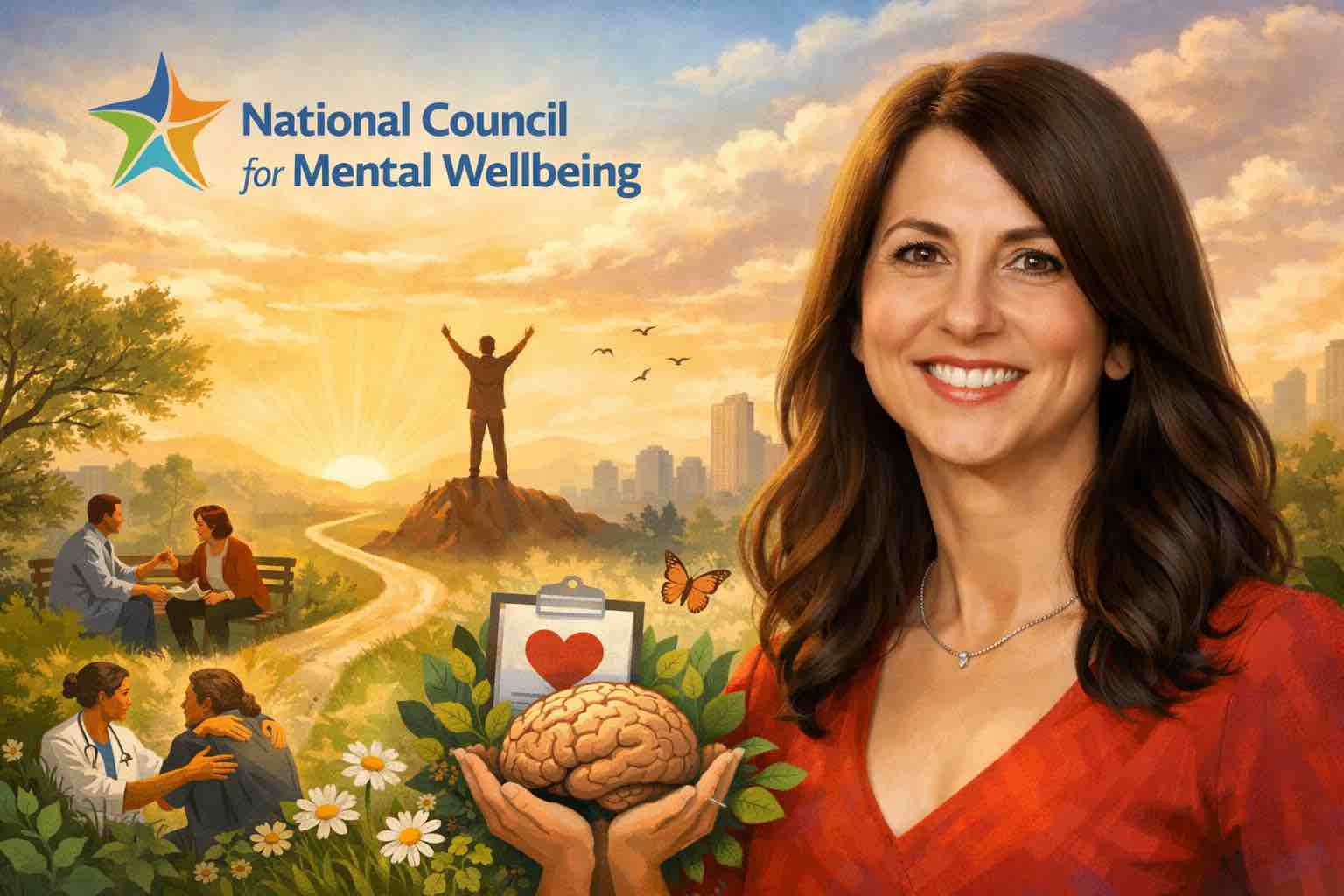
In a powerful show of continued faith in the nation’s mental health infrastructure, philanthropist MacKenzie Scott has awarded a $32 million unrestricted gift to the National Council for Mental Wellbeing — her second donation to the organization in four years.
The latest grant marks one of the largest single gifts ever received by the Council, which represents more than 3,200 community-based mental health and substance use treatment organizations nationwide.
Scott, whose philanthropy has redefined large-scale giving in the United States, previously contributed $7 million to the National Council in 2022.
This new, far larger donation arrives during a period of heightened strain in the behavioral health sector, as organizations face rising need amid workforce shortages and dwindling public funding.
Chuck Ingoglia, President and CEO of the National Council, called the gesture both humbling and transformative. “We want to thank MacKenzie Scott for her generosity and for recognizing the essential work of our members who deliver behavioral health care in their communities every day,” he said.
“This gift arrives at a time of enormous need and gives us the flexibility to strengthen our organization and the services our members rely on to improve access to treatment and care.”
Ingoglia noted that the unrestricted nature of Scott’s donation offers critical freedom to respond to emerging challenges and invest strategically — a hallmark of her approach to philanthropy. The funding, he emphasized, will allow the Council to “strengthen advocacy and public policy efforts, address the behavioral health workforce shortage, and advance initiatives that improve public health and integrated care.”
The National Council, founded in 1969, plays a pivotal role in shaping behavioral health policy nationwide. Its widely adopted Mental Health First Aid program has trained more than 4.5 million people across the U.S. to recognize signs of mental health and substance use challenges.
With over 15 million Americans relying on services provided by its member organizations, the Council functions as both an advocate and a lifeline for community-based care providers.
Scott’s gift adds to a growing legacy of philanthropic investments in organizations addressing mental wellbeing, health equity, and systemic access to care — areas that have become focal points of her giving since she began distributing her multi-billion-dollar fortune following her 2019 divorce from Amazon founder Jeff Bezos.
Her contributions, usually made without restriction or bureaucratic process, have gone to hundreds of nonprofits tackling complex issues often overlooked by traditional philanthropy, including organizations serving rural communities, low-income families, LGBTQ+ individuals, and people of color.
In many ways, Scott’s donation strategy mirrors her belief in trust-based philanthropy — the idea that nonprofit leaders closest to the work are best positioned to direct resources where they will have the most impact.
By providing unrestricted funds, she enables organizations like the National Council to address structural challenges that earmarked grants seldom cover: workforce development, infrastructure, advocacy, and innovation.
“This remarkable show of support from MacKenzie Scott underscores the importance of public-private partnerships,” Ingoglia added.
“Private investments such as this help fill gaps left by shrinking federal resources and ensure that vital behavioral health services can continue to reach those who need them most.”
The Council plans to outline a strategic plan in the coming months for allocating the funds “with care and intention,” ensuring they strengthen the organization’s core work and long-term sustainability.
For Scott, the gift continues a distinctive pattern of spotlighting mental health as a national priority. In the past two years, her donations have reached a broad range of behavioral health organizations — from local counseling centers to national advocacy groups — helping to accelerate a cultural shift that views mental wellbeing as integral to overall health.
“The National Council defines mental wellbeing as a state of thriving,” Ingoglia said. “It’s the foundation of living a strong, healthy, and fulfilling life — something that should be achievable for everyone.”
With this new infusion of funding, the Council hopes to move closer to that vision — and to ensure that mental health care, often underfunded and stigmatized, remains an essential pillar of American public health.