
$30 million gift by Cayton Goldrich family aims to break the cycle of inherited cancer
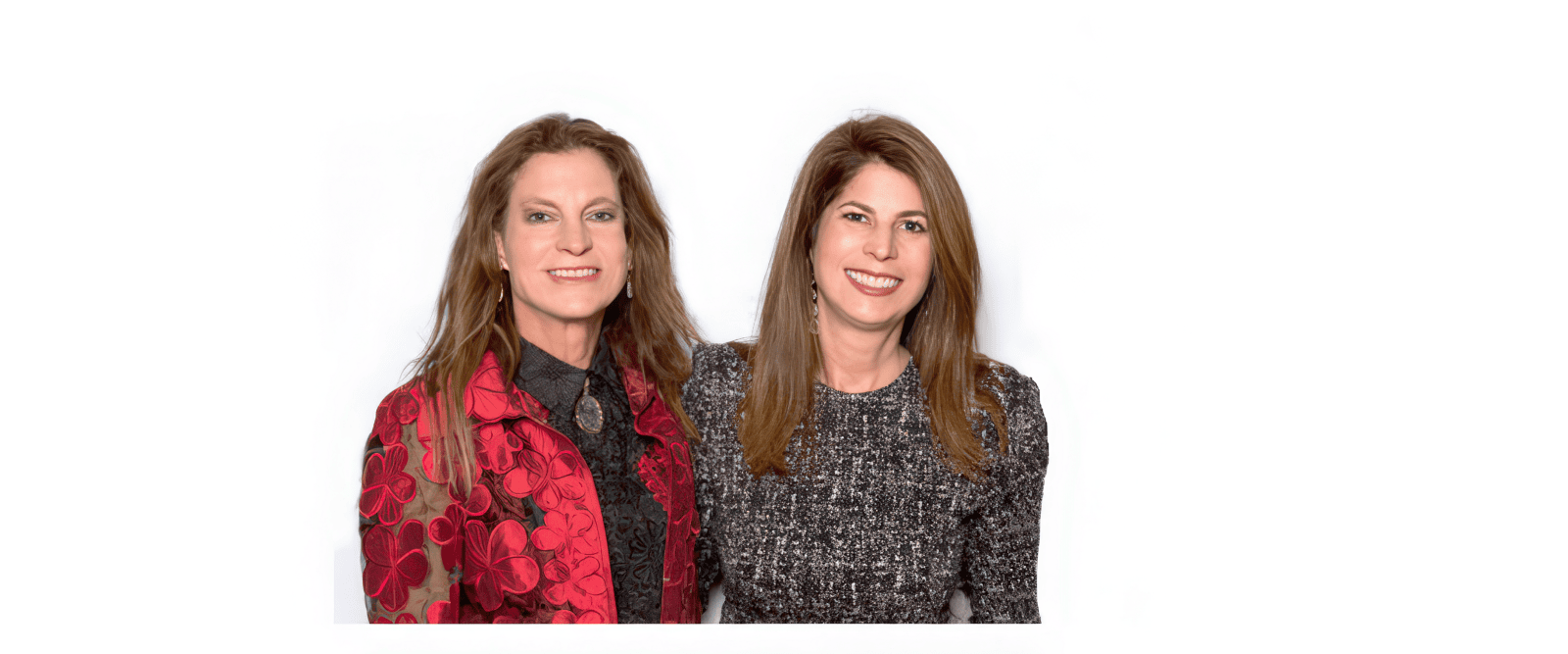
Cedars-Sinai’s announcement of a $30 million gift from the Cayton Goldrich Family Foundation marks not only a significant advance in genetic cancer care in Southern California, but also the latest chapter in a deeply personal philanthropic journey shaped by family history, lived experience, and a long-standing belief in the power of science to interrupt human suffering.
The gift establishes the Cedars-Sinai Cayton BRCA Center, a first-of-its-kind hub in the region dedicated to the research, diagnosis, and comprehensive treatment of illnesses linked to BRCA1 and BRCA2 gene mutations—conditions that quietly but profoundly shape the lives of hundreds of thousands of families.
For the Cayton and Goldrich families, this is not abstract philanthropy. It is an act of resolve born from proximity to risk. BRCA mutations, which impair the body’s natural ability to repair damaged DNA, dramatically elevate the likelihood of inherited cancers including breast, ovarian, prostate, and pancreatic malignancies.
About one in 400 people in the United States carries such a mutation, often unknowingly, and the burden cuts across genders and generations. Yet testing remains uneven, particularly among men, and care is frequently fragmented. The new center is designed to confront those gaps head-on, with a scope that reflects both scientific ambition and familial urgency.
“We can help prevent harmful BRCA mutations from being passed down from carriers to their children and grandchildren and work toward ending the cycle of inherited cancer risk,” said Barry Cayton, trustee of the Cayton Goldrich Family Foundation. His words reflect a forward-looking philosophy that treats philanthropy not simply as treatment, but as prevention—an investment in futures not yet written.
Trustee Andrea Goldrich Cayton underscored the deeply personal dimension of the gift, noting that the family itself has been affected by BRCA gene mutations. That proximity to vulnerability, she said, created a powerful sense of obligation to act decisively and at scale. “We feel especially compelled to make a transformative mark in the healthcare space linked to holistic BRCA research and care,” she said.
That phrase—holistic care—captures the ethos behind the center. Beyond advanced research, the Cedars-Sinai Cayton BRCA Center will provide patients with individualized care pathways that include genetic testing, specialized screening protocols, risk-reducing interventions, and reproductive medicine services designed to help families break the chain of inherited cancer risk. It will also focus on populations disproportionately affected by BRCA mutations, including individuals of Eastern European Jewish, Korean, Mexican, and African American ancestry—communities that, until now, have lacked a comprehensive BRCA-focused clinical and research center in Los Angeles.
The Cayton and Goldrich families’ commitment to Cedars-Sinai is both deep and enduring. In 2019, the Goldrich Family Foundation made a $10 million gift to establish the Jona Goldrich Center for Alzheimer’s and Memory Disorders, named in honor of the late Jona Goldrich, a Holocaust survivor whose life story embodied resilience, rebuilding, and responsibility.
A prominent Los Angeles real estate developer and philanthropist, Goldrich carried forward a worldview shaped by survival and stewardship, one that continues to inform his family’s approach to giving. In both Alzheimer’s disease and inherited cancer, the family has gravitated toward complex, multigenerational challenges where science, compassion, and long-term vision intersect.
Cedars-Sinai leadership has framed the new gift as emblematic of that vision. President and CEO Peter L. Slavin, MD, described the institution as “truly humbled and honored” by the continued partnership, praising the Cayton Goldrich Family Foundation for embodying a humanitarian spirit anchored in confidence that scientific discovery can meaningfully transform human life.
For the medical leadership charged with bringing the center to life, the philanthropic mandate is clear: accelerate translational research, integrate care across disciplines, and pursue nothing less than the eradication of the cellular mechanisms that allow BRCA-driven cancers to take hold.
Shlomo Melmed, MB, ChB, executive vice president of Medicine and Health Sciences and dean of the Medical Faculty, emphasized that the center will serve as a hub of discovery science as well as a practical, patient-centered model of care. The aim, he said, is not only to manage risk but to fundamentally alter outcomes—shortening the distance between laboratory breakthroughs and clinical impact, and giving families clarity, agency, and hope.
In an era when medical philanthropy increasingly seeks measurable impact, the Cayton Goldrich gift stands out for its combination of scale, specificity, and personal conviction. It is a reminder that behind major institutional advances often lie family stories—of loss, of survival, of genes passed down alongside values. With the launch of the Cedars-Sinai Cayton BRCA Center, the Cayton and Goldrich families are betting that science, when fully resourced and thoughtfully applied, can do more than treat disease. It can help end a cycle, and in doing so, quietly reshape the inheritance passed from one generation to the next.