
$200 million gift from philanthropist Gina Rinehart is earmarked to house homeless veterans
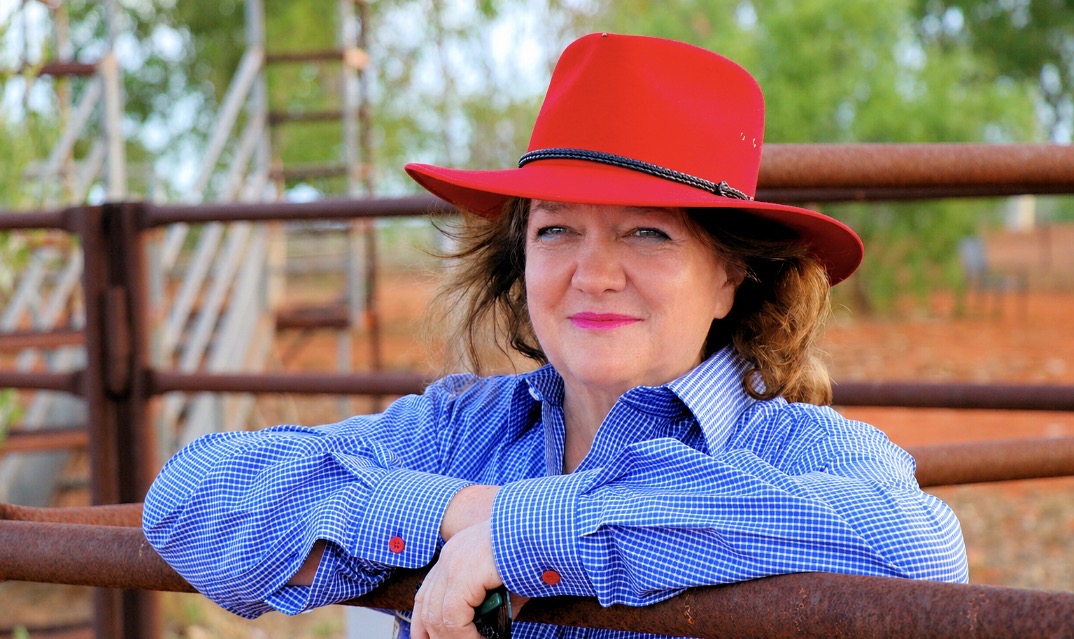
Gina Rinehart’s new $200 million commitment to house homeless veterans is being described in Australia as the biggest private effort ever made to the country’s ex‑service community.
The mining billionaire plans to use the money to buy and convert hotels, motels, and apartment buildings into dedicated accommodation, fast‑tracking real roofs and beds into a system where many veterans currently sleep rough or cycle through temporary shelters.
The scale of the problem she is targeting is stark.
Recent research suggests that close to 6,000 Australian veterans—around 5.3 percent of current and former service personnel—experience homelessness in a given year, a rate nearly three times higher than that of the broader population.
Veterans are estimated to make up about 5.6 percent of people sleeping rough, and those who do end up homeless often spend longer on the streets and report heavier physical, mental‑health, and social burdens than non‑veteran rough sleepers.
Rinehart has said she was shocked to learn that more than 6,000 veterans were without a stable home in one of the world’s richest countries, calling the situation “unacceptable” ahead of ANZAC Day, when Australians and New Zealanders pause to remember their war dead and living veterans.
By announcing the pledge in that week, she has turned what is usually a symbolic season of remembrance into a very concrete conversation about housing stock, building acquisitions, and how quickly a wealthy democracy can move when someone is prepared to write a very large check.
For North Americans, the story lands with a familiar echo.
In the United States, a federal point‑in‑time count found 32,882 veterans experiencing homelessness on a single night in 2024, even after years of progress that have cut veteran homelessness by more than half since 2010.
Advocacy groups on both sides of the Pacific now talk about a “quiet emergency” in which veterans remain overrepresented in the homeless population and in which the gap between official respect for service and the reality of street sleeping has become politically uncomfortable.
Rinehart’s move is also part of a longer pattern.
She has already put about 10 million dollars into Sir Valston Hancock House in Perth, a veteran housing complex that has provided roughly 3,500 nights of accommodation since opening in 2024, linking safe beds with health care, advocacy, and employment support.
Beyond veterans, public records, and sector research suggest she has committed hundreds of millions of dollars over the past decade to health, medical research, hospitals, and Olympic sports, bringing her likely lifetime philanthropy into the 400–500-million-dollar range or higher when smaller and unpublicized gifts are included.
An Australian billionaire in a US ally is effectively underwriting a national surge in veteran housing at the same moment North America is still trying to close its own gap.
The details are local, but the question it raises travels well: in societies that ask a great deal of their servicemen and servicewomen, who should pay—and how much—to ensure they never end up sleeping on the street.