
$100 Million gift from immigrant Alon Abady and his wife Monique sets the stage for a new North American center of observance, tradition culture, education, and community life
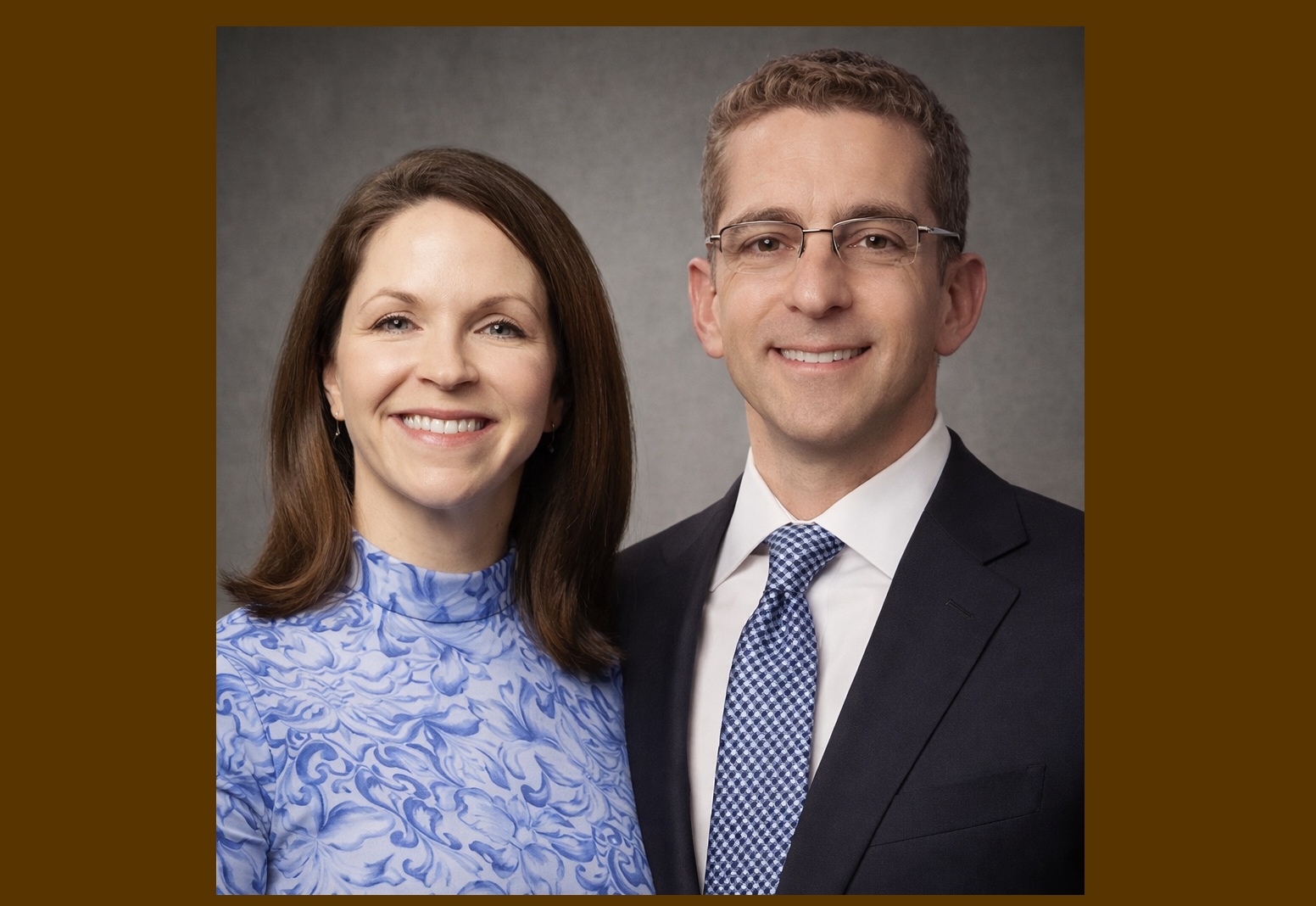
In a city defined by ambition and reinvention, moments of true civic generosity still have the power to stop people in their tracks.
Such a moment arrived with the announcement that Alon Abady, one of Los Angeles’s most respected and successful real estate figures and his wife Monique, had donated a prime Century City property valued at more than $100 million to create what will become the largest Jewish center in North America.
The property—includes a striking 16-story office tower that will now be transformed into a vibrant campus for Jewish life under the stewardship of Chabad.
Planned uses include a major house of worship, expansive educational and cultural programming, community services, wellness and mental-health resources, and gathering spaces designed to welcome people of all ages and backgrounds.
For Abady, the gift is not a departure from his life’s work, but a natural extension of it.
Widely known as a “realtor to the stars,” he has guided some of the most high-profile residential and commercial transactions in Southern California, working with clients such as Justin Bieber and Hailey Bieber, and handling landmark properties including Simon Cowell’s former Beverly Hills estate.
In 2021, he further cemented his standing in the commercial real estate world with the acquisition of the Sofitel Beverly Hills, a transaction noted for its scale and strategic vision.
Yet those who know Abady well say that numbers and notoriety have never been the point.
Born in Syria and raised in Los Angeles after immigrating with his family in the 1970s, he has often spoken about the formative role community played in his early years in America. Chabad, in particular, was there for his family at a time when support, continuity, and connection mattered deeply. That experience left an indelible mark.
“This is a lifelong dream that also allows me to honor my parents and my children,” Abady said when the donation was announced—words that reflect not only gratitude for the past, but responsibility for the future.
What makes the gift especially remarkable is its clarity and completeness. By donating the property outright, Abady has given the project a foundation of strength and independence from its very first day.
The value is not only financial; it is strategic. Few parcels in Los Angeles combine location, scale, and visibility in this way, and fewer still are given with the express purpose of building something enduring and open to all.
Leaders involved in the project have spoken of the campus as a once-in-a-generation opportunity—one that will serve as a center of gravity for Jewish life in Los Angeles and beyond.
Educational initiatives, cultural programming, social services, and spiritual life will coexist under one roof, creating a living institution rather than a static monument. The affixing of the first mezuzah at the building marked the beginning of that transformation, a quiet but powerful moment filled with meaning.
Abady’s role throughout has been characteristically understated. Friends and colleagues describe him as deeply committed yet deliberately focused on the institution rather than himself, preferring that the story be about what the campus will give to others rather than what he has given.
It is an approach consistent with a man who has spent decades creating value behind the scenes, connecting people to places that shape their lives.