
$10 million latest scholarship gift to university from John H. and Dr. Marcy McCall MacBain raises their philanthropic giving over the $500 million mark
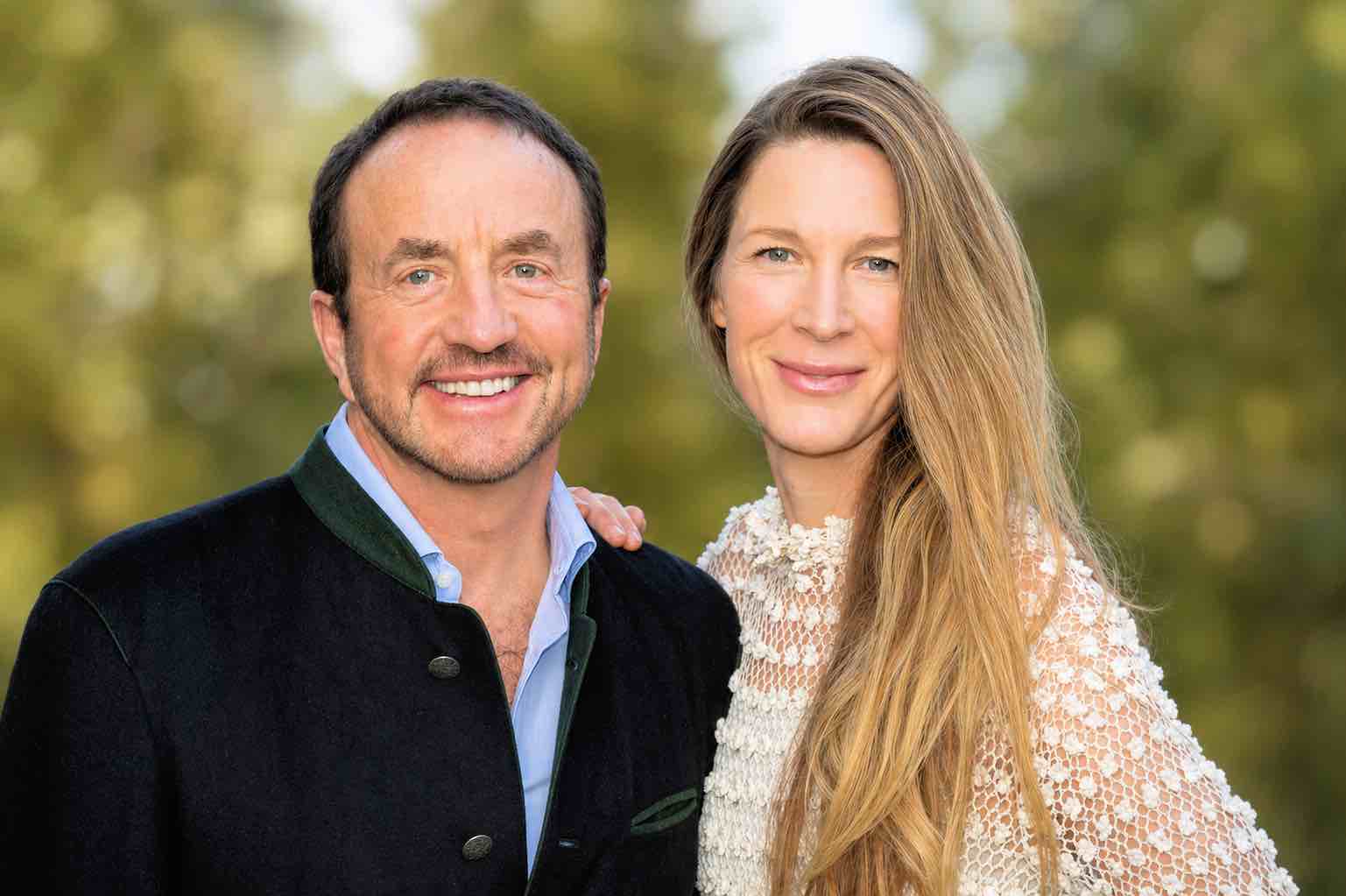
John H. and Dr. Marcy McCall MacBain have spent the past two decades quietly constructing one of the most ambitious, globally minded philanthropic portfolios of any Canadian-born donor family, with a particular emphasis on education, leadership, climate, and health.
Working primarily through their Geneva-based McCall MacBain Foundation, which they established in 2007 after the sale of Trader Classified Media, the couple has now committed roughly half a billion dollars to charitable causes around the world and formally pledged to give away the majority of their wealth.
At the core of their giving is a simple idea: identify promising people early, give them access to education and mentorship, and support the ecosystems that allow them to tackle big problems over the long term.
Education has therefore become the signature theme of their philanthropy, a through-line that connects their own personal stories with the institutions they now support on several continents. John’s journey from a modest upbringing in Niagara Falls, Ontario, to Rhodes Scholar, media entrepreneur, and eventually one of Canada’s most significant donors to scholarships has shaped how he thinks about opportunity and the doors that education can open.
Marcy’s training and work in health and public policy, meanwhile, has pushed their foundation to pair education with a strong focus on health, well‑being, and evidence‑based interventions that can improve people’s lives in practical, measurable ways.
Their most visible philanthropic act came in 2019, when the couple announced a landmark CAD 200 million gift to McGill University, creating the McCall MacBain Scholarships at McGill. It was widely hailed as the single largest philanthropic gift in Canadian history at the time and signaled a turning point both for McGill and for scholarship philanthropy in the country.
The scholarship program is designed not just as financial aid but as a comprehensive leadership platform, offering full funding for graduate studies alongside mentorship, community engagement opportunities, and structured leadership development.
Selection criteria emphasize character, community involvement, and leadership potential at least as much as academic performance, reflecting the couple’s view that future leaders are defined by their values and actions, not just their grades.
That philosophy is consistent with their broader role in scholarship philanthropy worldwide. Long before the McGill gift, John emerged as a key benefactor of the Rhodes Trust, committing £75 million in 2013 to endow additional scholarships and secure the program’s long‑term future.
This gift, which earned him the designation of “Second Century Founder” of the Rhodes Trust, helped expand the scholarship to new regions and maintain its global reach.
The couple has also supported the Loran Scholars Foundation in Canada, the Mandela Rhodes Foundation in South Africa, and the Kupe Leadership Scholarship at the University of Auckland, among others, creating a network of leadership‑oriented awards that stretch from Canada to Africa to New Zealand.
Across these programs, the common thread is the belief that investing deeply in a relatively small number of high‑potential individuals can produce an outsized impact over time as those alumni move into positions of responsibility.
While education sits at the heart of the McCall MacBain story, their philanthropy extends far beyond universities and scholarships. Increasingly, the couple has channeled their efforts into climate and environmental initiatives, positioning their foundation as a catalytic funder of organizations working to address the climate crisis.
One of their earliest and most notable moves in this space was to support the European Climate Foundation, a major philanthropic platform that works to raise climate ambition and drive systemic change in energy and climate policy.
Today, the foundation describes its climate strategy as backing “pragmatic and impactful solutions” that can deliver meaningful emissions reductions by 2030, with an emphasis on efforts that benefit both people and the planet. This includes support for advocacy, policy, and systems‑level change, rather than only isolated conservation projects.
Health has formed the third pillar of their foundation’s work, with a notable evolution over time from maternal health in low‑resource settings toward youth mental health and well‑being. Early in the foundation’s history, John and Marcy became closely involved in efforts to reduce maternal mortality, especially in sub‑Saharan Africa.
Working with Monash University in Australia, they helped fund research and development around inhaled oxytocin, an innovation designed to prevent postpartum hemorrhage in areas without reliable access to refrigeration or trained personnel.
Monash has credited their contributions as critical to advancing this work, and in recognition, the university conferred honorary doctorates on both John and Marcy for their role in supporting international health innovation.
More recently, their health portfolio has shifted more squarely toward youth mental health and well‑being, particularly in Canada. The foundation supports organizations and post‑secondary institutions that focus on student mental health, early intervention, and evidence‑based approaches to well‑being, reflecting a broader societal concern about the pressures young people face.
This emphasis aligns naturally with the foundation’s scholarship work: it is not enough to get talented students into elite programs if they are not supported to thrive once they arrive.
By pairing financial support with mental‑health and well‑being initiatives, the couple is attempting to shape both the access and the environment side of the education equation.
Despite the global sweep of their philanthropy, the couple has made a point of staying connected to their roots. John often speaks of his upbringing in Niagara Falls and the role of public schools and community institutions in his early life.
The foundation has a dedicated “hometown communities” focus that supports youth and community initiatives in Niagara Falls and Huron County, Ontario.
These commitments include local scholarship and youth leadership initiatives, as well as support for community organizations that reflect the values that shaped their own journeys.
It is a deliberate balance: transformative, headline-grabbing gifts to global institutions on the one hand, and steady, less-visible support for the places that gave them their start on the other.
The architecture behind all of this is carefully constructed. The McCall MacBain Foundation is headquartered in Geneva, and Pamoja Capital SA, the family’s investment firm, manages capital with the explicit aim of generating returns that can fuel long‑term philanthropy.
This setup allows the couple to combine professional‑grade investment management with a mission‑driven foundation, blurring the lines between family office and philanthropic vehicle. As the investment portfolio grows and distributions increase, we expect their giving to expand correspondingly.
Their 2019 decision to join The Giving Pledge brought their philosophy into clearer public view.
In their pledge letter, John and Marcy emphasized that they intend to give the majority of their wealth away during their lifetimes and encouraged other wealthy individuals to “give more, and give sooner.”
The letter also underscored themes that run throughout their work: gratitude for the opportunities they have had, a belief in the power of education, and a conviction that philanthropy should be both strategic and personally meaningful.
It was a formal statement of something that had already become obvious to the universities, scholarship organizations, and NGOs that have benefited from their support.
Today, the impact of their philanthropy is visible in concrete ways. At McGill, cohorts of McCall MacBain Scholars are now moving through intensive leadership programs that pair graduate studies with community projects and mentorship.
At Oxford and beyond, Rhodes Scholars and other fellows supported by their gifts are working on issues ranging from climate policy to public health and social entrepreneurship.
In health, the work they helped catalyze on maternal mortality continues, while their newer focus on youth mental health is reshaping how institutions think about student well‑being.
And in climate, the organizations they fund are attempting to move the global system toward cleaner energy and more ambitious climate action within this decisive decade.
For John H. and Dr. Marcy McCall MacBain, philanthropy has become a second full‑time career, one that mirrors and in some ways surpasses the scale and complexity of the business empire that made it possible.
Their work is emblematic of a new generation of global philanthropists who combine local loyalty with international reach and who see scholarships, climate action, and health not as separate silos but as interconnected investments in the people and systems that will shape the future.