
$10 million gift gives Alison Looby’s Psychology Department room to dream big
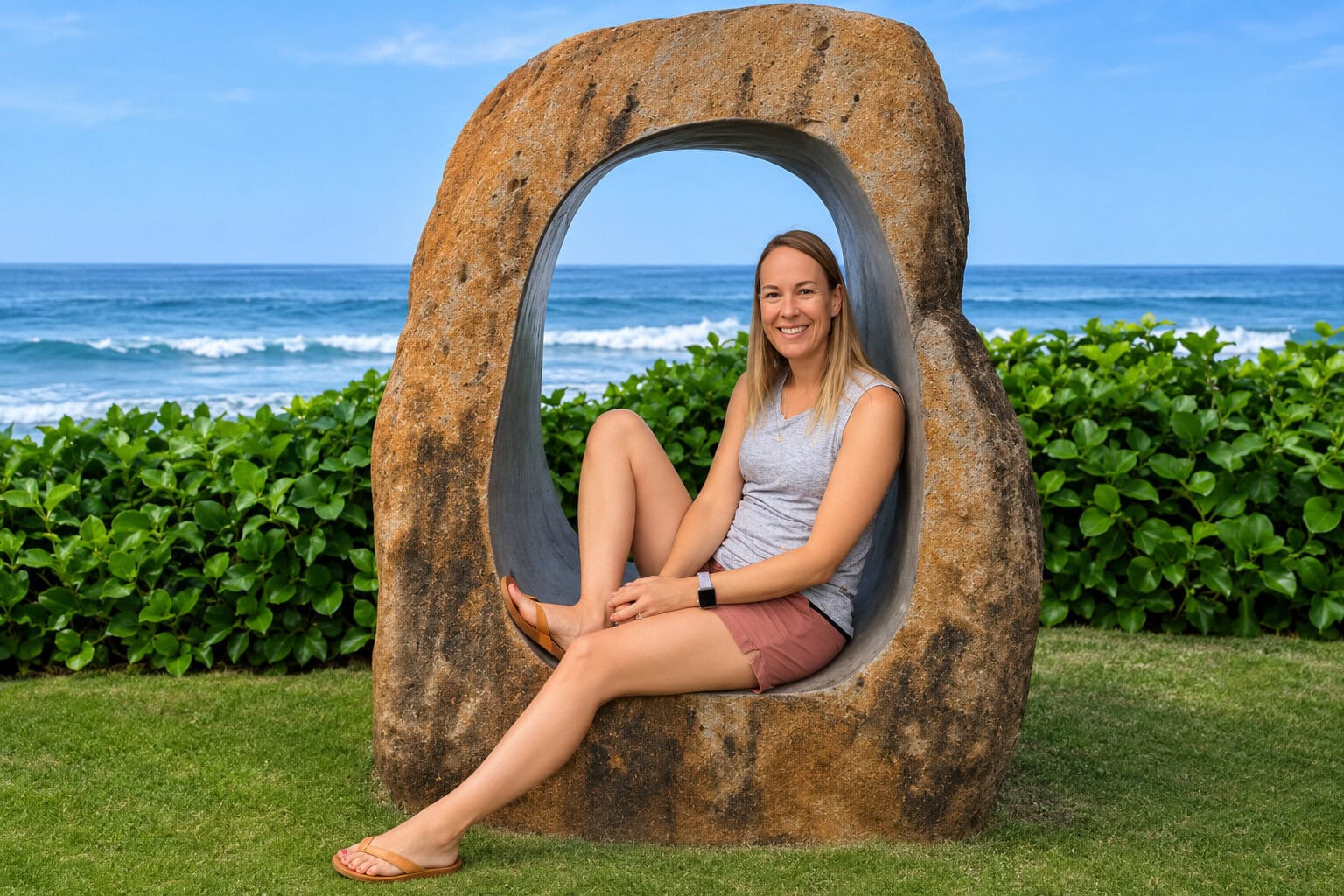
Alison Looby has spent much of her career studying what happens when people believe something will work.
In her Addictive Behaviors Laboratory at the University of Wyoming, college students who thought they were taking Adderall but were actually given caffeine reported the strongest effects and did better on a memory test than students who knew they were drinking caffeine.
Expectation, her work suggests, is a powerful force.
A donor in Wyoming seems to understand that.
Looby now chairs UW’s Department of Psychology, and her department has just received one of the most significant commitments in its history: a $10 million planned gift from an anonymous donor.
The gift will greatly expand an existing excellence fund and strengthen the permanent endowment behind the department’s work.
The donor explained the gift in one sentence that could serve as the department’s motto: “It’s important to know that people can dream big at UW. If you have an idea, you can explore it here, and it might change the world.”
For Looby, this is not money from a stranger.
The donor has been part of the department’s life for years. Earlier gifts helped recruit world-class faculty, brought well-known scholars to Laramie to share their research and meet students, and sent UW students into K-12 classrooms across Wyoming to run demonstrations and teach young people how the mind works.
“This generous gift will allow us to expand these efforts considerably,” Looby says.
“We are particularly excited to develop new ways to engage with people across Wyoming.”
Her own path to Laramie shows the kind of career the gift is meant to support.
Looby studied psychology at the University of California, San Diego, earned her doctorate in clinical psychology at the University at Albany, and completed her clinical internship at Western Psychiatric Institute and Clinic in Pittsburgh.
She taught at the University of North Dakota before arriving at UW in 2016, where she rose from assistant professor to full professor.
She teaches courses like Drugs and Behavior and Psychopathology.
Her research looks at why college students start and continue using prescription stimulants, alcohol, and cannabis, and how changing what students believe about those substances might change what they do.
That research is practical and close to home. With a colleague at California State University, Long Beach, Looby won a National Institutes of Health grant to develop a brief screening and counseling program that campus health providers can use to reduce prescription stimulant misuse and sharing.
A recent department study she co-authored with Professor Cynthia Hartung and several doctoral students found that Adderall did not improve thinking or memory in students without ADHD.
On some measures, students simply did better when they took any pill, real or placebo.
The findings speak directly to the late-night choices students make before exams.
The structure of the gift matters as much as its size.
Most gifts are tied to a single program. An excellence fund gives the department flexible money it can direct to its greatest needs and opportunities, including student learning, research, faculty excellence, and new scholarship.
For a chair leading a department that teaches undergraduates on campus and online and trains doctoral students in clinical, social, cognitive, and legal psychology, that flexibility lets her support good ideas when they come along.
The gift also joins a long tradition.
The department’s funds honor people like June Downey, a pioneering psychologist who chaired the department in the early twentieth century, and Wilson Walthall, a former chair whose excellence fund created the speaker series that still brings national researchers to campus.
Looby now leads a department shaped by generations of people who invested in it, and an anonymous donor has added to that history in a big way.
“A gift of this magnitude can change what’s possible for generations of students, faculty, and the UW community,” says UW President Shane Reeves.
John Stark, president of the UW Foundation, puts it in terms of time: “There’s something especially meaningful about a gift made with the next generation in mind.”
In Looby’s lab, belief can change how a student feels. In her department, one donor’s belief in what can happen in Laramie will now change what students are able to do.