
$18.3 million, one breath at a time: Walter Panzirer and Helmsley’s Oxygen lifeline for Ethiopia and Ghana
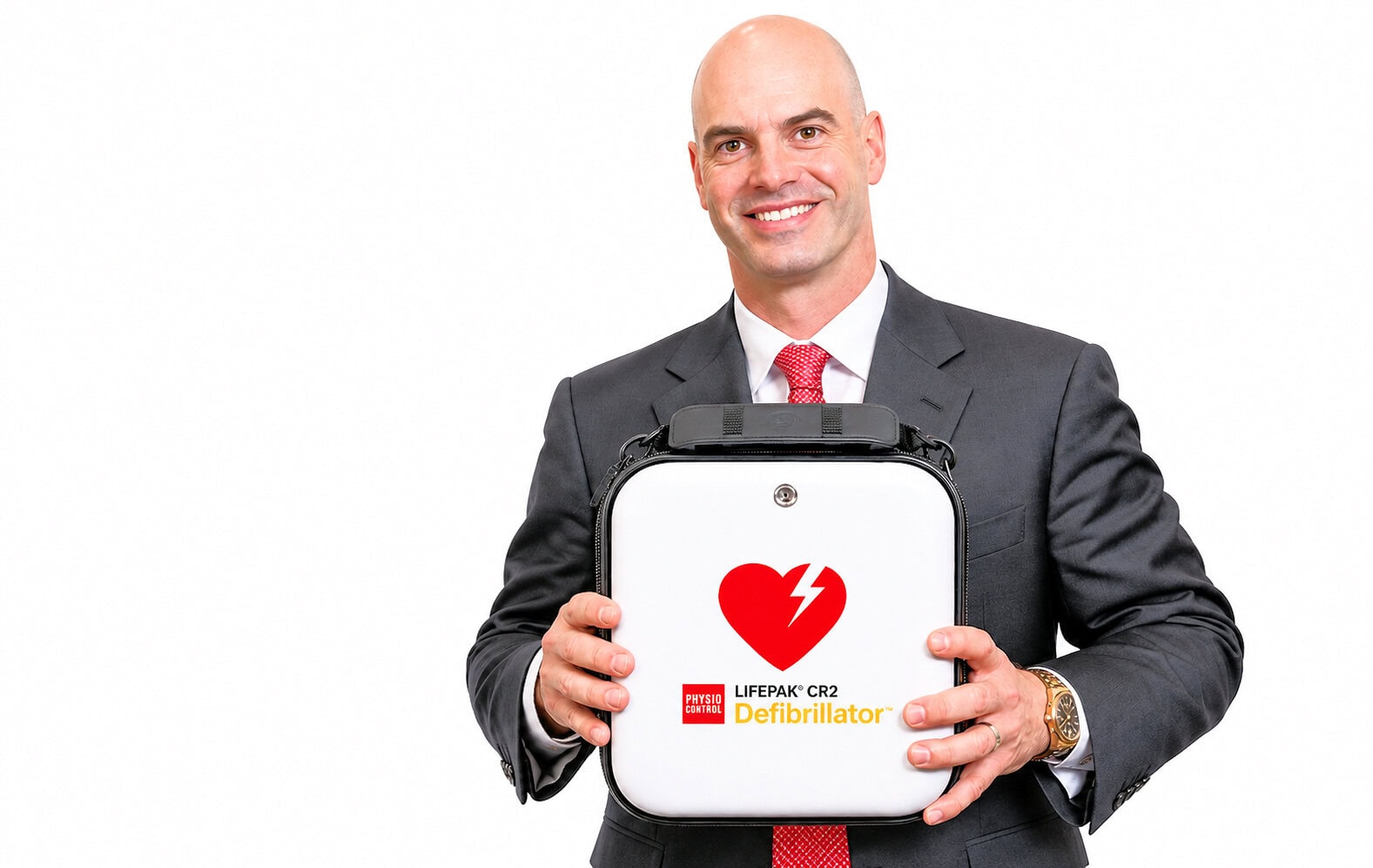
Walter Panzirer learned what a minute is worth in the back of an ambulance.
As a paramedic in California’s Bay Area, and later as a firefighter and police officer in small South Dakota towns, he worked the calls where everything depended on what the responders carried and how far away the nearest well-equipped hospital was.
Cardiac arrests, strokes, and a child struggling to breathe: in each one, the gap between help arriving and help arriving too late often came down to equipment and distance.
That experience shaped the philanthropist he became.
When his grandmother, Leona Helmsley, died, Panzirer was surprised to learn she had named him a trustee of the Leona M. and Harry B. Helmsley Charitable Trust.
He came to the role with a first responder’s instincts and a simple belief he still repeats: your ZIP code should not decide your health outcomes.
Under his influence, the Trust built one of the country’s most ambitious rural health programs, putting modern defibrillators in patrol cars, bringing telemedicine to remote hospitals, and making sure no one in the upper Midwest had to drive half a day for a mammogram.
Now that same conviction is reaching across an ocean. On World Pneumonia Day, Helmsley committed $18.3 million to the global health organization CHAI to bring reliable medical oxygen within reach of an estimated 64 million people in Ethiopia and Ghana.
Most people never think about oxygen in a hospital. It is always there, piped into the wall. But across much of sub-Saharan Africa, it may come by truck in heavy cylinders from hundreds of miles away, if it comes at all.
For a newborn in distress, a mother after a difficult delivery, a surgical patient, or a child with pneumonia, that delay can be fatal.
“Medical oxygen is one of the most essential tools we have for treating lower respiratory infections, the dominant cause of deaths across most sub-Saharan African countries,” Panzirer said.
“We are investing to strengthen and expand the medical oxygen ecosystems in Ethiopia and Ghana so that this lifesaving product will be available to everyone who needs it.”
The gift builds on work that is already succeeding.
In Ethiopia, earlier Helmsley support, together with other donors, connected 888 health facilities to 23 oxygen plants.
Over three years, the share of those facilities able to provide oxygen therapy rose from 59 percent to 100 percent, and the share of oxygen-starved patients who actually received it climbed from 79 percent to 99 percent.
A new $8.9 million grant will extend the network to more than 1,200 facilities served by 61 plants, covering nearly half of Ethiopia’s public health facilities and an estimated 60 million people.
In Ghana, $9.4 million will take those lessons to four of the country’s hardest-to-reach regions, Bono, Bono East, Oti and Savannah, where many clinics have no oxygen production of their own.
The approach is practical.
A hospital with its own oxygen plant serves as a hub, supplying the smaller clinics around it, which shortens supply routes and lowers costs.
Some 270 facilities and an estimated four million people stand to benefit.
What would appeal to a former paramedic is that the plan covers the whole system.
Zach Katz, who leads CHAI’s child health work, put it plainly: “Medical oxygen works only when every part of the system works: production, distribution, trained staff, maintenance, data, and financing.”
The grants are built so each country’s own health ministry owns and sustains the networks once the funding ends, with revenue retention in Ethiopia and cost recovery at Ghana’s hub hospitals keeping the oxygen flowing.
The gift adds to more than $456 million. Helmsley has committed to children and families in remote communities across sub-Saharan Africa, part of more than $4.9 billion in total giving since the Trust began active grantmaking in 2008.
Panzirer still lives in rural South Dakota, where he and his family run a hunting lodge, and he still talks about philanthropy the way a first responder would: find the gap, close it, and make sure the fix lasts.
In a clinic in Savannah or a district hospital in Ethiopia, that will mean a nurse reaching for oxygen and finding it there.