$25 million from Carolyn Perot Rathjen and the Perot Foundation moves Dallas closer to Harold Simmons Park
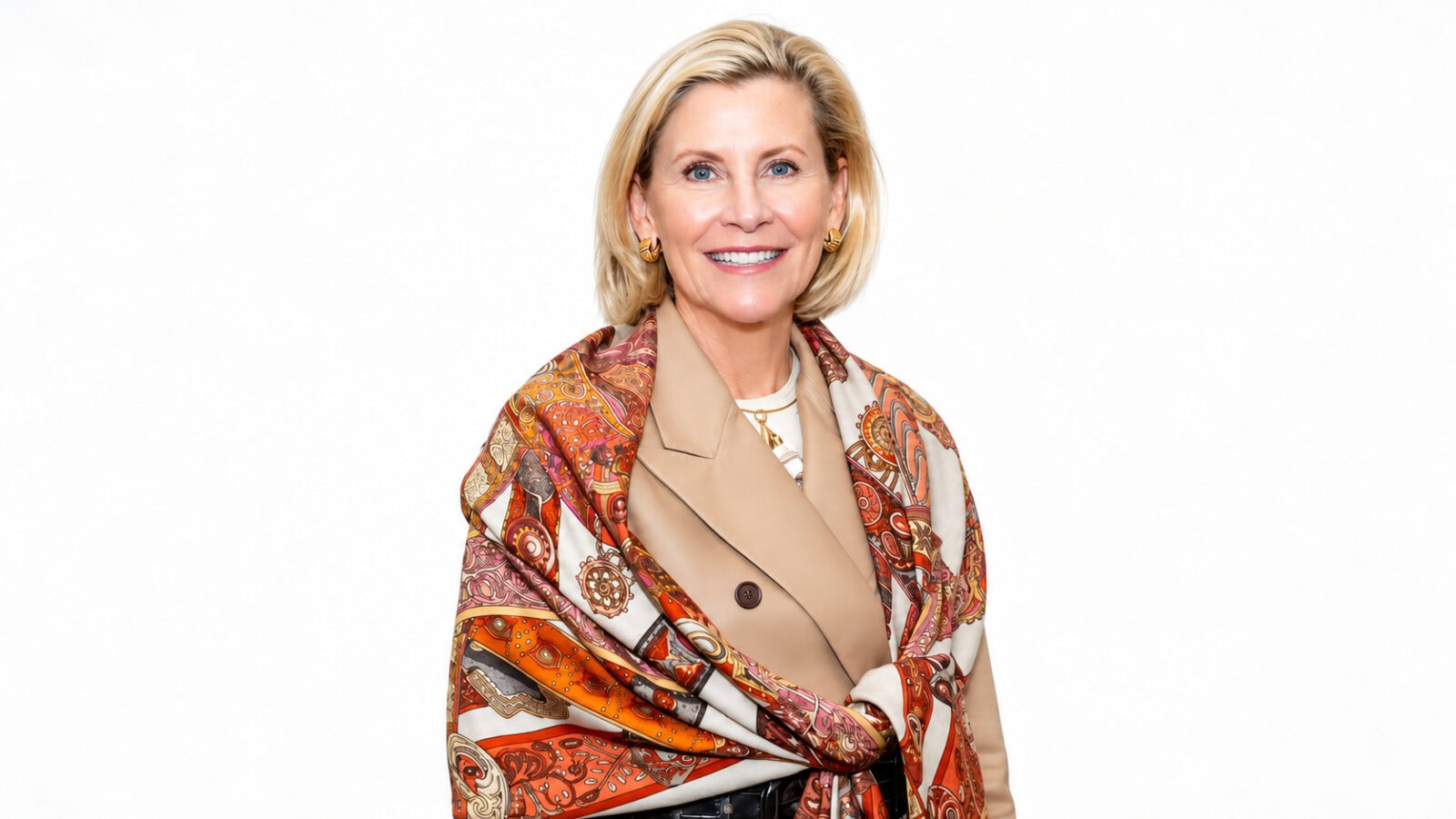
Carolyn Perot Rathjen’s family has a long habit of betting on Dallas before the payoff is obvious.
Her father, Ross Perot, built EDS and Perot Systems here. Her mother, Margot, spent decades leading the city’s civic and charitable life. The Perot name is on a museum, a symphony hall legacy, a medical campus, and countless scholarships.
This week the family made a new bet on a floodplain.
Trinity Park Conservancy has announced a $25 million gift from The Perot Foundation to help build Harold Simmons Park, the planned 250-acre public green space along the Trinity River. Rathjen, the foundation’s vice president and executive director, described the gift as a family conviction coming due.
“Dallas has always grown because people were willing to see opportunity before it was obvious,” she said. “My family and I believed early on that connecting across the Trinity River would strengthen Dallas, bring people together, and support long-term growth. Harold Simmons Park represents the next step in bringing our city closer together. We hope this gift inspires others to join us in bringing this vision to life.”
That last sentence is the point. Rathjen doesn’t often speak publicly, and when she does, it is usually to push others to give too. When the foundation gave $15 million to United Way of Metropolitan Dallas on Giving Tuesday in 2022, the largest single gift in that organization’s 98-year history, she used nearly the same words: the family hoped it would inspire others. T
he Perots have long given this way. They make the large, early commitment that helps an institution raise the next round.
Harold Simmons Park needs that help. The first piece to be built is the West Overlook, 22 acres on the west side of the river, beyond the levees. The Conservancy now estimates it will cost $341 million, and it has raised about $200 million.
Utilities and infrastructure there are nearly finished, according to the Conservancy. The first 12 acres are expected to open in late 2028. Earlier public descriptions put the cost of the whole park at about $325 million, so the new figure for the West Overlook alone shows how much more ambitious and more expensive the first phase has become.
What that money buys is easy to picture. The centerpiece is a 1,000-foot former industrial fabrication shed being turned into a covered gathering place. Beside it are a 40,000-square-foot event lawn built for concerts and festivals, a skate and bike park of nearly an acre, a picnic grove with community tables and charcoal grills for family reunions, and a “Water Factory” of pipes and towers where children can cool off in the Texas heat.
A land bridge will carry visitors over Beckley Avenue to an overlook lawn above the levee, with views of the skyline and the river. Designers expect it to become one of the city’s most photographed spots. Nearly 2,000 mature trees are planned. Water running through the play areas will be captured in an underground cistern and reused to irrigate the grounds.
The design comes from Michael Van Valkenburgh Associates, the landscape firm behind Brooklyn Bridge Park in New York, Maggie Daley Park in Chicago, and Gathering Place in Tulsa, working with the architects Lake Flato. The playground towers are being built in Germany by Richter Spielgeräte.
The Perot gift also joins a family story that began a decade ago. In 2016, Annette Simmons gave $50 million to create a park along the Trinity in honor of her late husband, the industrialist Harold Simmons. At the time it was described as the largest single private gift for a public-private partnership benefiting the city, and it gave the park its name.
The Perot and Simmons families have given alongside each other in Dallas before. Between 1987 and 1996, both family foundations were among the donors of $25 million or more to UT Southwestern. Now two of the city’s best-known philanthropic families are behind the same stretch of riverbank.
The timing matters for the Conservancy too. The organization is under interim leadership: longtime chief operating officer Brian Kilpatrick became interim president and CEO this summer, succeeding Tony Moore, who spent five years moving the project from drawings to groundbreaking.
A $25 million gift in the middle of a leadership transition tells other donors the project is still worth backing. Since roughly $141 million is still needed for the West Overlook, that signal may count as much as the money.
The park has also forced Dallas to deal with the tensions that come with big civic projects. West Dallas has already felt the pressure of downtown growth spilling across the river, and residents have raised concerns about rising property taxes and displacement.
The Conservancy has said it is working with local groups on property-tax education, homeownership counseling, and tax-protest help, including seminars with UNT Dallas. That context gives Rathjen’s words about “bringing our city closer together” a deeper meaning. Whether the park unites the neighborhoods on each side of the Trinity will depend on more than design.
Rathjen’s own giving has mostly been local, practical, and quiet. Besides running the Perot Foundation, she is a director of Petrus Trust Company and serves as a volunteer or board member for a wide range of Dallas nonprofits.
When her father celebrated his 89th birthday in 2019, the last before his death, the family dinner was at her home. She is one of five children who have kept Ross and Margot Perot’s giving going: in health care at UT Southwestern, in basic needs through United Way, in scholarships for the children of Army soldiers, and now in public space.
For decades the Trinity River was the line Dallas built around, not toward. It was a flood channel between downtown and the neighborhoods to the west, and debates over what it should become outlasted mayors and bond elections.
The Calatrava-designed Margaret Hunt Hill Bridge, which opened in 2012, gave the city a landmark across that line. Harold Simmons Park is meant to give people a reason to stay there.
With the Perot Foundation’s $25 million, a family that has spent generations seeing opportunity early is betting that Dallas will soon gather at the river.