
$25 million from Kim Duchossois and family names First Hope Lodge for her parents
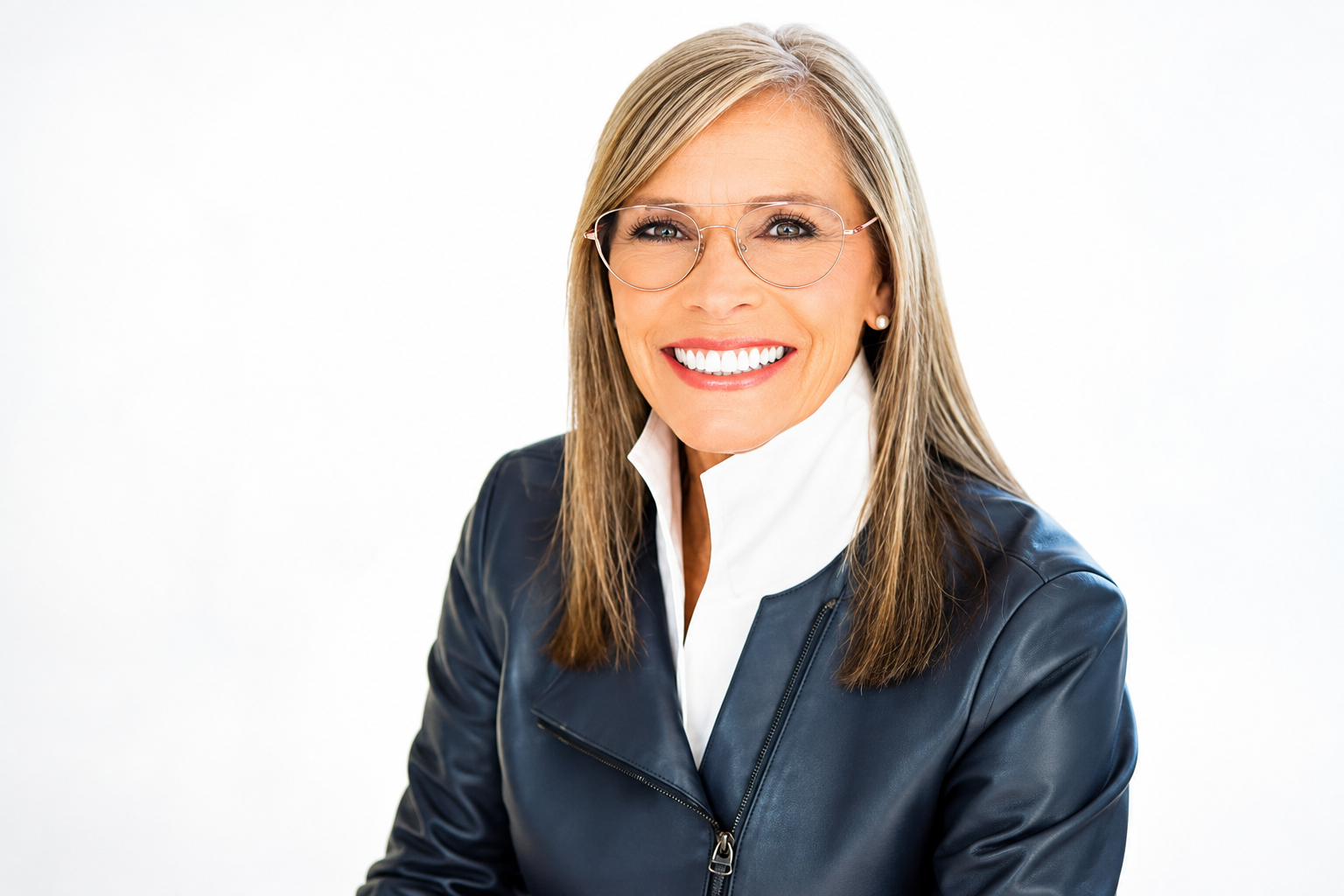
When Kim Duchossois talks about cancer, she talks about her family first.
Her mother, Beverly Thrall Duchossois, died of the disease in 1980 at 57.
Her father, Richard “Dick” Duchossois, faced cancer late in his life and lived to 100. More than four decades after her mother’s death, Duchossois is making the largest gift yet to a project she has wanted for her city for nearly 20 years.
The American Cancer Society said this week that Duchossois and her family have given $25 million toward the future Beverly and Richard Duchossois Hope Lodge in Chicago.
The facility will give cancer patients and their caregivers a free place to stay while they travel to the city for treatment.
The naming gift is the campaign’s largest commitment, and it brings the society much closer to its goal of about $82 million.
“We lost my mother to cancer at just 57,” Duchossois said.
“Though my father faced cancer later in life, he thankfully managed to reach his 100th birthday. It is an immense privilege to honor them both in this significant way.”
The gift began with a trip she took years ago. Nearly two decades back, Duchossois and a small group of Chicago-area supporters of the society visited several Hope Lodges in other cities. They came home imagining one in Chicago.
“It is extremely gratifying to see this dream finally coming to fruition,” she said, “and to witness the meaningful partnerships forged in order to better care for and accommodate cancer patients and their caregivers.”
She also asked others to join in, noting that Chicago is home to “world renown comprehensive cancer centers” and should have a place for the people who come to use them.
For the Duchossois family, supporting cancer care has always been personal. Beverly Duchossois was treated at what was then called the University of Chicago Hospital. In 1980, the year she died, Dick Duchossois set up the Beverly E. Duchossois Cancer Fund at the university in her memory.
In 1984, the family founded The Duchossois Family Foundation in her honor and named Kim as its president. For its first 30 years, it focused on funding cancer research and patient services.
Kim led the foundation for more than three decades.
Over the years, the family’s giving to the University of Chicago grew into cancer laboratories, a professorship named for the doctor who treated Beverly, and, in 2017, a $100 million gift from her brother Craig and his wife, Janet, that created The Duchossois Family Institute.
Kim Duchossois has also been one of the American Cancer Society’s most dedicated volunteers. She and her brother Craig, along with other family members, held leadership roles in the society’s Illinois Division and helped raise millions of dollars beyond their own giving. In 2011, the Society of Surgical Oncology gave her its James Ewing Layman’s Award for her work to improve care for cancer patients.
She lives in Barrington Hills and first trained as a speech and language pathologist before raising three children and turning to community and volunteer work. She now supports causes through Three Oaks Collective, a philanthropic effort built on what she calls “human thriving through genuine relationship across differences.”
The lodge’s two namesakes are well known in Chicago. Dick Duchossois was a World War II veteran and industrialist who founded The Duchossois Group. He became a leading figure in horse racing and rebuilt Arlington Park after a fire destroyed it in 1985.
He died in January 2022 at 100. Beverly, his high school sweetheart, was the mother of their four children, and Arlington’s Beverly D. Stakes was named for her. Putting both names on a building for cancer patients connects the family’s public life with the loss that shaped its giving.
There is also a geographic link. The lodge will be built in Hyde Park at 5700 South Stony Island Avenue, on land provided by the University of Chicago Medicine under a long-term lease. That is the same medical center where Beverly Duchossois was treated more than 45 years ago. UChicago Medicine is also giving $5 million.
With support from Rush University System for Health, those commitments reached more than $10 million before the Duchossois gift was announced.
The need is real. Chicago draws cancer patients from across Illinois, the Midwest, and beyond, many of them seeking specialized care or clinical trials not available near home. It is also one of the most expensive U.S. cities for lodging, with hotel rates averaging about $320 a night.
For someone in weeks of radiation or chemotherapy, hotel bills alone can be enough to delay or skip treatment. The American Cancer Society says a Hope Lodge can be the difference between getting care and going without.
“This extraordinary gift from Kim Duchossois and her family is a significant milestone for Hope Lodge Chicago,” said Shane Jacobson, the society’s chief executive. “Her generosity sends a powerful message to every family facing cancer: you do not have to face this journey alone.”
Once finished, the lodge will provide thousands of free nights each year. Guests will have private rooms, plus shared kitchens and lounges where people going through similar treatment can support each other.
The plans also include a wellness hub through the society’s Empower program, open to both lodge guests and cancer patients in the neighborhood. It will offer help with nutrition, exercise, stress management, and social connection to support people through treatment and into survivorship.
Chicago’s lodge will join 31 Hope Lodge communities across the U.S. and Puerto Rico. Together they house more than 36,000 patients and caregivers each year for free and save them more than $85 million in lodging costs. Chicago’s absence from that network has long stood out given its role as a major medical center.
Duchossois says Chicago’s lodge will stand for “the importance of having this invaluable resource in our own city.” It will also stand for a mother who died too young and a father who lived to 100, in a building for families who, like hers, have to fit cancer treatment into their lives.