$23 million gift to museum from philanthropists Jennifer (Jen) Rubio and Stewart Butterfield will endow the institution’s internship program in perpetuity and further cement the couple’s growing influence in the cultural world
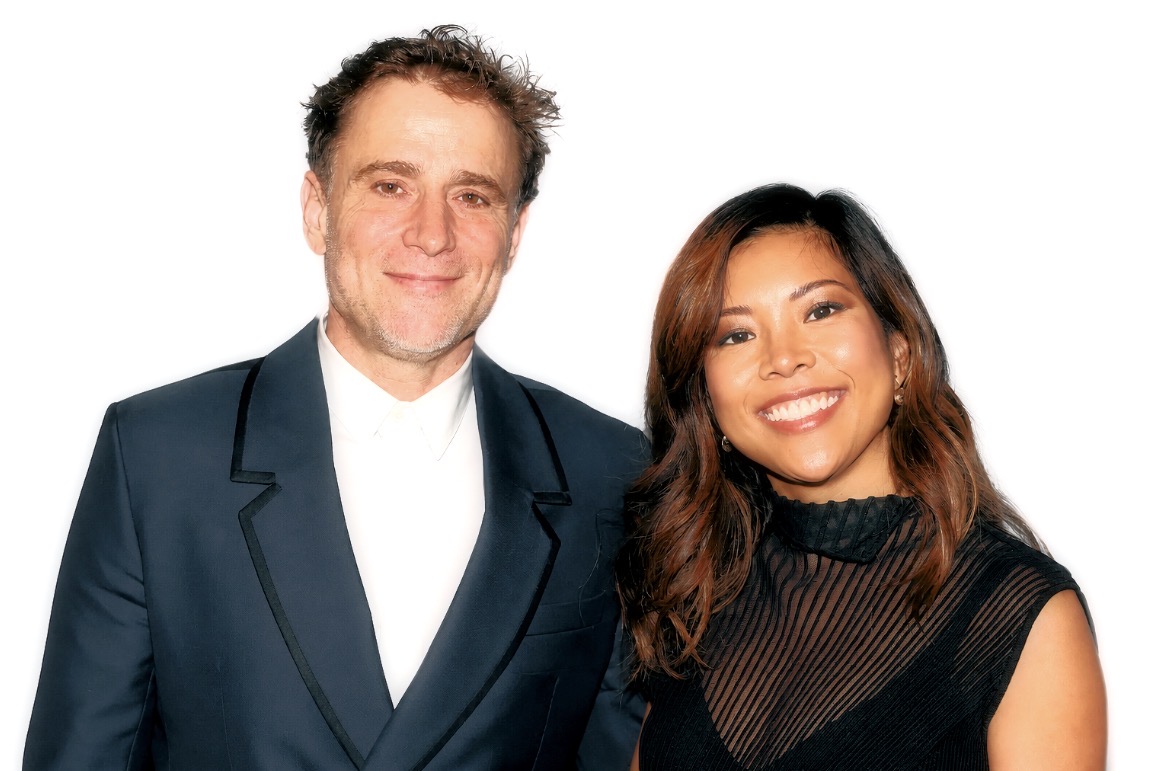
Ascendant tech-and-design philanthropists Jennifer (Jen) Rubio and Stewart Butterfield have pledged more than $23 million to the Metropolitan Museum of Art in New York, a landmark commitment that will endow the museum’s internship program in perpetuity and further cement the couple’s growing influence in the cultural world.
The gift comes through the couple’s Rubio Butterfield Foundation and arrives just weeks after Rubio, co‑founder of the travel brand Away, joined the Met’s board as a trustee. Butterfield, best known as the co‑founder of Flickr and Slack, already holds board roles at the Whitney Museum of American Art and the Dia Art Foundation, and together the pair have been listed among the art world’s Top 200 Collectors since 2022.
Their move from San Francisco to New York with their children in 2022 signaled a pivot toward deeper engagement with East Coast institutions; this Met pledge confirms their intention to operate as serious, long‑horizon patrons of the arts ecosystem rather than occasional donors.
At the center of the commitment is a sweeping endowment for the Met’s long‑running internship program, which places undergraduate and graduate students across roughly 40 departments, from curatorial and conservation to digital, education, and visitor engagement.
Since 2021, the Met has offered more than 100 fully paid internships each year, positioning itself as the largest art museum in the United States to guarantee 100 percent paid placements. That shift was initially fueled in part by a $5 million gift from philanthropist Adrienne Arsht; the Rubio‑Butterfield endowment now allows the museum not only to lock in this standard but to expand access in perpetuity, insulating the program from the volatility of annual fundraising cycles and operating budgets.
The pledge is structured so that investment income from the endowed funds will underwrite the internships indefinitely, essentially converting what had been a patchwork of temporary funding sources into a permanent pipeline for early‑career talent.
In recognition of the scale and intent of the gift, the Met will rename its college and university internship program after Rubio and Butterfield starting in September 2026, giving the couple enduring visibility in the institution’s educational footprint rather than on a gallery wall or building façade.
This naming choice reflects the donors’ focus on access, opportunity, and workforce development rather than on more conventional capital or acquisitions projects.
For the Met’s leadership, the gift arrives at a moment when museums nationwide are rethinking how they cultivate the next generation of arts professionals and address long‑standing barriers to entry in the field.
In statements announcing the pledge, Max Hollein, the Met’s Marina Kellen French Director and Chief Executive Officer, framed the endowment as a structural investment in the future of the institution as well as the broader arts ecosystem, emphasizing that it will support “a continuous pipeline for new voices and innovative ideas to enter the field.”
By guaranteeing that internships are not only paid but stable over time, the museum signals that it views early‑career diversity and inclusion as core to its mission rather than an optional add‑on vulnerable to budget cuts.
Rubio, whose Away brand helped redefine the aesthetics and marketing of travel goods, has spoken publicly about how unpaid internships once served as informal gatekeepers to coveted creative and cultural careers, often excluding students without the financial resources to work without pay in expensive cities.
Her philanthropic focus at the Met follows that logic: instead of underwriting a single gallery, she and Butterfield have opted to underwrite a decade‑spanning entry point to the arts for hundreds of students each year, many of whom might otherwise have been shut out.
“Stewart and I are proud to support The Met in making that entry point more equitable, ensuring that emerging voices, perspectives, and expertise help define the future of the Museum and the broader cultural landscape,” Rubio said in connection with the gift, casting the endowment as both an economic intervention and a bet on intellectual renewal.
Though internships are the headline, the pledge reaches beyond staffing pipelines. In addition to the endowment, the Rubio Butterfield Foundation has committed further support to the Met’s long‑planned Tang Wing, the new modern and contemporary art wing slated to open in 2030.
That component of the gift allies the couple with one of the museum’s most ambitious capital projects, which is intended to reframe the Met’s presentation of 20th‑ and 21st‑century art and to compete more aggressively with peers like MoMA and the Whitney in that space. By tying support for infrastructure to support for internships, Rubio and Butterfield link the museum’s future physical shape to the people who will interpret, program, and animate it for audiences.
Within the wider philanthropic landscape, the $23 million Met pledge is consistent with the couple’s broader pattern of giving, which extends into health, education, and social justice initiatives.
Their gifts often intersect with issues of access and systemic equity, suggesting a belief that philanthropy should not merely preserve existing institutions but make them more porous and responsive to communities historically kept at arm’s length. In this sense, underwriting paid internships at one of the world’s most influential museums can be read as a strategic use of their wealth and visibility to help reconfigure the very mechanisms by which cultural authority is produced and transmitted.
For students, the immediate impact of the gift will be concrete: the ability to spend a semester or summer immersed in the Met’s collections, research, and operations without taking on debt or juggling multiple jobs to compensate for unpaid work.
For the Met, the long‑term effects may be subtler but no less significant, as alumni of the Rubin Butterfield–named program disperse into museums, galleries, auction houses, and cultural nonprofits around the world, carrying with them both the imprimatur of the Met and the expectation that serious arts institutions can and should pay their interns.
And for Rubio and Butterfield, the gift confirms their status not just as high‑profile tech and design entrepreneurs but as ascendant philanthropists whose influence will be felt in the careers and curatorial choices of a generation that has not yet set foot in the museum’s storied Great Hall.