
$50 million Byrne family campaign galvanizes donors and doctors behind rural healthcare powerhouse
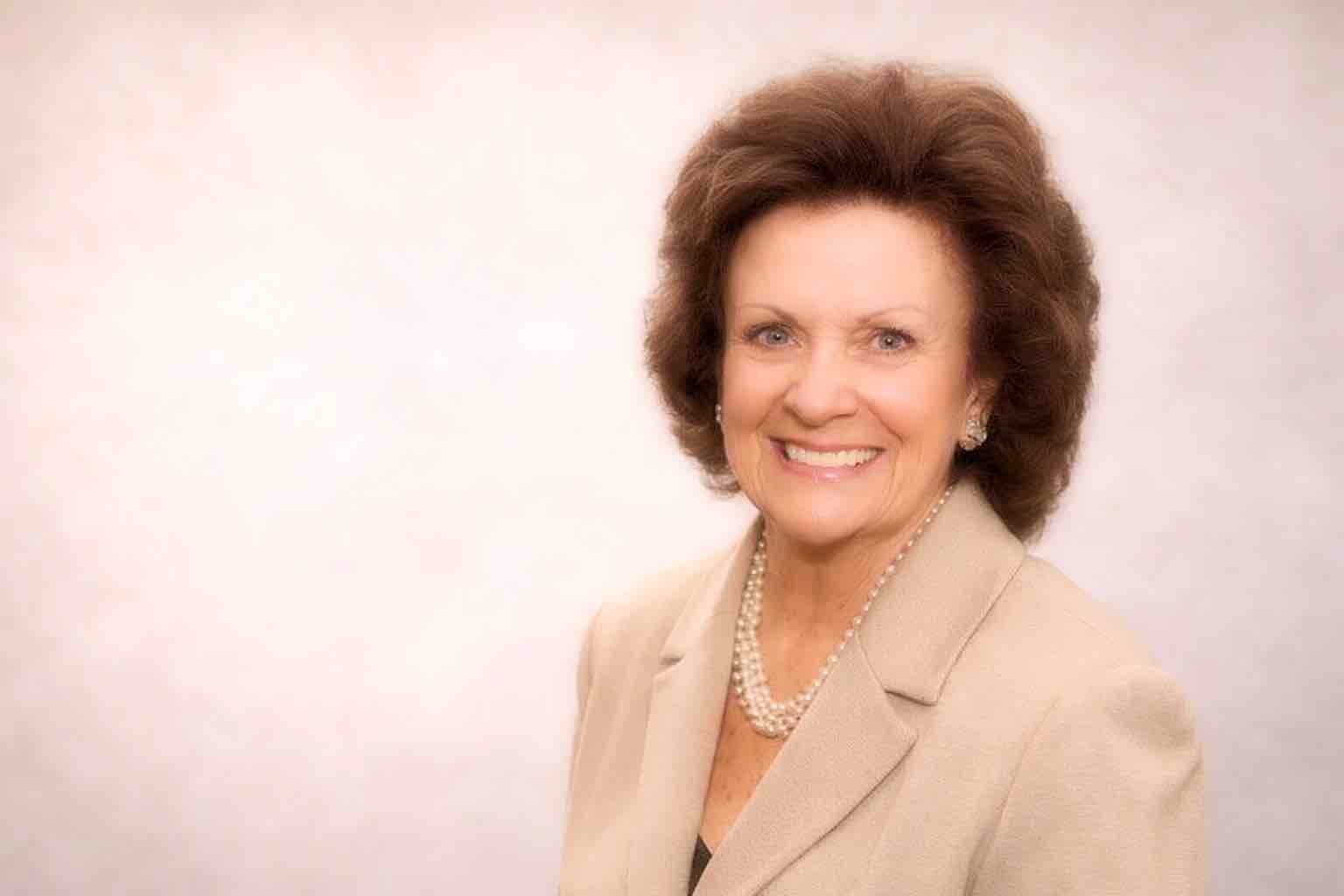
Dartmouth and Dartmouth Health have completed a $50 million campaign for the Byrne Family Cancer Research Institute at Dartmouth Cancer Center, a milestone driven by the leadership and conviction of longtime benefactor Dorothy Byrne and a close-knit group of philanthropic and scientific champions.
The effort began with Byrne’s $25 million lead commitment through the Jack and Dorothy Byrne Foundation, a challenge to Dartmouth’s community to prove that a rural academic medical center could shape the global future of cancer science and care.
A discreet but forceful presence in New England philanthropy, Byrne has spent decades backing Dartmouth’s cancer programs—from underwriting The Prouty with annual matching dollars to creating the Jack Byrne Center for Palliative and Hospice Care—and she made clear that this latest investment was meant to galvanize others.
More than 105 families and foundations answered that call, converting her initial bet into a $50 million pool for research, clinical innovation, and talent.
The campaign also elevated a new cadre of major donors. Barbara and Dick Couch, a Dartmouth and Thayer alumnus couple, made a defining leadership gift to recruit and retain cancer clinician‑scientists from groups underrepresented in medicine, creating the most significant diversity‑focused commitment in the history of Dartmouth Cancer Center and Dartmouth Health.
Eileen and James Savarese, both Class of 1988, directed their philanthropy toward brain cancer research, innovation funding, and an endowed professorship to secure long-term leadership in a particularly urgent field.
Collectively, these and other commitments have steered $13.84 million toward researcher recruitment and training, $6.28 million toward new tools and technologies, $4.38 million toward expanded clinical trials, and $2.78 million toward advancing new therapies to patients.
Institutional leaders argue that the personalities—and the risks they were willing to take—mattered as much as the dollars. Dartmouth President Sian Leah Beilock has framed the Byrne Institute as a test of whether a leading university can truly address the distinct cancer burden of rural communities, praising donors who were willing to back a future‑focused vision for a comprehensive cancer center far from a major city.
Surgeon‑scientist Steven Leach, former director of Dartmouth Cancer Center and now interim dean of the Geisel School of Medicine, positions the institute as both a scientific engine and a philanthropic magnet, noting that it was explicitly designed “to inspire and attract philanthropy for cancer research”—a mandate he now describes as fulfilled “with enormous success.”
On the clinical front, interim Dartmouth Cancer Center director Konstantin Dragnev has become a central figure in converting philanthropic capital into patient benefit.
A veteran oncologist and translational researcher, he reports a seven‑fold increase in the number of patients able to enroll in clinical trials since the institute’s launch, crediting Byrne and her fellow donors with making more potentially life‑saving studies available across northern New England. Dragnev argues that this expansion in trial access is not only improving outcomes locally but also generating insights that ripple across the cancer field.
The institute’s design has empowered faculty innovators such as oncologist Parth Shah, director of genome informatics, who points to the freedom to take calculated risks—funding investigator‑initiated trials and sophisticated research cores—as central to the institute’s value.
Philanthropic dollars have been concentrated in three high‑impact arenas: a dedicated immunotherapy program recently boosted by a fresh $1 million; a precision prevention initiative uncovering links between regional PFAS “forever chemical” exposure and kidney cancer; and a cancer innovation accelerator that has produced 10 start‑ups, six licenses, and more than $17 million in follow‑on funding to push discoveries toward the market.
In each case, backers have effectively underwritten the risk that traditional funding sources often avoid.
Dartmouth Health president and CEO Joanne M. Conroy has been one of the initiative’s most visible institutional champions, linking the institute’s character to the character of its supporters.
She describes the Byrne Family Cancer Research Institute as a vehicle that “has united scientists, clinicians, and learners in the pursuit of breakthroughs that improve care and outcomes for patients in northern New England,” and credits “steadfast supporters” with giving Dartmouth Health the agility to direct funds where they matter most and to back “bold ideas and outside‑the‑box thinking.”
Conroy also notes that the institute’s rise helped secure the renewal of Dartmouth Cancer Center’s National Cancer Institute comprehensive designation, a signal that its blend of philanthropy, science, and clinical care meets national standards.
Behind the scenes, the Byrne Institute has become a proving ground for Dartmouth’s “One Dartmouth” agenda.
Leach and his colleagues have used flexible philanthropic capital to bind together Geisel, the School of Arts and Sciences, the Tuck School of Business, Thayer School of Engineering, the Guarini School of Graduate and Advanced Studies, and entrepreneurial and policy hubs such as the Magnuson Center for Entrepreneurship and The Dartmouth Institute for Health Policy and Clinical Practice.
Funds can move quickly—to green‑light an investigator‑led trial, secure a rising physician‑scientist, or seed early‑stage lab work that would otherwise stall—because donors insisted that their partnership operate at the speed of ideas, not bureaucracy.
For Byrne and the circle of families now associated with the institute, the closing of the $50 million campaign marks an inflection point, not an exit.
The Jack and Dorothy Byrne Foundation continues to match gifts raised through The Prouty, drawing new supporters into the orbit of major cancer philanthropy, while alumni and regional benefactors who once focused only on annual events are now committing to long‑range research strategies.
With nearly $110 million in external research grants flowing into Dartmouth Cancer Center—among them major awards for colon cancer diagnostics and new prostate cancer imaging techniques—leaders say the early, conviction‑driven bets made by Byrne, the Couches, the Savareses, and others have already been leveraged into far larger streams of public and competitive funding.
“In just a few short years, the Byrne Family Cancer Research Institute has united scientists, clinicians, and learners in the pursuit of breakthroughs that improve care and outcomes for patients in northern New England,” Conroy said, casting the milestone as a launchpad for what comes next.
For Dorothy Byrne and her fellow philanthropists and partners, the $50 million goal was never simply a fundraising target; it was a proof‑of‑concept that a rural comprehensive cancer center, backed by committed individuals willing to take real risks, could redefine what is possible for the patients who are staking their futures on it.
Photo: Philanthropist Dorothy Bryne (undated)