$15 million gift from philanthropist Joan P. Brock creates a multidisciplinary hub, integrating nutrition, lifestyle medicine, research, and community health
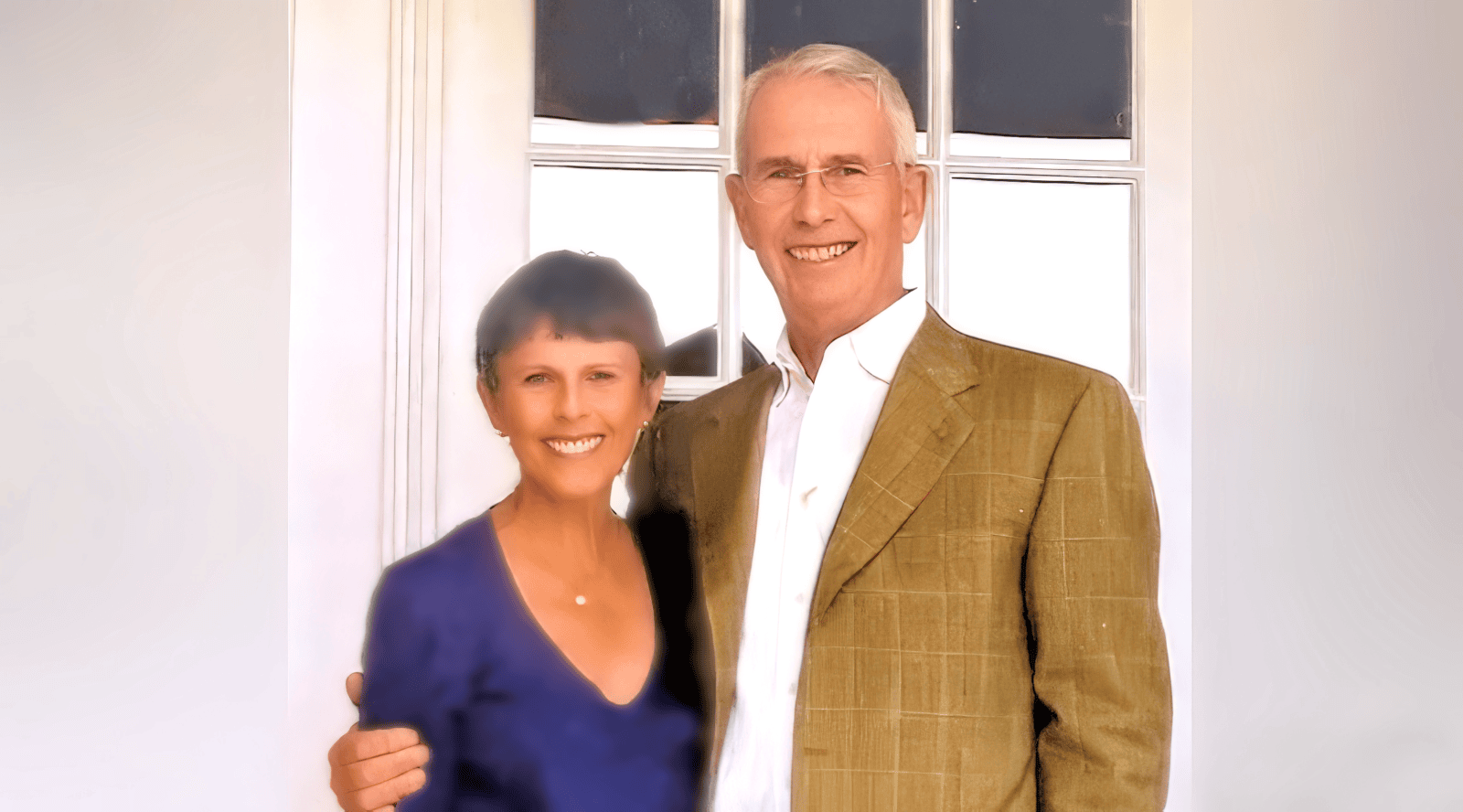
Old Dominion University has announced the creation of the Joan P. Brock Institute for Nutrition Science and Health, a transformative initiative that promises to reimagine how medicine is taught and practiced in Hampton Roads and across the nation.
Fueled by a $15 million gift from philanthropist Joan P. Brock, the new institute will serve as a multidisciplinary hub integrating nutrition, lifestyle medicine, research, and community health across Old Dominion’s academic, clinical, and outreach arms of its rapidly expanding health sciences enterprise.
For Brock, this gift is deeply personal. Having faced serious and life-threatening illnesses herself, she credits rigorous attention to nutrition and daily exercise — along with conventional medical treatments — for restoring her health.
This personal journey now forms the heart of her latest philanthropic investment. “I am thrilled to be part of this because I’ve been practicing this for 15 years now,” Brock said.
“I hope the institute makes a difference in people’s lives — just watch how our healthcare changes as a result and how our bodies change, how our lives are extended, and the quality of our lives improves.”
Old Dominion University President Brian O. Hemphill, Ph.D., praised Brock’s generosity as visionary. “Through the Joan P. Brock Institute for Nutrition Science and Health, Old Dominion University will lead the nation in reimagining how medicine is taught by integrating nutrition as a foundational element and driving force of whole-person care and well-being,” he said.
“The generosity of Joan Brock continues to enable and better position our faculty and researchers to change the culture of healthcare with our students through clinical practice and in the communities they serve.”
The new institute marks the second significant gift from Brock in as many years to advance health and wellness education in Virginia.
It follows the 2024 launch of the Macon & Joan Brock Virginia Health Sciences at Old Dominion University—created after the University integrated Eastern Virginia Medical School.
Together, these initiatives position Old Dominion as a leading academic health center focused on prevention, community engagement, and the integration of evidence-based nutrition into medical practice.
The Joan P. Brock Institute will anchor Old Dominion’s efforts to transform the health and wellness of Coastal Virginia’s residents, addressing some of the region’s most pressing health disparities.
Hampton Roads struggles with disproportionately high rates of chronic illness, including elevated mortality from heart disease, diabetes, stroke, and certain cancers.
These conditions account for a staggering share of national health costs—90 percent of the $4.5 trillion annual U.S. healthcare expenditure — yet are largely preventable through improved nutrition and lifestyle habits.
Despite mounting evidence linking diet to disease prevention, most medical students nationwide receive fewer than 20 hours of nutrition education.
Brock’s gift aims to change that. Old Dominion’s new programs will equip tomorrow’s healthcare professionals to use nutrition not just to treat disease, but to prevent it.
The university’s forthcoming Master of Science in Nutrition program, set to enroll its first students in fall 2026, exemplifies this integration. Supported by a new metabolic kitchen, the program will allow students to analyze and prepare scientifically balanced meals while supporting both research and community outreach.
“Medical and health professions curricula will include nutrition to assist our future providers with the knowledge to use nutrition not only to treat but also to prevent illnesses,” said Dr. Alfred Abuhamad, executive vice president for Health Sciences at Old Dominion University.
“Through community initiatives, we seek to enhance nutritional literacy and behavioral change, further improving the health of our fellow community members.
Over time, we aim for the Joan P. Brock Institute for Nutrition Science and Health to play a significant role in the health of our communities and potentially to save countless lives.”
In its initial year, the institute will focus on appointing its executive director, embedding nutrition education within medical training, and laying the groundwork for community engagement and research.
Subsequent phases will include developing community-based initiatives, launching the metabolic kitchen, and exploring the establishment of a clinical practice dedicated to lifestyle medicine.
For Joan Brock, this endeavor represents not just an institutional investment but a lifelong philosophy — and a legacy. “I think we will inspire other medical schools to look at nutrition and see what we build here,” she said.
“We are teaching doctors to be doctors, but we are also teaching them to model what it means to be a person who is responsible for their own health. I think the institute is a dream come true.”
Brock’s philanthropy has long shaped both Old Dominion University and the wider Hampton Roads region. In addition to her pivotal role in establishing the Macon & Joan Brock Virginia Health Sciences Center, her support created the M. Foscue Brock Institute for Community and Global Health and, most recently, advanced the expansion of the University’s Barry Art Museum.
Collectively, her contributions exemplify a legacy that fuses art, education, health, and community betterment — all with a distinctly human touch.
Her sustained generosity, President Hemphill noted, reflects both vision and personal conviction.
“Her vision for the future of this region and the Commonwealth of Virginia is unmatched,” he said. “
She has courageously led and consistently given her time, talent, and treasure to ensure this region and its people continue to excel both now and well into the future. Old Dominion University is incredibly proud to ensure that we relentlessly pursue Joan’s passion in all facets of our mission and work.”
As the Joan P. Brock Institute for Nutrition Science and Health takes shape, its namesake’s influence extends far beyond philanthropy.
With this gift, Brock places nutrition—long overlooked in medical education—at the core of a new model for health, one that bridges science, compassion, and lived experience.
In doing so, she reinforces a legacy of leadership defined not only by generosity but by an unwavering belief in the power of knowledge to heal both individuals and communities.
Here’s a version of the piece rewritten in a magazine-style narrative tone—weaving in more descriptive detail, emotion, and thematic flow around Joan Brock’s life philosophy and legacy.