
$10 million gift to support youth mental health from Savage family
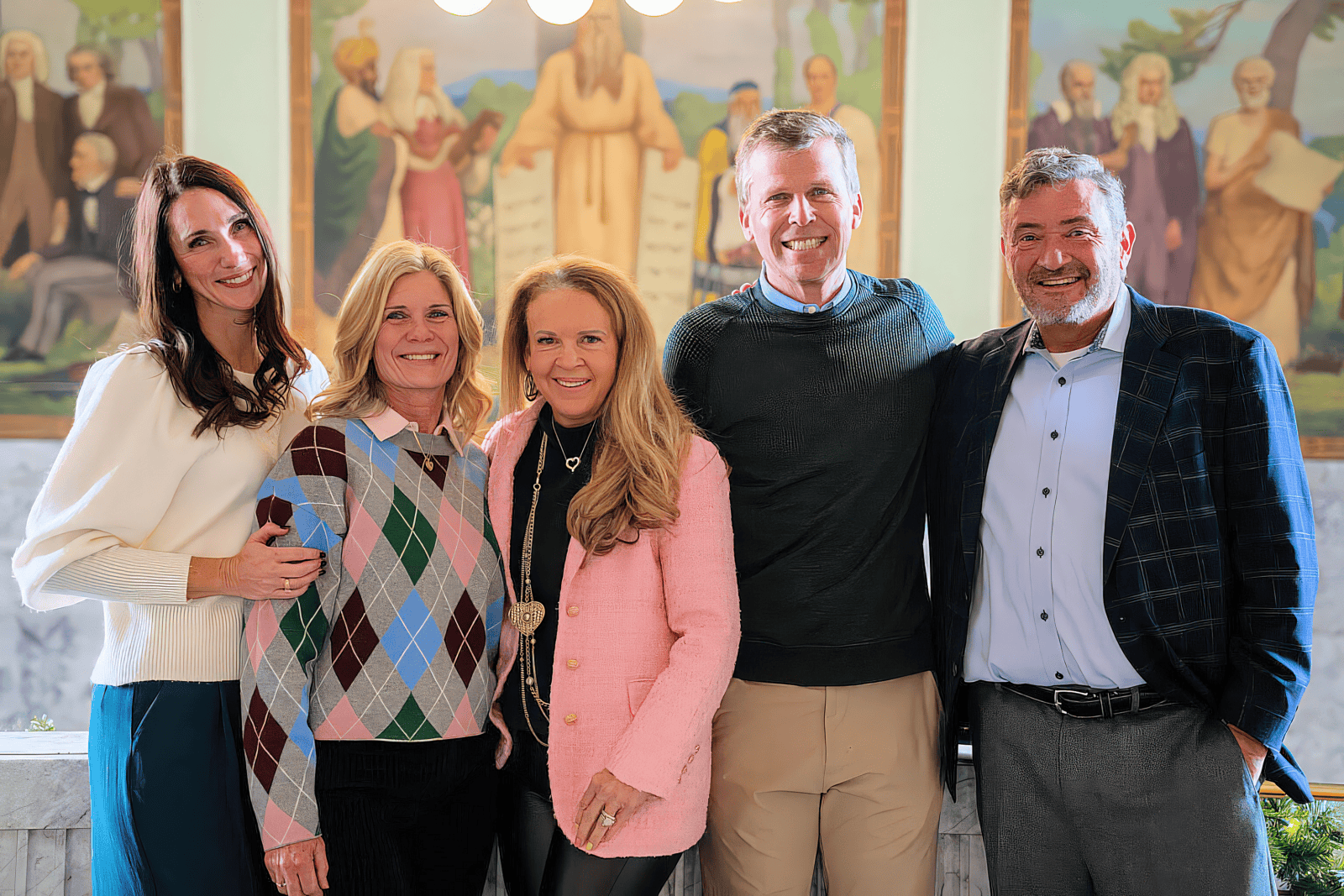
The legacy of Neal and Sherrie Savage, a Utah couple known for their generosity and quiet commitment to community, took on new life today as their children announced a transformative $10 million gift to support youth mental health across the state.
Siblings Gregg Savage, Melissa Layton, and Emilee Savage Wright confirmed that the donation, made on behalf of their late parents, will go to the Huntsman Mental Health Foundation to strengthen programs and services at the Huntsman Mental Health Institute at the University of Utah.
It is the most significant philanthropic contribution the family has ever made.
“For us, this is about helping as many young people in Utah as possible,” said Gregg Savage.
“We also hope the gift motivates the Utah legislature to match or exceed what our family is giving, because the need is great and the future of Utah’s children is worth every dollar.”
Neal and Sherrie Savage raised their family with a deep belief in giving back. Neal, an alumnus of the University of Utah, played basketball for the Runnin’ Utes and served as drum major of the marching band before co-founding the Savage family of companies.
Both he and Sherrie were active volunteers who looked for ways to strengthen their community at every stage of their lives. Their children say today’s gift is simply an extension of that spirit.
“Our parents left a legacy of generosity and giving,” Gregg added. “We hope to continue that legacy by helping the next generation face the mental health challenges that are affecting so many families in Utah. We appreciate the Huntsman family’s leadership in this work and the opportunity to partner with them.”
The donation comes at a time when youth mental health in Utah is at a crisis point. National data from the National Alliance on Mental Illness shows that one in six adolescents experiences a major depressive episode each year.
In Utah, that translates to roughly 62,000 children and teenagers. Another 44,000 young people in the state report serious suicidal thoughts annually, and suicide remains the leading cause of death for Utahns ages 10 to 17. For the Savage family, these numbers are not abstract. Gregg’s son, Ammon, has spoken publicly about his own mental health struggles in a recent documentary, and the family says this experience fueled their desire to ensure that more children have access to timely and effective care.
Their $10 million gift will allow the Huntsman Mental Health Institute to expand access to youth-focused treatment, crisis services, digital tools, and community resources. Institute and foundation leaders say details about how the funds will be allocated will be shared in the coming months, but the impact will be significant for families who often wait too long or struggle to find appropriate care.
At the signing of the gift documents, the Savage siblings were joined by University of Utah President Taylor Randall, Huntsman Mental Health Foundation CEO Christena Huntsman Durham, and University of Utah Health CEO Dr. Bob S. Carter.
The moment marked not just a significant philanthropic commitment but the coming together of two Utah families with a shared mission to improve mental health outcomes for young people.
“From one family to another, we want the Savages to know just how much their gift means to families in Utah who are desperate for more options when their children are struggling,” said Durham.
“Their support will help more of our youth get the help they need, and we are deeply grateful.”
Utah has become a national leader in addressing youth mental health challenges in large part because of the Huntsman Mental Health Institute’s work, including outpatient clinics, crisis intervention services, school-based support programs, and the widely used SafeUT app, which connects students, parents, and teachers to immediate help.
The Savage family’s donation will accelerate many of these efforts and help ensure that innovative approaches reach the young people who need them most.
As the Savage and Huntsman families stood together for photographs—children, spouses, and extended relatives gathered around—it was clear that this moment represented more than a financial gift.
It was a passing of a torch from one generation to the next, rooted in Neal and Sherrie’s lifelong belief in service, and grounded in the hope that no Utah family should face a child’s mental health crisis alone.